Observation Decks
Bali, Indonesia
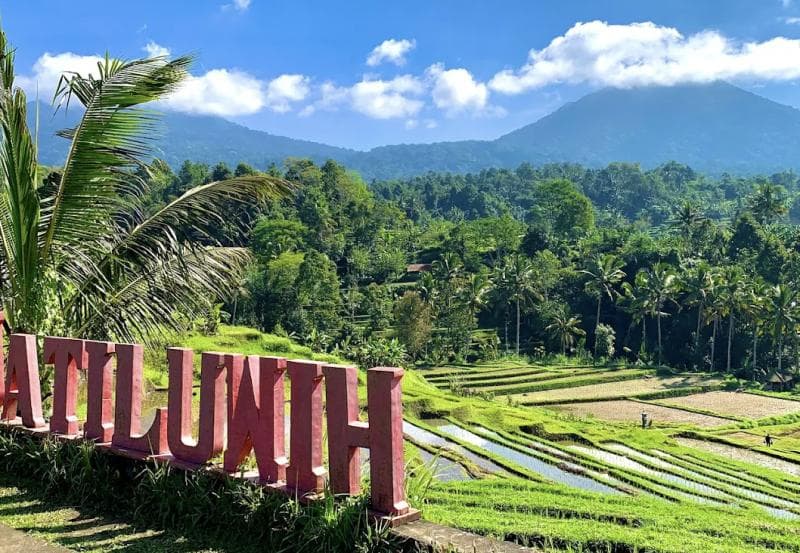
Discover the stunning Jatiluwih Rice Terraces in Bali, Indonesia – a UNESCO World Heritage site offering unparalleled panoramic views.
Overview
Nestled in the central highlands of Bali, Indonesia, the Jatiluwih Rice Terraces offer a truly magnificent spectacle of nature and human ingenuity. Recognized as a UNESCO World Heritage Site, this expansive landscape, covering over 600 hectares, presents a breathtaking canvas of emerald-green rice paddies cascading down the slopes of Mount Batukaru. While there isn't a single, designated 'Observation Deck' in the traditional sense, the entire area serves as a series of natural viewpoints, offering visitors unparalleled panoramic vistas at every turn. It is a place where one can truly observe the grandeur of Bali's agricultural heartland, far from the bustling tourist hubs, immersing oneself in an atmosphere of serene beauty.
History & Cultural Background
The history of the Jatiluwih Rice Terraces is deeply intertwined with Bali's ancient agricultural practices and profound spiritual philosophy. These terraces were meticulously carved and cultivated over 500 years ago by the Balinese people of the Tabanan regency. Their sustained existence and productivity are largely thanks to the 'Subak' irrigation system, a complex and cooperative water management network that dates back to the 9th century. More than just a system for moving water, Subak is a living embodiment of the Balinese philosophical concept of 'Tri Hita Karana.' This philosophy emphasizes harmony among humans, with nature, and with the spiritual realm, seeing water as a divine gift. Water temples located at higher elevations govern the distribution, ensuring equitable access and fostering a strong communal bond among farmers.
What Makes It Special
What sets Jatiluwih apart is its sheer scale and the pristine authenticity it retains. Unlike some more commercialized rice terraces on the island, Jatiluwih offers vast, uninterrupted views without aggressive souvenir stalls or large crowds, providing a tranquil and immersive experience. The terraces are masterfully sculpted into the hilly terrain, creating a natural amphitheater of cultivation that is a testament to sustainable farming practices passed down through generations. The UNESCO World Heritage designation in 2012 acknowledges its outstanding universal value, highlighting the unique and sustainable agricultural traditions and the aesthetic beauty of the landscape. The higher altitude, around 700 meters above sea level, contributes to a cooler climate and allows for expansive, open views that can stretch for miles, sometimes even revealing distant volcanoes on clear days.
Stories, Fun Facts & Local Details
The name 'Jatiluwih' itself speaks volumes, translating from Balinese as 'truly beautiful' or 'excellent.' This region has long been considered the 'rice bowl' of Bali, producing high-quality grain for the entire island. An interesting aspect of Jatiluwih's agriculture is its unique ability to support three annual rice harvests, a rare feat that showcases the effectiveness of the Subak system and the fertile conditions. The appearance of the terraces changes dynamically with the seasons: vibrant green when young, turning golden yellow before harvest, and reflecting the sky like mirrors when flooded for new plantings. Visitors often encounter local farmers tending their fields using traditional methods, offering a genuine glimpse into Balinese rural life.
Visitor Perspective
Visiting Jatiluwih offers a profoundly rewarding experience for those seeking natural beauty and cultural insight. Upon arrival, a good starting point for soaking in the views is often referred to as the 'Jatiluwih Lookout,' providing an initial perspective of the vastness. The primary way to explore these magnificent terraces is on foot, with several well-marked trekking routes of varying lengths, from short walks to longer hikes. Cycling, especially on electric bikes, is another popular and refreshing way to traverse the area, allowing visitors to feel the cool mountain breeze and appreciate the scenery. As you wander, you'll find numerous vantage points embedded within the landscape, where the terraces stretch as far as the eye can see, framed by mountains and dense forests. The best times to visit are typically during the dry season (April to October), especially between May and July when the paddies are at their lushest green, or early morning for cooler temperatures and the soft light of sunrise.
Coordinates: 115.1305, -8.366969
View on Google Maps💬 How Travelers Describe This Place
Based on community votes
Must See
950Beautiful
287Photogenic
255Unique
231Interesting
86
Traveler Stories
Discover memorable experiences shared by travelers who have visited this place.
No traveler stories yet.
Be the first traveler to share what made this place memorable.

Tour
By
Spot
Discover amazing places around the world. Your journey starts here.
Explore
© 2026 TourBySpot. All rights reserved.