Farming Zones
Bali, Indonesia
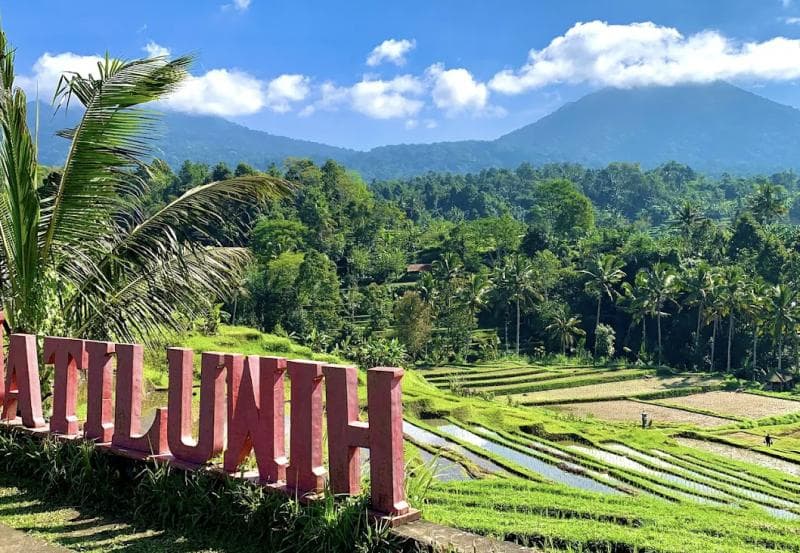
Explore Jatiluwih Rice Terraces' farming zones in Bali, Indonesia. Discover the UNESCO-listed Subak system, traditional red rice cultivation, and local culture.
Overview
Nestled in the lush highlands of Bali, Indonesia, the Farming Zones within the Jatiluwih Rice Terraces offer a breathtaking panorama of emerald-green fields that cascade down the slopes. Recognized as a UNESCO World Heritage site since 2012, Jatiluwih is far more than just a beautiful landscape; it is a living testament to centuries of sustainable agricultural practices and profound cultural harmony. Spanning over 600 hectares, these meticulously maintained paddies are located in the Tabanan Regency, at an altitude of approximately 700 to 850 meters above sea level, providing a refreshing, cooler climate compared to Bali's coastal areas. The very name 'Jatiluwih' translates to 'truly marvelous' or 'real beauty,' perfectly encapsulating the awe-inspiring vistas that unfold before every visitor.
History & Cultural Background
The history of rice cultivation in Jatiluwih, and indeed across Bali, dates back to at least the 9th century. At the heart of these farming zones lies the ingenious Subak irrigation system, a complex network of canals, tunnels, and weirs developed over a millennium ago. This system is not merely an engineering marvel; it is deeply interwoven with the Balinese Hindu philosophy of 'Tri Hita Karana,' which emphasizes maintaining harmony among humans, nature, and the spiritual realm.
Water, seen as a divine gift, is managed and distributed through a cooperative system overseen by local farmers and guided by water temples. These 'Subak' cooperatives democratically elect their leaders, known as 'Klian Subak,' who ensure equitable water allocation to all fields. Sacred rituals and ceremonies are integral to every stage of the agricultural cycle, from planting to harvesting. These rites are often dedicated to Dewi Sri, the goddess of fertility and rice, reinforcing the spiritual connection between the farmers and their land. Historically, the farmers of Jatiluwih steadfastly maintained their traditional farming methods, even resisting attempts during the colonial era to shift to other crops, thereby preserving the authenticity of this unique landscape.
What Makes It Special
What truly sets the Jatiluwih Rice Terraces apart is their designation as a UNESCO World Heritage site, a recognition bestowed upon them in 2012 for their outstanding universal value as a sustainable cultural landscape. Unlike some of Bali's more commercialized rice terraces, Jatiluwih offers an expansive and often more peaceful experience, covering a vast area where visitors can genuinely connect with nature without feeling overcrowded.
The farming zones are a living, working agricultural area where age-old techniques are still employed. Farmers here famously cultivate a unique variety of Balinese red rice, which requires a longer growing period of approximately five months, in contrast to the three months for white rice. This commitment to traditional, sustainable practices ensures the ecological balance of the region, making Jatiluwih a vibrant example of human ingenuity working in concert with the environment.
Stories, Fun Facts & Local Details
The name 'Jatiluwih' itself, meaning 'truly marvelous,' hints at the profound admiration the local community holds for their land. The red rice grown here is not only a staple food but also a prized local specialty, known for its distinct flavor and nutritional value. Visitors might witness farmers using traditional tools and even the gentle power of cows or buffaloes to plow the fields, a practice that highlights the enduring connection to their ancestral methods.
The agricultural calendar in Jatiluwih is marked by important festivals and ceremonies that align with the 105-day rice-growing cycle, such as 'Metekapan' to mark the opening of fields, and 'Ngusaba' as a tribute to water deities. A fascinating aspect of modern Jatiluwih is its innovative approach to tourism: revenue generated from visitors is directly reinvested into the community, helping to subsidize fertilizers for farmers and support essential religious ceremonies, thereby ensuring the continuity of the Subak system. Many local 'warungs' (small, family-owned restaurants) offer authentic farm-to-table dining experiences, featuring dishes like 'Nasi Campur' made with ingredients harvested directly from these very fields.
Visitor Perspective
For the curious traveler, the farming zones of Jatiluwih offer an immersive and enriching experience. Well-marked trekking and cycling paths wind through the terraces, inviting visitors to explore the landscape up close and enjoy panoramic views of Mount Batukaru and the surrounding valleys. There are even opportunities for deeper cultural immersion, such as participating in seasonal rice planting or harvesting activities under the guidance of local farmers.
The cool mountain air provides a welcome respite, making walks and activities particularly pleasant. The best time to visit is generally during the dry season, from April to October, with May to July offering the most vibrant green paddies before harvest. Arriving early in the morning is recommended to avoid crowds and enjoy the cooler temperatures and soft golden light. It's important for visitors to remember that these are active farming areas and to show respect for the farmers and their livelihoods by staying on designated paths. The entrance fee for foreign visitors typically ranges from IDR 40,000 to 50,000, which contributes to the preservation and maintenance of this remarkable heritage site.
Coordinates: 115.1081, -8.356218
View on Google Maps💬 How Travelers Describe This Place
Based on community votes
Beautiful
836Unique
797Photogenic
396Interesting
286Must See
255
Traveler Stories
Discover memorable experiences shared by travelers who have visited this place.
No traveler stories yet.
Be the first traveler to share what made this place memorable.

Tour
By
Spot
Discover amazing places around the world. Your journey starts here.
Explore
© 2026 TourBySpot. All rights reserved.