Ismaili Centre Dushanbe
Dushanbe, Tajikistan
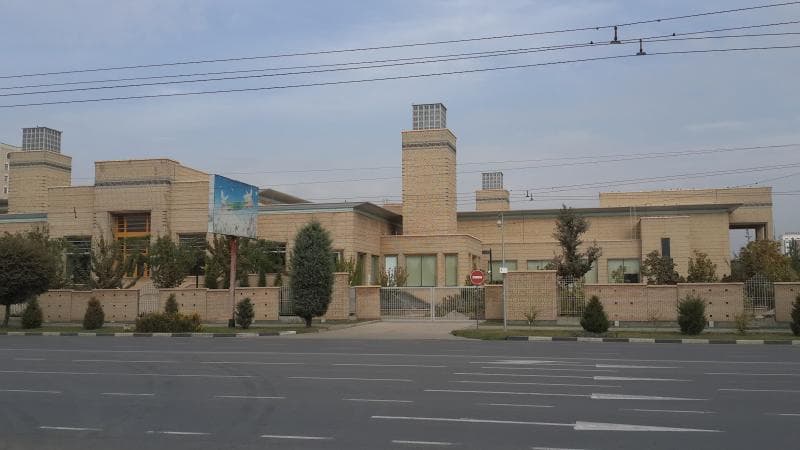
Explore the Ismaili Centre Dushanbe, a stunning architectural and cultural hub in Dushanbe, Tajikistan, blending ancient heritage with modern design.
Overview
Nestled in the vibrant heart of Dushanbe, Tajikistan, the Ismaili Centre stands as a beacon of cultural, intellectual, and spiritual exchange. More than just a place of worship, it represents a significant architectural landmark and a vital community hub for the Ismaili Muslim community in Central Asia and beyond. As the fifth purpose-built Ismaili Centre globally and the very first in Central Asia, its inauguration in 2009 marked a historic moment, symbolizing renewed engagement and presence for the Ismaili community in a region where their roots run deep. Situated on Ismoil Somoni Avenue, named after Tajikistan's national hero, the Centre offers a tranquil space for reflection, learning, and connection, blending seamlessly into the city's landscape while offering a distinctive architectural statement.
History & Cultural Background
The foundation stone for the Ismaili Centre Dushanbe was laid on August 30, 2003, culminating in its grand opening on October 12, 2009. The ceremony was presided over by His Highness the Aga Khan IV, the spiritual leader of the Ismaili Muslims, and the then President of Tajikistan, Emomali Rahmon. This momentous occasion was particularly significant given the long and complex history of the Ismaili population in Tajikistan, which spans over a thousand years. While religious practices were often suppressed during the Soviet era, the period following Tajikistan's independence in 1991 saw a resurgence of public religious and cultural expression. The establishment of the Ismaili Centre, developed by the Aga Khan Development Network (AKDN), underscored a commitment to fostering community development and preserving cultural heritage in the region. It serves as a prominent architectural focus for the traditionally peripheral Ismaili community in the capital, marking their increasing integration into the global Ismaili community.
What Makes It Special
The Ismaili Centre Dushanbe is a masterpiece of design, conceived by Canadian architect Farouk Noormohamed. What makes it truly special is its profound connection to Central Asian architectural heritage. The design meticulously evokes the grandeur of Samanid architecture, drawing inspiration from the 10th-century Samanid Mausoleum and the iconic courtyards of historical cities like Samarkand, Bukhara, and Khiva. This revival of indigenous architectural traditions, some of which had been culturally displaced over time, was a central mandate for the Centre's creation. The building features sandstone baked brick, intricate woodcarvings, delicate plasterwork, and vibrant blue and turquoise glazed clay tiles, reflecting the rich artisanal traditions of the region. Beyond its aesthetic appeal, the Centre is engineered with modern sustainability in mind, incorporating earthquake-resistant features like an elastic wood roof diaphragm and an innovative water-source heating and cooling system for energy efficiency. It is not solely a religious space, but a comprehensive facility designed to facilitate cultural and intellectual exchange, offering spaces for conferences, lectures, exhibitions, and performances, embodying a vision for spiritual and intellectual advancement.
Stories, Fun Facts & Local Details
Imagine the dedication involved in its construction: a staggering three million bricks were used to build the Centre, with some even being specially imported from Samarkand to achieve the desired authentic aesthetic. The Centre's five minarets are a distinctive feature, with the central minaret rising to an impressive 25 meters, while the others stand at 21 meters. Inside, the floors showcase a rich variety of materials, from patterned granite to fine beech, wenge, and cherry woods, with some areas featuring parquetry of oak and African blackwood. The carefully landscaped gardens, complete with bubbling fountains and Persian silk trees, create a serene atmosphere, embodying the tranquil 'chahar bagh' garden concept, which traditionally symbolizes paradise. Tajik artists like Khasan and Firdavs Dzhumaev have contributed their skill through exquisite plasterwork, demonstrating a commitment to local craftsmanship and even connecting this Centre's artistry to other Ismaili Centres globally. The Centre truly serves as an 'ambassadorial building' for dialogue, community gatherings, and social interaction, aiming to re-invigorate the spirit of inquiry and cross-cultural understanding.
Visitor Perspective
For a curious traveler, visiting the Ismaili Centre Dushanbe offers a unique opportunity to appreciate its magnificent architecture and experience its peaceful, welcoming atmosphere. The Centre is generally open to the public on weekends, typically from 9:00 AM to 12:00 PM, offering free guided tours. These tours, often led by knowledgeable student volunteers, provide insightful details into the building's design, purpose, and the rich cultural heritage it represents. When planning a visit, it's advisable to dress modestly, ensuring shoulders and knees are covered, as a sign of respect for the spiritual nature of the place. While photography is generally permitted, it's always good practice to ask for permission, especially in certain areas. The tranquil courtyards, the intricate details of the architecture, and the overall serene environment make for a memorable experience, inviting visitors to reflect on the blend of history, faith, and modernity embodied in this remarkable institution.
Coordinates: 68.7634, 38.58521
View on Google Maps💬 How Travelers Describe This Place
Based on community votes
Photogenic
996Must See
953Beautiful
658Interesting
585Unique
69
Traveler Stories
Discover memorable experiences shared by travelers who have visited this place.
No traveler stories yet.
Be the first traveler to share what made this place memorable.
Things to see at Ismaili Centre Dushanbe



Tour
By
Spot
Discover amazing places around the world. Your journey starts here.
Explore
© 2026 TourBySpot. All rights reserved.