Wooden Carvings
Dushanbe, Tajikistan
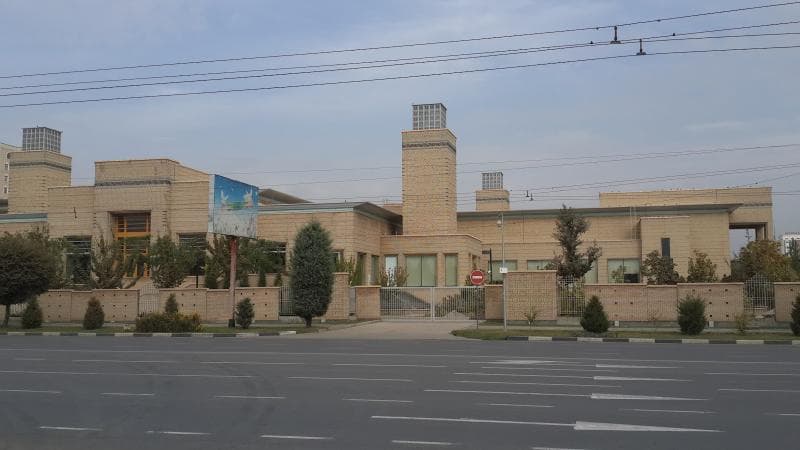
Discover the intricate beauty of wooden carvings at the Ismaili Centre Dushanbe, Tajikistan. Explore rich cultural heritage and traditional craftsmanship.
Overview
Within the grand architectural embrace of the Ismaili Centre Dushanbe, nestled in the vibrant capital of Tajikistan, lie the exquisite wooden carvings that speak volumes of a rich cultural tapestry. These detailed artistic elements are not merely decorative; they are fundamental to the Centre's design, seamlessly blending traditional Central Asian aesthetics with contemporary functionality. The Ismaili Centre itself stands as a significant cultural and religious institution, being the first of its kind in Central Asia, and serves as a hub for spiritual growth, intellectual exchange, and community engagement.
Visitors to the Centre will encounter these intricate wood carvings adorning various architectural components, from grand portals to subtle interior details, offering a profound glimpse into Tajikistan's enduring artistic heritage. The presence of these carvings emphasizes the Centre's commitment to reflecting and celebrating local traditions, providing a unique visual narrative for every curious traveler.
History & Cultural Background
The Ismaili Centre Dushanbe was inaugurated on October 12, 2009, a collaborative effort marked by the presence of His Highness the Aga Khan IV, the spiritual leader of the Shia Ismaili Muslims, and Tajikistan's President Emomali Rahmon. Its architectural vision draws deeply from historical precedents, particularly the revered Samanid architecture, echoing the designs of the 10th-century Samanid Mausoleum. Further inspiration comes from the aesthetic styles of the Karakhanid Mausoleum at Uzgen (12th century) and the Khwaja Ahmad Yasavi Mausoleum in Turkestan (14th century).
The art of wood carving in Tajikistan, locally known as 'kandakory', boasts an ancient lineage, with origins traceable back to the 5th-8th centuries and even earlier periods. This ancient craft predates the arrival of Islamic culture, which brought a shift in artistic motifs from figurative representations to abstract geometric and floral patterns, a tradition that continues to thrive.
What Makes It Special
The wooden carvings at the Ismaili Centre Dushanbe are remarkable for their ability to bridge ancient craft with modern architectural expression. They are not isolated elements but are integrated meticulously into the overall structure, often complementing the Centre's distinctive brickwork and plaster finishes. A core design principle for the Centre was the integration of indigenous materials, patterns, and textures, ensuring that the building reflects the region's cultural identity while aspiring to future functionality.
Notably, the massive wooden portals within the Centre feature a brick-like pattern that subtly represents the 'chahar bagh' (four gardens). This symbolic motif is frequently repeated throughout the Centre, evoking ancient philosophical concepts of earth, water, air, and fire, and reminiscent of the gardens of paradise described in the Qur'an. The quality of the wood used is also a distinguishing factor, with beams and flooring in areas like the social hall crafted from fine woods such as beech, wenge, and cherry, while some intricately carved solid doors were specially imported from Italy.
Stories, Fun Facts & Local Details
The traditional Tajik art of wood carving, 'kandakory', is deeply ingrained in the country's cultural fabric. Historically, local masters utilized various types of wood, including plane trees, mulberry, juniper, and walnut, selecting them for their durability and workability. The carvings often feature two primary ornamental styles: 'islimi', characterized by delicate floral patterns such as almonds ('bodom'), tulips ('lola'), irises ('guli savsan'), mallow ('guli hairi'), and representations of pomegranate and grapes, symbolizing fertility and abundance. The other style, 'girih', involves complex geometric designs.
These detailed carvings were not exclusively reserved for monumental architecture; they also adorned everyday objects like household items, musical instruments, and smaller decorative pieces, showcasing the pervasive nature of this craft. A testament to the skill of Tajik artisans is the fact that the construction of the Ismaili Centre involved local craftsmen, with carved wooden beams, for instance, designed by artisans from Khorog, thereby helping to revive traditional crafts and stimulate the local economy. A captivating fun fact highlights the international appreciation for this art: Dushanbe's mayor once gifted Boulder, Colorado, a large tea house that took 40 'kandakory' craftsmen over three years to carve and decorate.
Visitor Perspective
For the traveler, exploring the wooden carvings at the Ismaili Centre Dushanbe offers an enriching cultural experience that transcends mere sightseeing. It's an opportunity to connect with Tajikistan's profound artistic heritage and witness how centuries-old traditions are thoughtfully integrated into contemporary structures. The Centre's design, including its detailed wood work, creates a serene and contemplative atmosphere, enhanced by elements such as tranquil contemplative pools and meticulously landscaped gardens.
The Ismaili Centre is designed to be accessible and welcoming, reflecting its role as a space for dialogue and community. It is open to the public on weekends, offering free guided tours, which provide an excellent opportunity for visitors to appreciate the architectural nuances and the cultural significance of the wooden carvings up close. Engaging with these intricate details allows one to understand the Centre's role not only as a religious and cultural institution but also as a symbol of the enduring spirit of Tajik craftsmanship and cultural pride.
Coordinates: 68.76349, 38.58493
View on Google Maps💬 How Travelers Describe This Place
Based on community votes
Beautiful
996Interesting
673Must See
585Unique
143Photogenic
80
Traveler Stories
Discover memorable experiences shared by travelers who have visited this place.
No traveler stories yet.
Be the first traveler to share what made this place memorable.

Tour
By
Spot
Discover amazing places around the world. Your journey starts here.
Explore
© 2026 TourBySpot. All rights reserved.