Educational Spaces
Dushanbe, Tajikistan
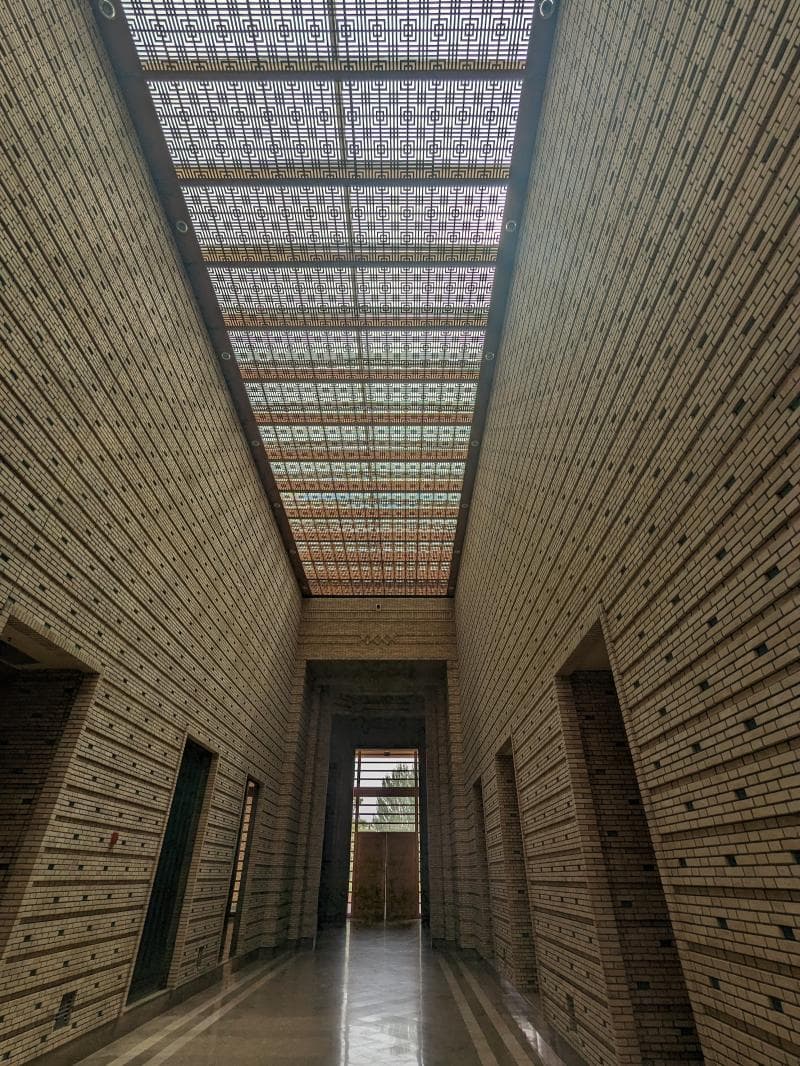
Discover the Ismaili Centre Dushanbe's Educational Spaces in Tajikistan, a hub for learning, cultural exchange, and intellectual advancement.
Overview
Nestled in the vibrant city of Dushanbe, Tajikistan, the Ismaili Centre stands as a beacon of cultural, social, and educational advancement. More than just an architectural marvel, it functions as a central hub designed to foster spiritual and intellectual growth within the Ismaili community and beyond. Opened in 2009, it was the fifth purpose-built Ismaili Centre worldwide and the first in Central Asia, a region with a rich Ismaili heritage spanning over a thousand years. The ‘Educational Spaces’ within this Centre are thoughtfully integrated, reflecting a profound commitment to knowledge and learning that has characterized Ismaili communities for centuries.
These spaces are not merely classrooms but encompass a diverse range of facilities, including a well-equipped knowledge centre, a library, academic blocks, and dedicated areas for youth education. They are designed to facilitate cultural and intellectual exchange, encouraging a spirit of inquiry and dialogue. Surrounded by serene courtyards and tranquil gardens, these educational areas offer an inspiring environment conducive to reflection, learning, and community interaction.
History & Cultural Background
The Ismaili Centre Dushanbe's architecture itself is a testament to the region's rich cultural tapestry, drawing inspiration from historical Central Asian monuments like the 10th-century Samanid Mausoleum and the grand courtyards of Samarkand, Bukhara, and Khiva. The building’s design, by Canadian architect Farouk Noormohamed, aimed to synthesize the ethics and traditions of faith with the requirements of contemporary society. This approach extends to its educational mission, which revitalizes historical memory while nurturing innovation.
Historically, various gathering spaces have co-existed with masjids, often accommodating institutional spaces for educational, social, and reflective purposes. The Ismaili Centre Dushanbe continues this tradition, providing a modern facility that respects and reinterprets this long-standing commitment to knowledge. The inauguration of the Centre by His Highness the Aga Khan and Tajikistani President Emomali Rahmon in 2009 underscored its significance not only for the Ismaili community but also for the broader cultural landscape of Tajikistan. It represents a prominent architectural focus in the capital, symbolizing the increasing integration of Tajik Ismailis into the global Ismaili community and their dedication to intellectual advancement.
What Makes It Special
The ‘Educational Spaces’ within the Ismaili Centre Dushanbe are distinguished by their holistic approach to learning. Beyond traditional classrooms, they include a sophisticated 'knowledge centre' that is fully furnished, wired, and connected, making it a hub for research and study. The presence of an 'academic block' and a dedicated 'Youth and Education area' further emphasizes the Centre's commitment to formal and informal learning across different age groups.
A unique aspect is its capacity to host a wide array of public programs, including exhibitions, conferences, lectures, and cultural performances, often supported by translation booths for multilingual delivery. This allows for a rich exchange of ideas and knowledge, transcending linguistic barriers. The integration of modern amenities with a design that echoes ancient Central Asian architectural styles creates an inspiring environment that encourages both intellectual rigor and spiritual contemplation. The serene courtyards and gardens surrounding these spaces contribute to a peaceful atmosphere, fostering interaction and deep engagement with learning.
Stories, Fun Facts & Local Details
The Ismaili Centre in Dushanbe is more than just a building; it's a living narrative. For instance, the Centre actively participates in global initiatives like International Education Week, hosting educational fairs that involve local dignitaries and institutions, highlighting its role in the broader educational ecosystem of Tajikistan. This demonstrates its commitment to both its community and the wider society.
A fascinating detail is how the Centre's design thoughtfully incorporates traditional Pamiri elements, such as the ‘chorkhona’ skylight, a layered concentric square design recalling ancient philosophical symbols for earth, water, air, and fire. This motif is subtly repeated throughout the Centre, connecting modern functionality with profound cultural heritage. The extensive use of three million local clay bricks, punctuated with blue and turquoise glazed bricks, not only evokes Samanid architecture but also grounds the structure deeply in Tajik artisanal traditions. These details offer a glimpse into the thoughtful craftsmanship and cultural storytelling embedded within the Centre’s educational and architectural fabric.
Visitor Perspective
For a curious traveler, visiting the ‘Educational Spaces’ within the Ismaili Centre Dushanbe offers a unique opportunity to witness the profound value placed on knowledge and community. While specific access might vary for private educational programs, the very existence and design of these areas speak volumes. Observing the architectural details that blend ancient Tajik heritage with modern functionality provides a deeper understanding of the local culture and the Ismaili community's aspirations.
Wandering through the peaceful courtyards, visitors can feel the serene atmosphere that is intentionally created to facilitate learning and interaction. The Centre’s commitment to hosting public lectures, conferences, and cultural events means that there are often opportunities for non-members to engage with its intellectual offerings. It's a chance to witness how a significant cultural institution fosters education, dialogue, and a forward-looking vision, rooted deeply in tradition, in the heart of Central Asia.
Coordinates: 68.7634, 38.58521
View on Google Maps💬 How Travelers Describe This Place
Based on community votes
Must See
673Photogenic
336Interesting
219Unique
186Beautiful
80
Traveler Stories
Discover memorable experiences shared by travelers who have visited this place.
No traveler stories yet.
Be the first traveler to share what made this place memorable.

Tour
By
Spot
Discover amazing places around the world. Your journey starts here.
Explore
© 2026 TourBySpot. All rights reserved.