Cultural Exhibition Areas
Dushanbe, Tajikistan
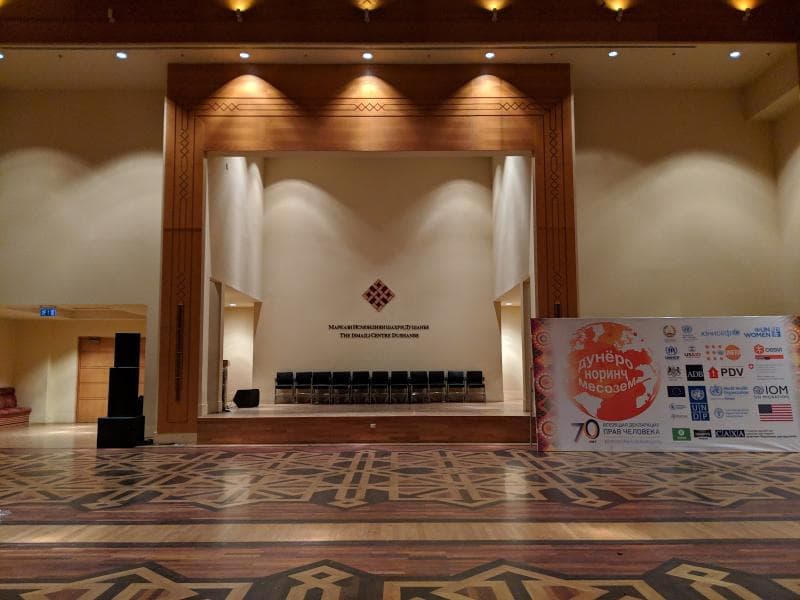
Explore the vibrant Cultural Exhibition Areas at Ismaili Centre Dushanbe, Tajikistan, showcasing Central Asian art, history, and traditions.
Overview
The Ismaili Centre Dushanbe, nestled in the vibrant capital of Tajikistan, stands as a beacon of cultural exchange and intellectual inquiry. While not a single, designated 'Cultural Exhibition Area' in the conventional sense, the Centre is meticulously designed with versatile spaces that regularly host a rich tapestry of cultural events, art exhibitions, and educational programs. These areas are integral to the Centre's broader mission of fostering dialogue and understanding between diverse cultures and faiths. Here, visitors can immerse themselves in the artistic expressions of Central Asia and beyond, making it a dynamic hub for appreciating the region's profound heritage and contemporary creativity. The architectural splendor of the Centre itself, drawing inspiration from historical Central Asian monuments, provides a fitting backdrop for these cultural displays.
As one of six such Ismaili Centres globally, and the first in Central Asia, it serves as a significant landmark that celebrates the thousand-year history of the Ismaili community in the region. Its cultural spaces are not merely venues but active participants in preserving and evolving the region's artistic traditions, offering a unique window into the rich cultural landscape of Tajikistan and its neighbors.
History & Cultural Background
The Ismaili Centre Dushanbe was inaugurated on October 12, 2009, a culmination of a vision to establish a facility that would embody the spiritual and intellectual aspirations of the Ismaili Muslim community, while also serving as a bridge for broader societal engagement. The foundation stone for this ambitious project was laid on August 30, 2003, marking a significant milestone in the Ismaili community's long history in Central Asia.
The architecture of the Centre is a profound narrative in itself, explicitly designed to evoke the rich architectural heritage of Tajikistan and Central Asia. Canadian architect Farouk Noormohamed drew inspiration from revered 10th-century Samanid mausoleums and the grand courtyards of historical cities like Samarkand, Bukhara, and Khiva. This design philosophy was a conscious effort to reclaim and celebrate the architectural traditions that have shaped the region for centuries. The use of sandstone baked brick, intricate woodcarvings, plasterwork, and blue and turquoise glazed clay tiles are all homages to the vernacular styles and artisanal traditions of the area. This historical grounding ensures that the cultural exhibition areas, and indeed the entire Centre, resonate with a deep sense of place and heritage.
What Makes It Special
What makes the cultural exhibition areas within the Ismaili Centre Dushanbe truly special is their multifaceted nature and their commitment to showcasing authentic Central Asian artistry and intellect. Unlike static museum exhibits, these spaces are dynamic, regularly transforming to host a variety of cultural events, from art exhibitions featuring local and regional artists to cultural performances, lectures, and educational workshops. This continuous rotation of programming means there is always something new and engaging for visitors to experience, offering fresh perspectives on the region's cultural evolution.
The Centre's dedication to preserving and promoting local traditions extends to its educational workshops, which often include hands-on sessions in traditional crafts like carpet weaving or calligraphy. These initiatives not only provide unique learning opportunities but also play a vital role in ensuring the survival of important cultural skills. The integrated approach, where architecture, function, and programming all reinforce a message of cultural appreciation and intellectual curiosity, sets these exhibition areas apart as more than just display spaces; they are active forums for cultural dialogue and enrichment.
Stories, Fun Facts & Local Details
Imagine stepping into a space where the very walls tell stories. The Ismaili Centre's design concept intentionally revives historical memory while embracing innovation, making it a living canvas for cultural expression. For instance, the external facade, crafted from 3 million bricks, many imported from Samarkand, and adorned with blue and turquoise tiles, visually connects it to ancient regional masterpieces. Inside, floors feature patterned granite, beech, wenge, and cherry wood, with intricate plasterwork by Tajik artists like Khasan and Firdavs Dzhumaev, whose works also grace Ismaili Centres in other parts of the world, creating a subtle global artistic bridge.
A fun fact is that the Centre was designed to be earthquake-resistant, incorporating an elastic wood roof diaphragm, a crucial feature in Tajikistan's seismic region. This blend of traditional aesthetics with modern engineering demonstrates a forward-thinking approach that respects the past while building for the future. The Centre's gardens, with Persian silk trees and fountains, mirror the traditional chahar bagh style, symbolically representing the gardens of paradise and offering serene spaces for reflection before or after engaging with the cultural exhibits.
Visitor Perspective
For a curious traveler, visiting the cultural exhibition areas within the Ismaili Centre Dushanbe offers an enriching journey into Central Asian culture. The Centre is generally open to the public on weekends, typically from 9:00 AM to 12:00 PM, providing free guided tours. This accessibility allows visitors to explore not just the current exhibitions but also the architectural marvels and tranquil courtyards that form part of the experience. The guided tours often illuminate the symbolism behind the Centre's design and its role within the community, adding depth to the visual experience.
Engaging with the diverse art exhibitions, cultural performances, and educational workshops held here provides a genuine opportunity to connect with local artists and cultural practitioners. Whether it's admiring a textile art display, listening to traditional music, or observing a craft demonstration, the experience is designed to be immersive and informative. It's a place to understand the nuances of Tajik and Central Asian cultural identity, appreciate the intricate craftsmanship, and witness the ongoing dialogue between tradition and modernity. It offers a calm, contemplative atmosphere, inviting visitors to reflect on the historical context and the contemporary artistic pulse of Dushanbe.
Coordinates: 68.7634, 38.58521
View on Google Maps💬 How Travelers Describe This Place
Based on community votes
Beautiful
953Unique
658Photogenic
585Interesting
69Must See
22
Traveler Stories
Discover memorable experiences shared by travelers who have visited this place.
No traveler stories yet.
Be the first traveler to share what made this place memorable.

Tour
By
Spot
Discover amazing places around the world. Your journey starts here.
Explore
© 2026 TourBySpot. All rights reserved.