Courtyard Gardens
Dushanbe, Tajikistan
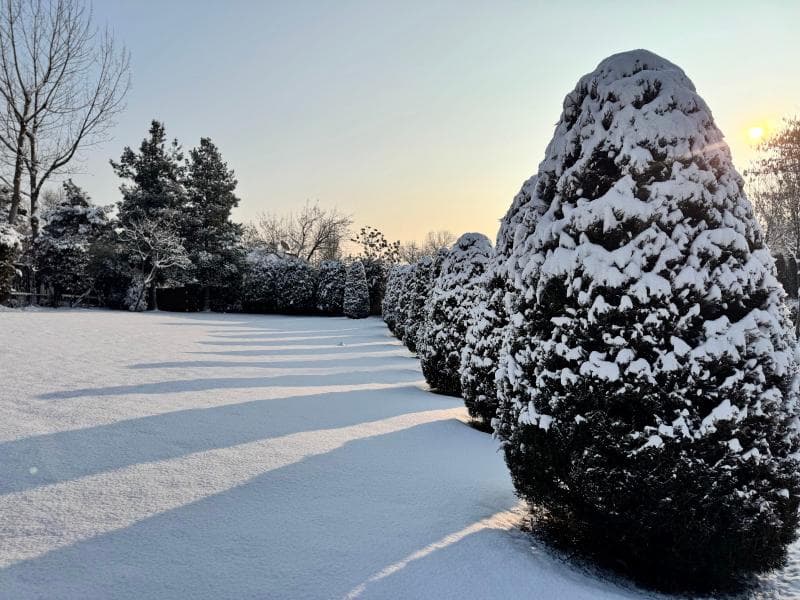
Explore the serene Courtyard Gardens at the Ismaili Centre Dushanbe, Tajikistan, a harmonious blend of traditional Islamic design and modern architecture.
Overview
Nestled within the bustling heart of Dushanbe, Tajikistan, the Ismaili Centre stands as a testament to architectural beauty and cultural significance. Within its impressive confines lies the tranquil oasis known as the Courtyard Gardens. This meticulously designed space is more than just a decorative feature; it is an integral part of the Centre's philosophical vision, offering visitors a serene retreat from the urban environment. Inaugurated on October 12, 2009, the Ismaili Centre Dushanbe was the fifth purpose-built Ismaili Centre globally and the first in Central Asia, making its gardens a significant landmark for both locals and travelers alike. The Courtyard Gardens seamlessly blend the rich heritage of Central Asian Islamic garden design with modern functionality, inviting contemplation and fostering community interaction. As you explore the Centre, these gardens provide a natural and calming transition between the various sections, which include facilities for worship, conferences, and cultural events. This harmonious design sets a contemplative tone, preparing visitors for the profound cultural and spiritual experiences offered within the Centre.
History & Cultural Background
The genesis of the Courtyard Gardens is deeply interwoven with the architectural philosophy of the entire Ismaili Centre Dushanbe. The Centre's design, masterminded by Canadian architect Farouk Noormohamed, intentionally evokes the grandeur of Samanid architecture, paying homage to Tajikistan's rich cultural past. Inspirations were drawn from revered historical sites such as the 10th-century Samanid Mausoleum and the grand courtyards found in iconic cities like Samarkand, Bukhara, and Khiva. This architectural lineage aimed to re-establish a connection to traditional Central Asian styles, incorporating indigenous materials, patterns, and colors. The use of sandstone baked brick, intricate woodcarvings, plasterwork, and visually prominent blue and turquoise glazed tiles reflects the vernaculars of these historical precedents. The gardens themselves embody the ancient concept of the 'chahar bagh,' or 'four gardens,' a design principle laid out quadrilaterally, typically separated by walkways or flowing water. This design holds deep symbolic meaning, representing the four rivers of paradise mentioned in the Qur'an, creating a space that is both aesthetically pleasing and spiritually resonant.
What Makes It Special
The Courtyard Gardens are exceptional not only for their aesthetic appeal but also for their profound symbolic depth and functional integration. They are a physical manifestation of the 'chahar bagh' concept, an ancient Persian garden layout representing paradise, which is immediately recognizable through its quadripartite design with channels and pathways. Here, Persian silk trees provide shade, while bubbling fountains and interconnecting channels create a soothing auditory and visual experience. This serene environment is protected and framed by four 'iwans,' tall, rectangular portals that provide entry to other parts of the complex. Open to the sky and surrounded by classrooms, the courtyard serves as a vital space for interaction with the Centre's knowledge facilities, fostering an atmosphere of learning and exchange. The integration of sustainable features, such as an innovative water-source heating and cooling system and an elastic wood roof diaphragm for earthquake resistance, highlights a forward-thinking approach that respects both tradition and modernity, a testament to its uniqueness in the region.
Stories, Fun Facts & Local Details
The Ismaili Centre, and by extension its Courtyard Gardens, represents a significant milestone for the Ismaili community in Tajikistan, a region where Ismailis have resided for over a thousand years. It serves as a modern focal point for a community that, under Soviet rule, saw its religious practices discouraged. Its inauguration marked a renewed public prominence for Ismailis in Tajikistan. The design team behind the Centre received gold medals for Architecture and Interior Design from the International Union of Architects Central Asian Chapter, underscoring the exceptional quality of its craftsmanship and vision. The Centre was built with a clear mandate to reintroduce and celebrate the architectural heritage of Tajikistan, much of which has historically been perceived as belonging to neighboring Uzbekistan due to political boundaries. The construction itself was a monumental effort, utilizing 3 million bricks imported from Samarkand and featuring interior finishings with high-quality natural materials such as marble, stone, and decorative timber. The landscaped complex, encompassing a vast garden with over 10,000 planted trees, artificial lakes, and streams, further exemplifies the dedication to creating a truly harmonious environment.
Visitor Perspective
For a curious traveler, a visit to the Courtyard Gardens within the Ismaili Centre Dushanbe offers a truly enriching experience. The Centre is open to the public on weekends, specifically from 9:00 AM to 12:00 PM, and provides free guided tours. These tours are often led by knowledgeable student volunteers who offer valuable insights into the Centre's architecture, purpose, and the cultural significance of the gardens. While exploring this spiritual and cultural hub, it is advisable to dress modestly, covering shoulders and knees, out of respect for the sacred nature of the place. Photography might have restrictions in certain areas, so it's always best to ask permission before taking pictures. Many visitors consistently praise the Centre for its magnificent architecture and its peaceful, welcoming atmosphere. The Courtyard Gardens, with their soothing fountains and thoughtful layout, provide a perfect setting for quiet reflection or a moment of peace amidst a day of exploration in Dushanbe. It's a place where history, faith, and nature converge, offering a unique window into the rich cultural tapestry of Tajikistan.
Coordinates: 68.76349, 38.58493
View on Google Maps💬 How Travelers Describe This Place
Based on community votes
Unique
995Photogenic
839Beautiful
603Must See
581Interesting
388
Traveler Stories
Discover memorable experiences shared by travelers who have visited this place.
No traveler stories yet.
Be the first traveler to share what made this place memorable.

Tour
By
Spot
Discover amazing places around the world. Your journey starts here.
Explore
© 2026 TourBySpot. All rights reserved.