Ethnological Museum
Pristina, Kosovo
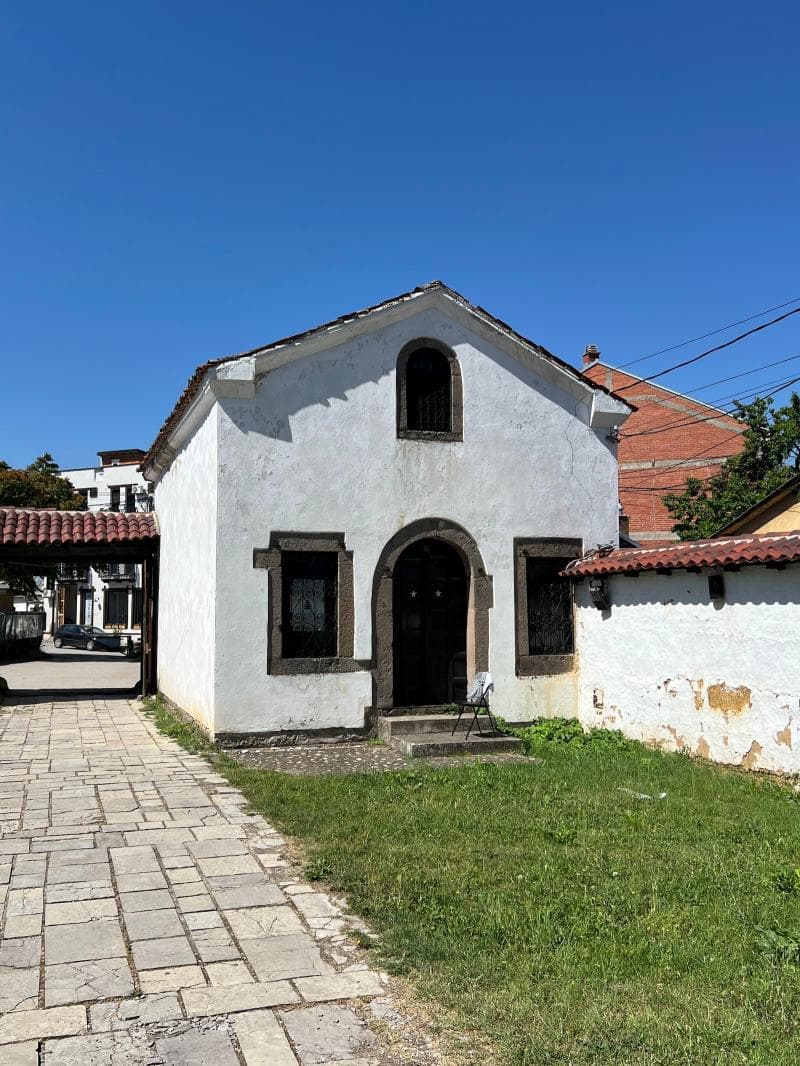
Explore the Ethnological Museum in Pristina, Kosovo, housed in the historic Emin Gjiku Complex, showcasing centuries of traditional life and culture.
Overview
The Ethnological Museum in Pristina, Kosovo, offers a captivating journey into the rich cultural heritage of the region. Nestled within the historic Emin Gjiku Complex, this museum is a window into the traditional life, customs, and crafts that have shaped Kosovo from the 15th through the 20th centuries. It provides an immersive experience, inviting visitors to explore the everyday lives of past inhabitants through meticulously curated exhibits housed in beautifully preserved 18th and 19th-century Ottoman-era buildings.
More than just a collection of artifacts, the museum complex itself is a significant cultural monument, reflecting the architectural harmony of its time. It is an integral part of the larger Museum of Kosovo system, playing a vital role in preserving and presenting the nation's diverse cultural tapestry.
History & Cultural Background
The Ethnological Museum is situated in the Emin Gjiku Complex, an exquisite example of 18th-century Ottoman architecture that once belonged to the prominent Emin Gjinolli family. The complex, whose name 'Emin Gjiku' is derived from 'Emin Gjikolli' meaning 'little man' (or 'Eminçik' in Turkish), became a monument of culture over time.
Before its transformation into the ethnological museum, the Emin Gjiku Complex served as a nature museum until 1990. Following extensive, internationally funded conservation works completed in 2003, the complex was meticulously restored and converted, officially opening as an ethnological museum in 2006. In 2016, the complex and its invaluable contents were declared under permanent protection by the Kosova Council for Cultural Heritage, solidifying its status as a cherished national treasure.
What Makes It Special
What truly distinguishes the Ethnological Museum is its authentic setting and its narrative approach to history. The museum's exhibitions are thoughtfully organized around the 'circle of life': birth, life, death, and intangible heritage, allowing visitors to connect deeply with the human experience across centuries.
Housed across two central buildings – the family house and the guest house – the museum showcases a rich array of traditional Kosovar artifacts. Visitors can marvel at intricate traditional clothing, a testament to the region's textile traditions, alongside household items, tools, and exquisite crafts like woodwork, embroidery, and filigree jewelry. The collection also includes ancient weapons and traditional musical instruments, offering a comprehensive view of daily life and celebrations.
The museum's ability to transport visitors back in time within its historically preserved walls is remarkable, creating an immersive atmosphere that brings Kosovo's past vividly to life.
Stories, Fun Facts & Local Details
Stepping into the Emin Gjiku Complex feels like uncovering layers of history, with each corner telling a story. The complex itself, with its traditional houses, courtyards, and gardens, provides a serene oasis reminiscent of bygone eras.
One interesting detail is the stone building located in the entrance courtyard; it is believed to be the only remaining structure from Pristina's old bazaar and once served as a blacksmith's shop. This small detail ties the museum directly to the bustling commercial life of historical Pristina. While the stable within the complex is currently unused, there have been discussions about transforming it into a traditional food restaurant, hinting at future enhancements that would further enrich the visitor experience.
In a testament to its significance, The Guardian, a respected international publication, recognized the Ethnological Museum of Pristina in 2020 as one of the 12 best city museums in Europe, highlighting its exceptional contribution to cultural preservation. For those looking for a tangible memory, the museum shop offers traditional gifts, including the distinctive white eggshell 'plis' hats, a symbol of Albanian culture.
Visitor Perspective
Visiting the Ethnological Museum is an experience recommended for anyone eager to delve into the heart of Kosovo's heritage. Its central location in Pristina makes it an easily accessible destination for travelers exploring the city.
The museum caters to a wide audience, including culture enthusiasts, history buffs, families with children, and craft lovers, offering something meaningful for everyone. English-speaking guides are typically available to provide additional context and insights into the exhibits, enhancing the educational value of the visit.
A visit typically lasts between one to two hours, allowing ample time to appreciate the detailed exhibits and the historical ambiance of the complex. For a more tranquil experience, it is often suggested to visit during weekdays, avoiding the larger crowds that might gather on weekends. Don't forget to wear comfortable shoes to explore the grounds and bring a camera to capture the intricate craftsmanship on display.
Coordinates: 21.1669, 42.6671
View on Google Maps💬 How Travelers Describe This Place
Based on community votes
Photogenic
965Must See
894Beautiful
862Unique
443Interesting
184
Traveler Stories
Discover memorable experiences shared by travelers who have visited this place.
No traveler stories yet.
Be the first traveler to share what made this place memorable.
Things to see at Ethnological Museum



Tour
By
Spot
Discover amazing places around the world. Your journey starts here.
Explore
© 2026 TourBySpot. All rights reserved.