Cultural Exhibition Halls
Pristina, Kosovo
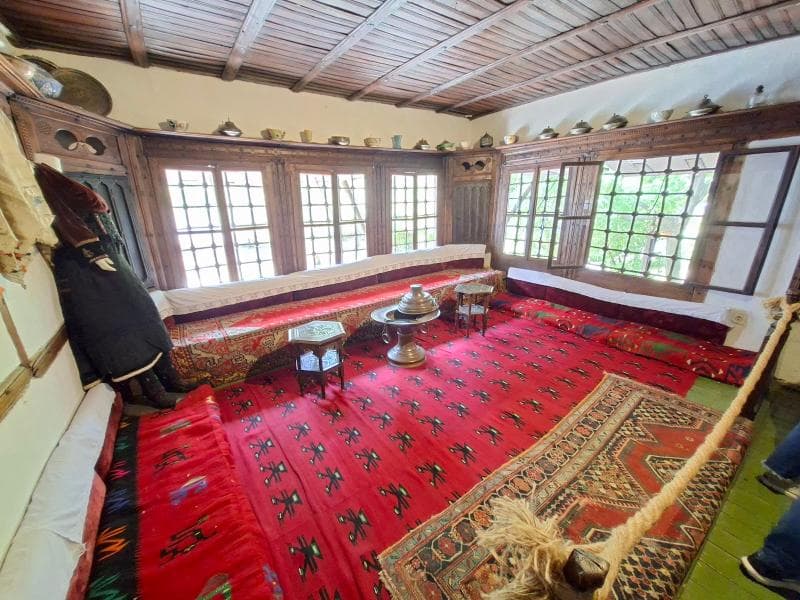
Explore the Ethnological Museum's Cultural Exhibition Halls in Pristina, Kosovo, showcasing Ottoman-era life, customs, and crafts.
Overview
The Cultural Exhibition Halls of the Ethnological Museum, nestled within the historic Emin Gjiku Complex in Pristina, Kosovo, offer a captivating journey into the heart of Kosovar heritage. This remarkable museum is not just a repository of artifacts, but an immersive experience set within beautifully preserved 18th and 19th-century Ottoman residential architecture. It serves as a vital cultural institution, dedicated to showcasing the traditional lifestyles, customs, and craftsmanship that have shaped the region for centuries.
Visitors to these halls are invited to explore the intricate tapestry of Kosovar life, presented through authentic exhibits that breathe life into the past. The museum's unique setting, a collection of traditional houses, courtyards, and gardens, transports one back in time, providing a profound understanding of the region's rich ethnological narrative.
History & Cultural Background
The Ethnological Museum is housed within the Emin Gjiku Complex, a name derived from the Emin Gjinolli family who originally owned these significant Ottoman-era residences. Constructed during the 18th and 19th centuries, the complex stands as one of Pristina's best-preserved examples of traditional Ottoman architecture. For a period until 1990, the site functioned as a Museum of Nature. However, following extensive internationally funded conservation works that concluded in 2003, it was thoughtfully repurposed and officially opened as the Ethnological Museum in 2006.
As an integral part of the larger Museum of Kosovo network, the Ethnological Museum plays a crucial role in preserving the country's movable heritage. Its establishment marked a significant step in documenting and presenting the traditional Albanian life and cultural evolution in Kosovo, spanning from the 15th through the 20th century.
What Makes It Special
What sets the Cultural Exhibition Halls apart is their dedication to presenting the 'circle of life' through a meticulously curated permanent exhibition. This exhibition is thoughtfully organized around four central themes: birth, life, death, and spiritual heritage. This thematic approach allows visitors to trace the progression of human experience within Kosovar tradition, from the rituals surrounding a new arrival to the customs of daily existence, important ceremonies like marriage, and even death rituals.
The museum's exhibits are incredibly diverse, featuring authentic traditional clothing with intricate designs, everyday household items from cooking utensils to decorative pieces, and exquisite examples of traditional crafts and art, including woodwork, embroidery, and pottery. The very architecture of the Emin Gjiku Complex, with its carved wooden ceilings, stone arches, and enclosed courtyards, acts as an exhibit in itself, immersing visitors directly into the historical context of the displayed artifacts.
Stories, Fun Facts & Local Details
Stepping into these halls is like unwrapping layers of history, each object telling a story. Imagine the vibrant textiles of a traditional bridal dress, hinting at celebrations and new beginnings. Or consider the detailed filigree jewelry, a testament to the skilled artisans of past centuries. The museum beautifully illustrates the concept of the 'Oda,' the traditional reception room reserved for men, offering a glimpse into social structures and hospitality.
A notable fun fact is that the Ethnological Museum of Pristina has been recognized as among the '12 best city museums in Europe,' underscoring its significant cultural value and engaging presentation. The museum also houses traditional musical instruments like the 'Lahuta,' a cordophone instrument, allowing one to imagine the melodies that once filled these homes. Furthermore, the complex's name, 'Emin Gjiku,' is said to derive from the Turkish 'Eminçik,' meaning 'little Emin,' a charming detail that connects the complex to its historical owner.
Visitor Perspective
For the curious traveler, a visit to the Cultural Exhibition Halls is a truly immersive 'step-back-in-time' experience. The thoughtful preservation of the Ottoman-era complex, coupled with the rich collection of artifacts, creates an atmosphere where one can almost hear the echoes of past lives. Moving through the rooms, which have been curated to retain their original architectural features, visitors gain an intimate understanding of domestic life in Kosovo.
The tranquil courtyards and gardens provide a peaceful setting for reflection, allowing one to digest the wealth of cultural information. Interpretive signage and the possibility of guided tours enhance the experience, providing deeper context to the displays. This museum is an accessible and insightful stop for anyone seeking to connect with Kosovo's profound cultural heritage, offering a clear and moving narrative of its traditions and resilience.
Coordinates: 21.1663, 42.6601
View on Google Maps💬 How Travelers Describe This Place
Based on community votes
Unique
896Photogenic
550Must See
102Beautiful
95Interesting
28
Traveler Stories
Discover memorable experiences shared by travelers who have visited this place.
No traveler stories yet.
Be the first traveler to share what made this place memorable.

Tour
By
Spot
Discover amazing places around the world. Your journey starts here.
Explore
© 2026 TourBySpot. All rights reserved.