Emin Gjiku House
Pristina, Kosovo
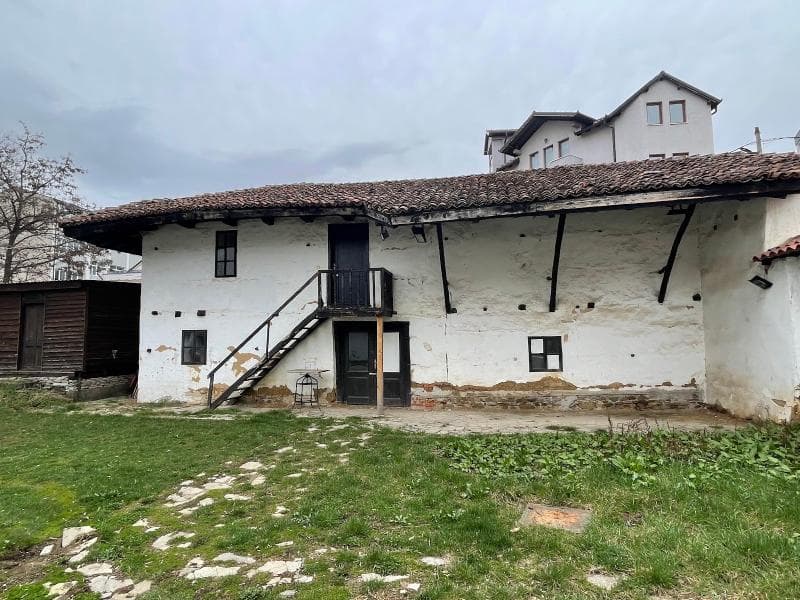
Discover Emin Gjiku House, Pristina's Ethnological Museum. Explore 18th-century Ottoman architecture, traditional Kosovar life, and cultural heritage in Kosovo.
Overview
The Emin Gjiku House, now serving as Pristina's Ethnological Museum, stands as a remarkable testament to 18th-century Ottoman residential architecture in Kosovo. This beautifully preserved complex offers visitors a unique window into the traditional lifestyles, customs, and rich cultural heritage of the region. It is centrally located in Pristina, making it an accessible and enriching stop for anyone exploring the city's historical heart.
History & Cultural Background
The Emin Gjiku Complex was originally constructed in the 18th century as the family residence for Emin Gjikolli. The name 'Emin Gjiku' is derived from the Turkish term 'Eminçik,' meaning 'little Emin', a charming detail that links the complex to its origins. For a period, until 1990, the site functioned as a Museum of Nature. However, following significant internationally funded conservation efforts in 2003, the complex was lovingly repurposed. In 2006, it reopened its doors as the Ethnological Museum, becoming a vital part of the broader Museum of Kosovo network. The complex itself is recognized as a cultural monument, having been declared under permanent protection by the Kosova Council for Cultural Heritage in 2016. Its distinct architecture and historical significance perfectly reflect the Ottoman period of Kosovo and the enduring traditional Albanian way of life that flourished within its walls.
The complex is thoughtfully designed with two main courtyards: an entrance courtyard that historically included a stable, and an inner courtyard housing the family home and the 'Oda,' or guest house. This layout provides an authentic glimpse into the hierarchical and communal aspects of traditional family living.
What Makes It Special
What truly sets the Emin Gjiku House apart is its status as one of Pristina's best-preserved examples of Ottoman residential architecture. Walking through its grounds is like stepping back in time, with the museum's design meticulously preserving original architectural features. Visitors can admire intricately carved wooden ceilings, robust stone arches, and tranquil enclosed courtyards that speak volumes about the craftsmanship of generations past.
The museum's permanent exhibition is thoughtfully organized around four central themes, reflecting the complete 'circle of life': birth, life, death, and spiritual heritage. Alternatively, some interpretations focus on rituals related to birth, marriage, and death, alongside displays of daily objects. Each room is a treasure trove, curated with authentic artifacts that paint a vivid picture of Albanian family life. These include beautifully embroidered garments, essential cooking tools, unique musical instruments like the çifteli, and a wide array of traditional clothing, household items, crafts, and even old weapons.
A highlight for many is the 'Oda,' the traditional guest house. This room held immense cultural importance, historically reserved for men and serving as a crucial space for social gatherings, discussions, and the perpetuation of oral traditions. Exploring this dedicated space offers profound insight into the social fabric of past Kosovar society.
Stories, Fun Facts & Local Details
Beyond its formal exhibits, the Emin Gjiku House is rich with stories and fascinating details. The very name 'Emin Gjiku' carries a historical echo, stemming from 'Eminçik,' the Turkish term for 'little Emin,' an affectionate nickname given to Emin Gjikolli, the original owner. One of the houses within the complex is preserved in a manner that allows visitors to experience it as it would have looked when its affluent original owners resided there, complete with textiles and elaborate carved wood, offering a palpable sense of elegant historical living.
The museum's significance has not gone unnoticed on the international stage; in 2020, The Guardian notably selected the Ethnological Museum of Pristina as one of the 12 best city museums in Europe. This recognition underscores its value as a cultural institution.
For those eager to delve deeper, the museum provides volunteer guides who offer free tours in both English and Albanian. These guides are incredibly knowledgeable, enhancing the visitor experience with their insights into the pieces on display and the broader history of Kosovo. They are often happy to share recommendations for other cultural sites and local experiences, making your visit even more memorable.
Visitor Perspective
A visit to the Ethnological Museum in the Emin Gjiku Complex is an immersive cultural journey. It provides an insightful understanding of Kosovo's rich heritage and a captivating glimpse into Pristina's past. The museum operates on a free admission policy, though donations are warmly welcomed to support the ongoing preservation of this historical gem. Photography is permitted, allowing you to capture the intricate details, though it is requested that flash be avoided indoors to protect the delicate artifacts.
Conveniently located near other significant landmarks such as the Imperial Mosque and the Kosovo National Museum, the complex is easily reachable on foot from Skanderbeg Square. While the garden areas offer accessibility, visitors should note that wheelchair access to the interior of the historic houses is currently partial due to the architectural constraints of the 18th-century buildings. The knowledgeable and friendly guides are consistently praised by visitors for enriching the experience, offering context and answering questions, ensuring a meaningful and memorable exploration of Kosovo's ethnological treasures.
Coordinates: 21.1655019, 42.6629163
View on Google Maps💬 How Travelers Describe This Place
Based on community votes
Must See
965Interesting
743Photogenic
719Beautiful
629Unique
176
Traveler Stories
Discover memorable experiences shared by travelers who have visited this place.
No traveler stories yet.
Be the first traveler to share what made this place memorable.

Tour
By
Spot
Discover amazing places around the world. Your journey starts here.
Explore
© 2026 TourBySpot. All rights reserved.