Courtyard Garden
Pristina, Kosovo
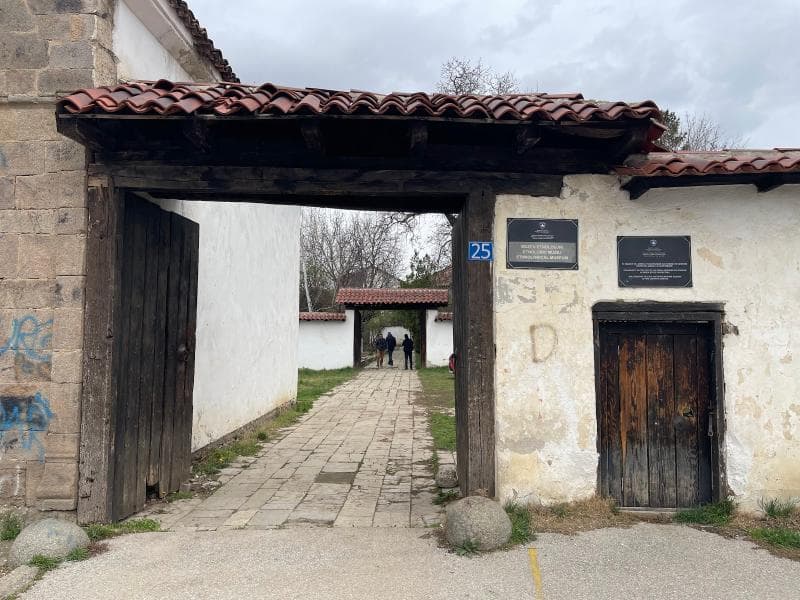
Discover the tranquil Courtyard Garden at the Ethnological Museum in Pristina, Kosovo. Explore Ottoman-era architecture and rich cultural heritage.
Overview
Stepping into the Courtyard Garden of the Ethnological Museum in Pristina, Kosovo, is like discovering a tranquil oasis nestled amidst the bustling city. This serene outdoor space is an integral part of the Emin Gjiku Complex, an exceptionally well-preserved 18th-century Ottoman-era residential compound. Far more than just a garden, it serves as a living introduction to the traditional Kosovar way of life, offering a peaceful retreat and a contextual setting for the museum's rich exhibits. It's a place where the architecture and nature intertwine, providing a tangible sense of the past and the intimate domestic world it once represented.
The Ethnological Museum, also known as Muzeu Etnologjik Emin Gjiku, was transformed into its current purpose in the early 2000s, breathing new life into this historical gem. The complex itself comprises two main courtyards: an outer entrance courtyard and a more secluded inner courtyard. The Courtyard Garden refers to these beautifully enclosed spaces, which feature traditional elements that speak volumes about the family life and architectural styles of centuries past. It's a key part of what makes the museum a compelling journey through Kosovo's cultural heritage.
History & Cultural Background
The Emin Gjiku Complex, home to the Ethnological Museum and its Courtyard Garden, dates back to the 18th century, representing a significant example of Ottoman residential architecture in Pristina. It was originally the family residence of Emin Gjinolli, known locally as Emin Gjiku, a prominent figure whose name now graces the complex. The design of the complex, with its high, thick walls—reportedly 55 cm thick and constructed from adobe and wooden battens—was characteristic of the period, providing privacy, security, and a sense of enclosure for the family within.
For a period until 1990, the complex served as a nature museum. However, following extensive internationally funded conservation works completed in 2003, it was meticulously restored and repurposed as an ethnological museum. This transformation allowed the complex to showcase Kosovo's rich cultural heritage, with the courtyards and surrounding buildings providing an authentic backdrop for exhibits detailing Albanian traditions, daily life, rituals, and craftsmanship from the 15th to the 20th century. The careful preservation ensures that visitors can experience the environment much as its original inhabitants would have.
What Makes It Special
The Courtyard Garden's unique charm lies in its authenticity and the way it harmonizes with the surrounding Ottoman-era architecture. Unlike modern, manicured gardens, these courtyards offer a glimpse into the functional and aesthetic role such spaces played in traditional Kosovar households. They are not merely decorative but serve as tranquil extensions of the living spaces, providing light, fresh air, and a secluded environment for family activities. The blend of traditional houses, outbuildings like the stable and stone house (some now repurposed), and the natural elements within the enclosed space creates an immersive 'step-back-in-time' experience.
The robust construction of the courtyard walls speaks to a historical need for protection and privacy, a feature that today contributes to its peaceful atmosphere. Walking through the two distinct courtyards—the more public entrance courtyard and the private inner courtyard—allows visitors to understand the spatial organization of a traditional residential complex. It is this combination of architectural preservation and natural tranquility that sets the Courtyard Garden apart, making it an indispensable part of the Ethnological Museum's appeal.
Stories, Fun Facts & Local Details
The very name 'Emin Gjiku' carries a small linguistic curiosity; 'Gjiku' is a nickname meaning 'Little Man'. The complex's enduring presence by Pristina's old bazaar highlights its historical connection to the city's commercial and social heart. Imagine the sounds and smells that would have once drifted into these courtyards from the bustling market, now replaced by the quiet rustle of leaves and the distant city hum.
While the focus of the museum is primarily on the exhibits inside the houses, the courtyards themselves are silent storytellers. They evoke the daily routines of families who lived here, from children playing to women engaging in household chores, all within the protective embrace of these stone and adobe walls. The garden setting encourages visitors to pause and reflect, connecting with the intangible heritage of the people who once called this complex home. It's a space where history isn't just displayed, but felt.
Visitor Perspective
For any curious traveler visiting Pristina, the Ethnological Museum's Courtyard Garden offers a truly immersive and educational experience. It’s a space that invites unhurried exploration and contemplation, providing a contrast to the often fast-paced urban environment outside. The peaceful ambiance of the courtyards, combined with the detailed insights offered by the museum's indoor exhibits, creates a holistic understanding of Kosovar culture and heritage.
Visitors often appreciate the opportunity to wander through these open-air sections, enjoying the architectural details and the quietude before or after delving into the rich collections of traditional clothing, tools, and household items inside the houses. It's a perfect spot for photography, capturing the timeless beauty of Ottoman-era design and the subtle interplay of light and shadow on the ancient walls. The Courtyard Garden acts as a bridge, seamlessly connecting the grand stories of the past with the personal experience of the present-day visitor, making the Ethnological Museum a truly memorable stop in Pristina.
Coordinates: 21.1669, 42.6727
View on Google Maps💬 How Travelers Describe This Place
Based on community votes
Beautiful
961Photogenic
710Must See
555Unique
448Interesting
156
Traveler Stories
Discover memorable experiences shared by travelers who have visited this place.
No traveler stories yet.
Be the first traveler to share what made this place memorable.

Tour
By
Spot
Discover amazing places around the world. Your journey starts here.
Explore
© 2026 TourBySpot. All rights reserved.