Handicraft Displays
Pristina, Kosovo
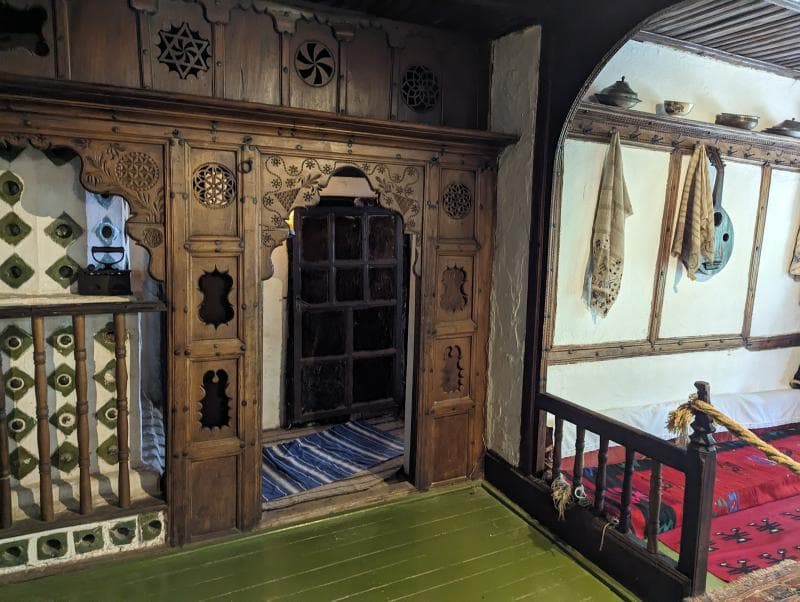
Explore the rich Handicraft Displays at Pristina's Ethnological Museum, showcasing Kosovo's traditional crafts, costumes, and Ottoman heritage.
Overview
Nestled within the historic Emin Gjiku Complex in Pristina, Kosovo, the Ethnological Museum offers a captivating glimpse into the rich tapestry of Kosovar traditional life. This sub-spot, dedicated to Handicraft Displays, is an integral part of the museum's broader mission to preserve and present the cultural heritage of the region. Housed in beautifully preserved 18th-century Ottoman-era buildings, the museum itself is a monument of culture, providing an authentic backdrop for the intricate craftsmanship it showcases. Visitors can explore a vast collection of traditional costumes, household items, tools, and various handcrafted elements that illustrate the diverse cultural tapestry of Kosovo from the 15th through the 20th century.
The Ethnological Museum, often referred to as the Ethnographic Museum, first opened its permanent exhibition in 2002, and was repurposed as an ethnological museum in 2003 or 2006 after extensive conservation works. It stands as a vital institution, offering a deeper understanding of the region's history and traditions, fostering a greater appreciation for the cultural diversity that characterizes Kosovo.
History & Cultural Background
The Emin Gjiku Complex, where the museum resides, is one of Pristina's best-preserved examples of Ottoman residential architecture, dating back to the 18th century. The complex was once the family residence of Emin Gjikolli, whose name 'Eminçik' (little Emin in Turkish) is still associated with the site. Before becoming an ethnological museum, the complex served as a nature museum until 1990. Following internationally funded conservation efforts, it was transformed into a repository for ethnographic artifacts, officially opening its doors with a focus on traditional life. The museum's exhibits meticulously trace the story of life during the Ottoman period in Kosovo, displaying items that reflect the daily routines, customs, and craftsmanship that defined generations.
The cultural background of the handicraft displays is deeply rooted in Albanian traditions, reflecting themes related to birth, marriage, death, and the spiritual heritage of the region. Each artifact tells a story of community, resilience, and artistic expression, offering insights into the rhythms of Albanian family life.
What Makes It Special
What makes the Handicraft Displays at the Ethnological Museum truly special is their ability to transport visitors back in time. The setting itself, within the authentic 18th and 19th-century Ottoman houses with their original furniture and architectural features like carved wooden ceilings and stone arches, creates an immersive experience. The collection preserves over 1,500 artifacts, showcasing the traditional lifestyle, crafts, and dress of Kosovo's diverse ethnic groups. You'll find intricately designed traditional clothing, handwoven textiles, pottery, woodwork, and unique musical instruments such as the çifteli and lahuta. The museum also highlights traditional filigree jewelry, emphasizing the exquisite detail and artistry passed down through generations. The blend of historical setting with carefully curated artifacts allows for a profound connection to Kosovo's past, making it a living archive of domestic traditions.
Stories, Fun Facts & Local Details
One fascinating detail is that the museum's layout preserves the original architectural features of the homes, including the 'Oda,' a reception room traditionally reserved for men. This provides a direct insight into the social structures and gender roles of past centuries. Many of the displayed crafts, like the intricately embroidered garments and handwoven textiles, were not just decorative but also carried significant cultural and symbolic meanings within the community, often marking life's milestones from birth to marriage and death.
A fun fact for visitors is that the museum sometimes hosts live demonstrations of traditional crafts such as pottery and weaving, offering a hands-on experience and a deeper appreciation for the skill involved. English-speaking guides are often available to enhance the visit, providing context and stories behind the exhibits. Visitors can even purchase traditional items, including the iconic 'plis' eggshell hat, a unique Kosovar headwear, from the museum's shop.
Visitor Perspective
From a visitor's perspective, exploring the Handicraft Displays at the Ethnological Museum is a journey of discovery. It's recommended for culture enthusiasts, history buffs, and craft lovers, offering a quiet and insightful experience, especially during weekday mornings. The museum is conveniently located in central Pristina, making it an accessible stop for tourists. Walking through the rooms filled with traditional tools, vibrant textiles, and everyday objects allows one to vividly imagine the lives of Kosovo's past inhabitants. The serene garden setting of the Emin Gjiku Complex adds to the peaceful atmosphere, inviting contemplation of the rich heritage presented. It offers a truly immersive way to grasp Kosovo's traditional life, moving beyond mere observation to a deeper understanding of its multi-ethnic and multi-faith traditions.
Coordinates: 21.1655019, 42.6629163
View on Google Maps💬 How Travelers Describe This Place
Based on community votes
Beautiful
894Unique
862Interesting
443Must See
304Photogenic
184
Traveler Stories
Discover memorable experiences shared by travelers who have visited this place.
No traveler stories yet.
Be the first traveler to share what made this place memorable.

Tour
By
Spot
Discover amazing places around the world. Your journey starts here.
Explore
© 2026 TourBySpot. All rights reserved.