Ottoman Architecture Rooms
Pristina, Kosovo
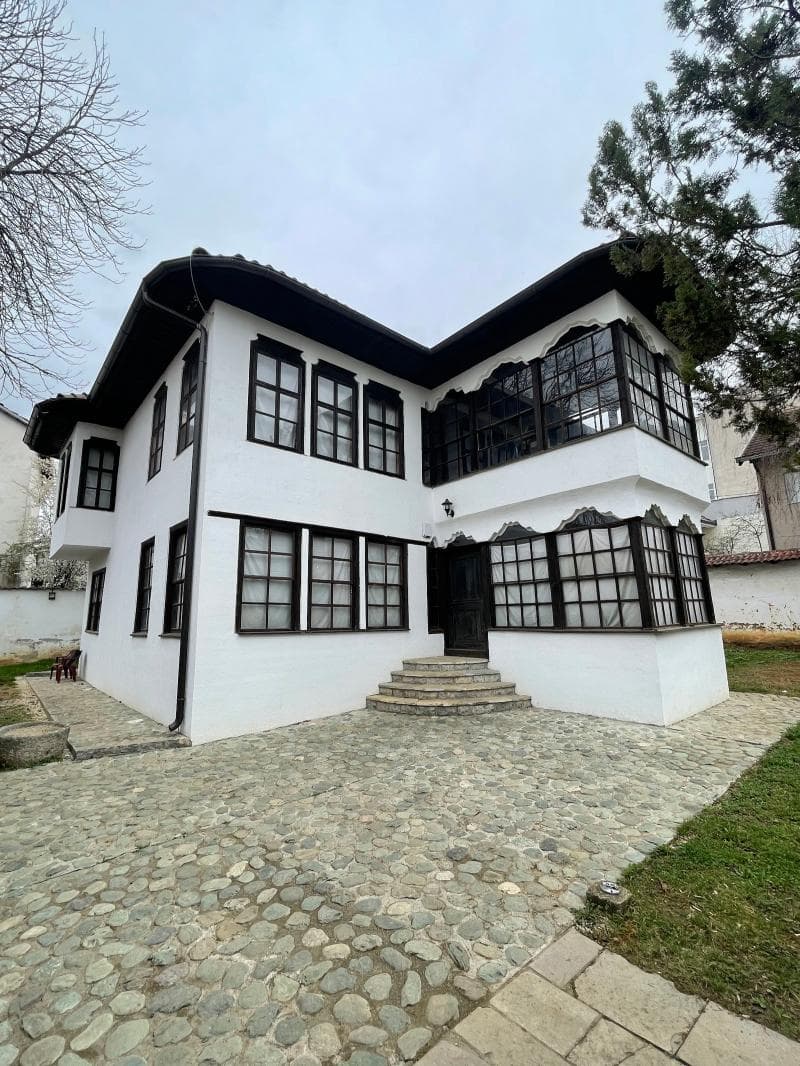
Explore the Ottoman Architecture Rooms within Pristina's Ethnological Museum, Kosovo. Discover 18th-century homes, traditional life, and cultural heritage.
Overview
Step into a living legacy at the Ottoman Architecture Rooms, nestled within the captivating Ethnological Museum in Pristina, Kosovo. This isn't merely a display of artifacts; it’s an immersive journey into the heart of Kosovar traditional life from the 15th through the 20th century. Housed within the beautifully preserved Emin Gjiku Complex, an 18th-century monument of culture, the museum offers a unique glimpse into the domestic life, customs, and artistry shaped by centuries of Ottoman influence. Each room, with its authentic architecture and curated collections, tells a story of family, community, and the enduring spirit of Kosovar heritage.
The museum showcases an extensive collection of traditional costumes, household items, tools, and intricate crafts, all meticulously arranged to reflect the rich cultural tapestry of the region. It's an experience that transcends a typical museum visit, allowing you to walk through actual period homes and feel the echoes of lives once lived within these historic walls.
History & Cultural Background
The Ethnological Museum is situated within the Emin Gjiku Complex, a remarkable example of Ottoman residential architecture dating back to the 18th and 19th centuries. Originally the residence of the prominent Emin Gjikolli family, whose name itself derives from the Turkish 'Eminçik' meaning 'little Emin', the complex is one of the few surviving examples of such architecture in Pristina. Until 1990, the site served as a nature museum, but following internationally funded conservation efforts completed in 2003, it was thoughtfully transformed into an ethnological museum in 2006.
This transformation was crucial for preserving and presenting Kosovo's rich cultural heritage. In 2016, the Emin Gjiku Residential Complex – Ethnological Museum was officially declared under permanent protection by the Kosova Council for Cultural Heritage, recognizing its significant historical, artistic, and rarity values. The exhibits within are organized around the 'circle of life', covering themes such as birth, life, death, and intangible heritage, reflecting Albanian traditions and customs.
What Makes It Special
What truly sets the Ottoman Architecture Rooms apart is their authenticity. Visitors aren't just observing artifacts in sterile cases; they are stepping directly into the architectural spaces where these traditions unfolded. The museum's layout meticulously preserves the original features of the homes, including intricately carved wooden ceilings, robust stone arches, and tranquil enclosed courtyards. One of the houses is presented much as it would have been when its original wealthy owners resided there, adorned with textiles and carved wood, evoking the elegance of past living.
The collection itself is a treasure trove of Kosovar ethnography, encompassing traditional clothing, household items, ancient tools, weaponry, and unique musical instruments like the lahuta and ocarina. These items are not just historical objects but tangible links to the daily rhythms and ceremonial moments of generations past, bringing to life the story of Kosovars from the 15th to the 20th century.
Stories, Fun Facts & Local Details
Imagine the vibrant celebrations and solemn rituals that once filled these very rooms. The museum beautifully illustrates Albanian traditions, from elaborate wedding ceremonies to the customs surrounding birth and death. A particularly fascinating aspect is the ‘Oda’, a reception room traditionally reserved for men, reflecting the social structures of the time. The clothing displayed reveals distinct cultural influences, including the Ottoman era, and highlights regional and social variations, with many pieces showcasing intricate embroidery and unique patterns often symbolizing health and fertility.
Consider the traditional white felt cap, the ‘qeleshe’ or ‘plis’, still worn by some older rural men today, a symbol of Albanian identity. The display of traditional cooking utensils and household items offers insight into a time when daily life revolved around self-sufficiency and communal effort, where pottery for bread-baking was a skilled art passed down through generations.
Visitor Perspective
Visiting the Ottoman Architecture Rooms in Pristina's Ethnological Museum is an profoundly enriching experience, akin to stepping back in time. The beautifully preserved architecture and immersive exhibits create an authentic atmosphere that allows for a deeper understanding of Kosovo's past. Many visitors describe it as the most immersive way to grasp traditional Kosovar life. The museum welcomes visitors throughout the week, often with guided tours available that provide invaluable context and enhance the experience. English-speaking guides are typically on hand, ready to share fascinating insights into the various unique pieces and the stories they tell.
Admission to the museum is modest, sometimes by donation or free on national holidays, making it an accessible cultural gem. You are welcome to take photographs (though flash is discouraged indoors) to capture the intricate craftsmanship and historical ambiance. Allow yourself 1-2 hours to slowly explore the rooms and artifacts, connecting with the multi-ethnic and multi-faith traditions that have shaped Kosovo's identity over centuries.
Coordinates: 21.1655019, 42.6629163
View on Google Maps💬 How Travelers Describe This Place
Based on community votes
Photogenic
894Beautiful
748Interesting
304Must See
73Unique
35
Traveler Stories
Discover memorable experiences shared by travelers who have visited this place.
No traveler stories yet.
Be the first traveler to share what made this place memorable.

Tour
By
Spot
Discover amazing places around the world. Your journey starts here.
Explore
© 2026 TourBySpot. All rights reserved.