Historical Artifacts
Pristina, Kosovo
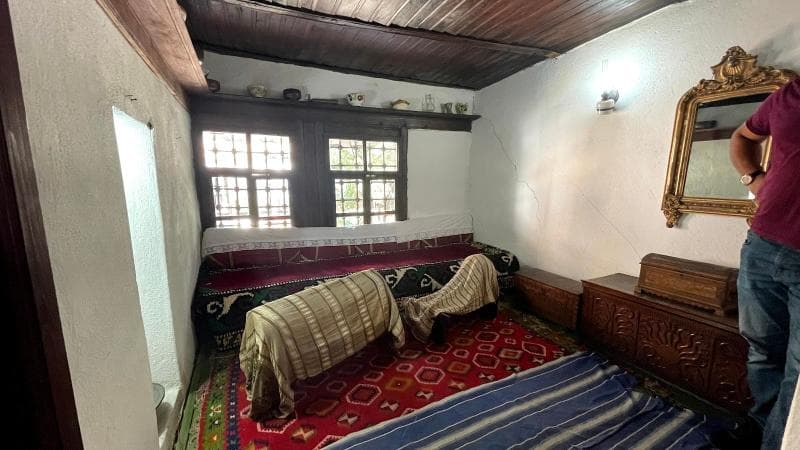
Explore historical artifacts at the Ethnological Museum in Pristina, Kosovo. Discover traditional costumes, tools, and Ottoman-era life.
Overview
Step into a meticulously preserved piece of history at the Ethnological Museum, nestled within the charming Emin Gjiku Complex in Pristina, Kosovo. More than just a collection of objects, this museum offers an immersive journey into the traditional life, customs, and artistry of the region, primarily spanning the Ottoman period from the 15th to the 20th century. Housed in an authentic 18th-century Ottoman residential complex, the museum itself is an artifact, showcasing traditional architecture with its carved wooden ceilings, stone arches, and tranquil courtyards. It serves as a vivid cultural time capsule, inviting visitors to explore the rich tapestry of Kosovar heritage through its diverse collection of historical artifacts.
History & Cultural Background
The Emin Gjiku Complex, where the Ethnological Museum now resides, is one of Pristina's finest examples of 18th-century Ottoman residential architecture. Originally the home of the prominent Emin Gjikolli family, the complex transitioned through various roles, including serving as a nature museum until 1990. Following extensive, internationally funded conservation efforts, it was thoughtfully repurposed and opened as the Ethnological Museum in 2006, though its permanent exhibition began in 2002. In 2016, its significant historical and cultural value led to its declaration as a protected monument by the state of Kosovo. The museum's existence within this historic complex underscores its commitment to preserving not only material culture but also the architectural heritage that shaped daily life for centuries in Kosovo.
What Makes It Special
What sets the Historical Artifacts collection at the Ethnological Museum apart is its unique ability to bring history to life within its original setting. The exhibits are not merely displayed; they are integrated into the very fabric of the 18th and 19th-century houses, allowing visitors to experience the domestic environments they once occupied. The permanent exhibition is thoughtfully structured around four thematic sections that encapsulate the human life cycle: birth, life, death, and spiritual heritage. This approach provides a profound insight into the rhythms of Albanian family life and the broader traditions of Kosovo. The museum showcases an extensive range of authentic items, from traditional clothing like embroidered garments and bridal attire to household tools, pottery, furniture, and even antique weaponry. Each artifact tells a story of the ingenuity, artistry, and daily resilience of Kosovar society across centuries, reflecting ancient Illyrian and Albanian traditions.
Stories, Fun Facts & Local Details
Imagine the hands that crafted the intricate 'fustanella' and 'xhubleta' textiles, garments whose history among Albanian people reportedly dates back to antiquity, illustrating the longevity of life and tradition. Or consider the 'çerep,' a type of ancient pottery used by housewives for baking bread well into the 20th century, or the 'pitos' pots, massive clay vessels where Illyrians stored food and drinks. These aren't just objects; they are echoes of generations past, each with its own narrative woven into the cultural fabric of Kosovo. The museum's guest house, known as the 'Oda,' offers a fascinating glimpse into the traditional male reception room, highlighting social customs. Visitors often remark on the warmth and authenticity of the experience, guided by knowledgeable English-speaking staff who enrich the visit with contextual explanations and anecdotes. It's a place where you can feel the spirit of a bygone era, understanding the 'prosaic story of a normal family' through their everyday possessions.
Visitor Perspective
A visit to the Ethnological Museum offers a deeply enriching experience for any curious traveler seeking to understand Kosovo's rich cultural tapestry. The museum's setting within the beautifully preserved Emin Gjiku Complex provides a tranquil escape from the bustling city, with its quiet gardens offering a moment for reflection. Admission is free, though donations are gratefully accepted, making this cultural gem accessible to all. Photography is permitted, allowing visitors to capture memories, although flash photography is discouraged indoors to protect the delicate artifacts. While the garden areas are generally wheelchair accessible, navigating the historic houses might be challenging due to terrain cobbles and the original architectural layout. Knowledgeable guides are often available to provide tours in English, offering deeper insights into the cultural significance of each exhibit. The museum's location near other central Pristina landmarks, such as the Imperial Mosque, makes it a convenient and essential stop on any cultural exploration of the city.
Coordinates: 21.1655019, 42.6629163
View on Google Maps💬 How Travelers Describe This Place
Based on community votes
Must See
710Unique
102Interesting
102Photogenic
95Beautiful
87
Traveler Stories
Discover memorable experiences shared by travelers who have visited this place.
No traveler stories yet.
Be the first traveler to share what made this place memorable.

Tour
By
Spot
Discover amazing places around the world. Your journey starts here.
Explore
© 2026 TourBySpot. All rights reserved.