Traditional Costume Exhibits
Pristina, Kosovo
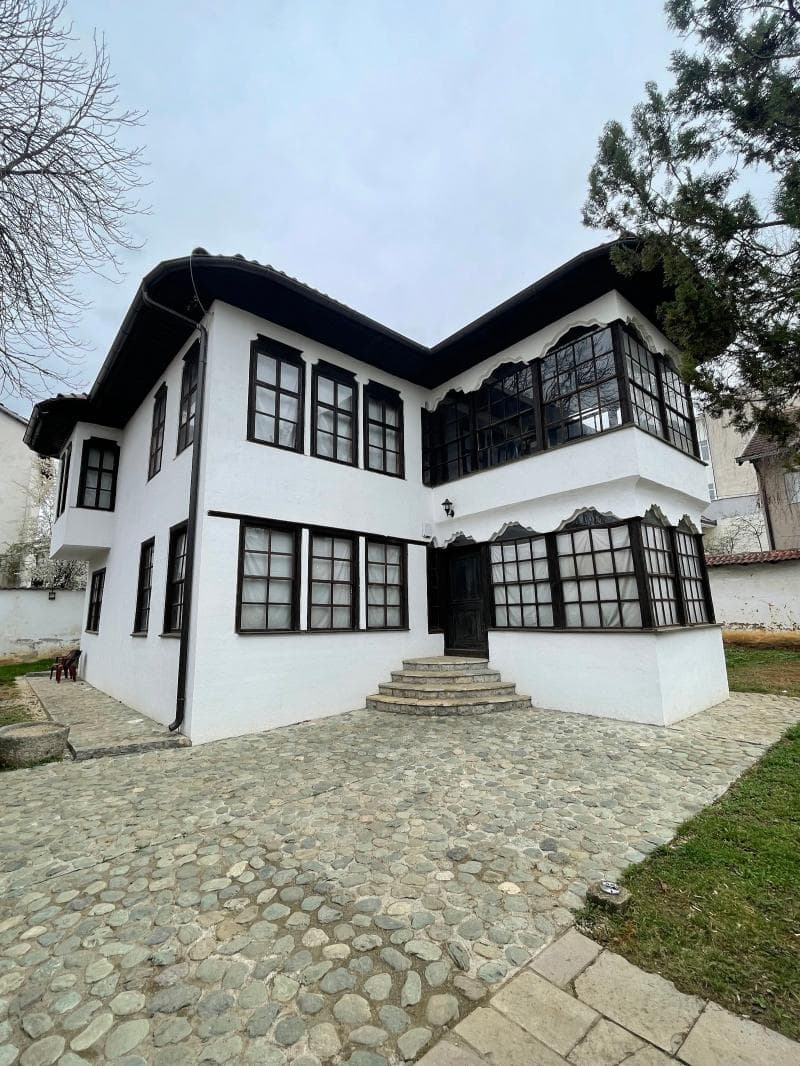
Explore traditional costume exhibits at the Ethnological Museum in Pristina, Kosovo. Discover rich cultural heritage and history through exquisite garments.
Overview
Nestled within the historic Emin Gjiku Complex in Pristina, Kosovo, the Ethnological Museum offers a captivating journey into the rich tapestry of Kosovar life and traditions. This cultural gem, housed in well-preserved Ottoman-era buildings, is particularly renowned for its extensive Traditional Costume Exhibits. Visitors step into a meticulously curated space where clothing transcends mere attire, becoming a vibrant narrative of heritage, identity, and the daily lives of people from the 15th to the 20th centuries. The museum showcases over 1,000 artifacts, providing a fascinating glimpse into a bygone era.
The exhibits explore not just garments, but the broader ethnological perspective of life in Kosovo, encompassing birth, marriage, and death rituals, alongside traditional crafts and musical instruments. It is an immersive experience that brings to life the stories woven into every thread and pattern, inviting a deeper understanding of Kosovo's diverse cultural landscape.
History & Cultural Background
The Ethnological Museum itself is situated within the Emin Gjiku Complex, an 18th-century cultural monument that once belonged to the Emin Gjinolli family. This architectural treasure, with its characteristic Ottoman design, including two central buildings (the family house and guest house), stable, and stone house, provides an authentic backdrop for the exhibits. After serving as a nature museum until 1990, the complex underwent significant conservation work and was transformed into the Ethnological Museum in 2003, with its official opening in 2006.
The collection within the museum, particularly the traditional costumes, serves as a tangible link to Kosovo's past under Ottoman rule, illustrating life across several centuries. These garments represent not only fashion but also the continuity of Albanian traditions and a strong connection to ancient Illyrian roots, reflecting a cultural identity preserved through generations.
What Makes It Special
What truly distinguishes the Traditional Costume Exhibits is the sheer diversity and intricate detail found in each piece. The museum houses a vast collection of traditional clothing and textiles, showcasing styles from various regions and ethnic groups within Kosovo, including Albanian, Turkish, and Slavic communities. Each costume tells a story, highlighting distinctions between wedding, festive, and everyday wear, and reflecting the customs surrounding significant life events.
Visitors can marvel at garments like the 'Jubleta,' an iconic, bell-shaped woolen dress worn by women, especially in mountainous areas, richly decorated with embroidered patterns and silver accessories. Men's traditional attire often includes the 'plis,' a distinctive white felt cap, alongside linen shirts and woolen trousers. These pieces are not merely historical relics; they are testaments to the artistry of past generations, often handwoven from wool or linen and adorned with elaborate embroidery.
Stories, Fun Facts & Local Details
The traditional costumes are rich in symbolism. Motifs such as triangles, rhombuses, circles, and crosses frequently appear, believed to symbolize health and fertility. Red is a predominant and highly symbolic color in many garments. The elaborate embroidery and choice of materials often conveyed social status, with more detailed work and expensive threads indicating wealth.
A fascinating aspect is that many of these garments were made by women within their daily duties, showcasing a profound connection between everyday life and artistic expression. Beyond aesthetic appeal, costumes were integral to rituals. For instance, brides wore ornate headpieces featuring coins and small mirrors, intended to ward off the 'evil eye' during weddings. The exhibits provide context for these items, explaining their significance in cultural practices related to birth, marriage, and death.
Visitor Perspective
For the curious traveler, the Ethnological Museum offers an incredibly immersive and enriching experience. The beautifully preserved Ottoman architecture, complete with wooden interiors and stone courtyards, creates an atmosphere that genuinely feels like stepping back in time. English-speaking staff are often available to provide fascinating guided tours, offering deeper insights into the exhibits.
The traditional costume section is a standout feature for many, bringing Kosovo's traditional life vividly to light. It is a recommended visit for culture enthusiasts, history buffs, and anyone with an appreciation for traditional crafts and the stories they tell. The museum fosters a sense of connection to Kosovo's ethnographic legacy, highlighting how these traditional forms of dress are more than just clothing; they are living art and a vibrant expression of the nation's soul and enduring traditions.
Coordinates: 21.1685, 42.6601
View on Google Maps💬 How Travelers Describe This Place
Based on community votes
Unique
958Must See
743Photogenic
728Beautiful
719Interesting
382
Traveler Stories
Discover memorable experiences shared by travelers who have visited this place.
No traveler stories yet.
Be the first traveler to share what made this place memorable.

Tour
By
Spot
Discover amazing places around the world. Your journey starts here.
Explore
© 2026 TourBySpot. All rights reserved.