Bukchon Hanok Village
Seoul, South Korea
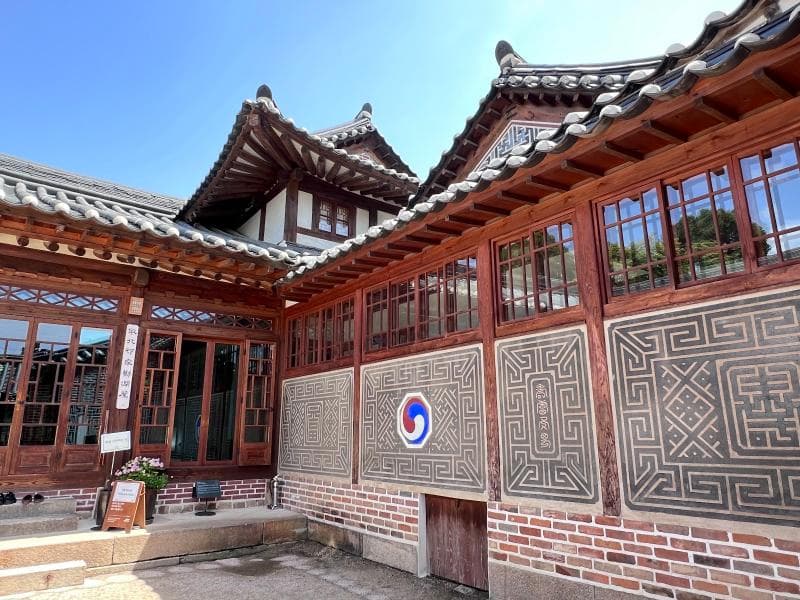
Explore Bukchon Hanok Village in Seoul, South Korea, a preserved residential area with traditional hanok houses, rich history, and cultural experiences.
Overview
Tucked away amidst the modern metropolis of Seoul, South Korea, lies the Bukchon Hanok Village, a captivating enclave that transports visitors back to a bygone era. Literally meaning 'Northern Village', this historic neighborhood earned its name from its location north of the Cheonggyecheon Stream and Jongno, nestled between the grand palaces of Gyeongbokgung and Changdeokgung. Unlike other traditional villages that have been recreated for tourism, Bukchon Hanok Village is a genuine residential area, where hundreds of traditional Korean houses, known as hanoks, stand shoulder to shoulder.
Today, while many hanoks continue to serve as private homes, a significant number have been lovingly transformed into cultural centers, quaint guesthouses, inviting restaurants, and serene tea houses. This unique blend offers a living museum experience, allowing travelers to not only admire the architecture but also to immerse themselves in traditional Korean culture. Walking its charming, winding alleys provides a rare glimpse into Seoul's 600-year history, making it an essential destination for those seeking a deeper understanding of the city's heritage.
History & Cultural Background
The origins of Bukchon Hanok Village trace back over six centuries to the Joseon Dynasty. During this prosperous period, the village was the exclusive residential quarter for high-ranking government officials and nobility. Its strategic position, nestled between the two royal palaces, and its favorable 'feng-shui' (geomancy) made it a highly desirable address for influential families.
The village's character saw significant transformation in the 1930s, particularly during the Japanese colonial period. Amidst rapid urbanization and a burgeoning housing shortage in Seoul, a Korean real estate developer named Jeong Se-gwon played a pivotal role in preserving the area's Korean identity. He intentionally acquired land and constructed numerous modernized hanoks, adapting traditional architectural styles to urban living. These hanoks often featured new materials like glass doors and galvanized iron eaves, demonstrating an evolution of design while retaining their distinct Korean aesthetic. Jeong Se-gwon's efforts were not merely commercial; they were also a means to resist Japanese encroachment and fund Korean nationalist endeavors.
Through the decades, as Seoul modernized, the value of these traditional structures was rediscovered. Today, Bukchon stands as a testament to these preservation efforts, embodying the rich history and cultural resilience of Korea.
What Makes It Special
What truly sets Bukchon Hanok Village apart is its authenticity as a living historical district. Unlike many reconstructed historical sites, Bukchon remains a vibrant residential neighborhood where real families continue to reside in their hanoks. This provides an unparalleled opportunity to observe traditional Korean urban life in an active, breathing environment. The village serves as a unique bridge between Seoul's ancient past and its dynamic present, with traditional tiled roofs often contrasted against the backdrop of modern skyscrapers.
The architectural characteristics of Bukchon's hanoks are also particularly special. While rooted in Joseon Dynasty traditions, many of the houses reflect adaptations made in the early 20th century. These 'urban hanoks' efficiently utilized standardized materials and construction methods to accommodate a growing population, yet they skillfully maintained the charm and essence of traditional Korean architecture. This fusion of historical context with practical evolution offers a distinctive insight into the country's architectural heritage.
Stories, Fun Facts & Local Details
Beyond its visual appeal, Bukchon Hanok Village is rich with cultural narratives. The design of hanoks, with their natural materials like wood, stone, clay, and paper, often reflects a deep connection to nature and traditional Korean philosophy. Many were constructed by master carpenters using simple hand tools, often without nails for the main structural joints. The internal division of space within a hanok could also subtly indicate the social roles of men and women, reflecting Confucian societal structures.
A fascinating aspect of hanok architecture is its integrated passive climate control systems. The 'maru,' a raised wooden floor, allowed for cooling air circulation during Korea's humid summers, while 'ondol,' an ingenious underfloor heating system, provided warmth during harsh winters using wood smoke.
Visitors can delve deeper into these traditions through various cultural experiences available in the village. Many hanoks now host workshops where you can learn traditional crafts, such as making Hanji paper boxes, creating gold leaf bookmarks, or experiencing a traditional Korean tea ceremony. The Bukchon Traditional Culture Center, housed in a beautifully restored hanok that was once home to the powerful Min family, offers free walking maps and valuable insights into hanok architecture and the village's history. For those who love capturing memories, the 'Eight Scenic Views of Bukchon' provide iconic photo opportunities, and renting a 'hanbok' (traditional Korean dress) for a stroll through the village is a popular and memorable activity.
Visitor Perspective
Exploring Bukchon Hanok Village is a journey best taken slowly, allowing oneself to get lost in its charming maze of uphill streets and winding alleys. It's important to remember that this is not a theme park but an active community, and visitors are kindly asked to practice 'silent tourism' to respect the privacy and daily lives of the residents. This includes keeping noise to a minimum, especially near homes.
To manage visitor flow and ensure resident comfort, certain alleys within Bukchon now have restricted visiting hours, typically from 10:00 am to 5:00 pm. While there's no entrance fee to simply wander the streets, individual experience programs, such as craft workshops or tea ceremonies, may have their own costs. It's advisable to wear comfortable shoes as the village features steep roads and uneven pavements. Starting your visit at the Bukchon Traditional Culture Center is highly recommended to pick up a free map and gain initial orientation, ensuring a richer and more respectful experience of this extraordinary historical gem in the heart of Seoul.
Coordinates: 126.983256, 37.582178
View on Google Maps💬 How Travelers Describe This Place
Based on community votes
Must See
726Beautiful
717Photogenic
449Unique
335Interesting
22
Traveler Stories
Discover memorable experiences shared by travelers who have visited this place.
No traveler stories yet.
Be the first traveler to share what made this place memorable.
Things to see at Bukchon Hanok Village



Tour
By
Spot
Discover amazing places around the world. Your journey starts here.
Explore
© 2026 TourBySpot. All rights reserved.