Gahoe Museum
Seoul, South Korea
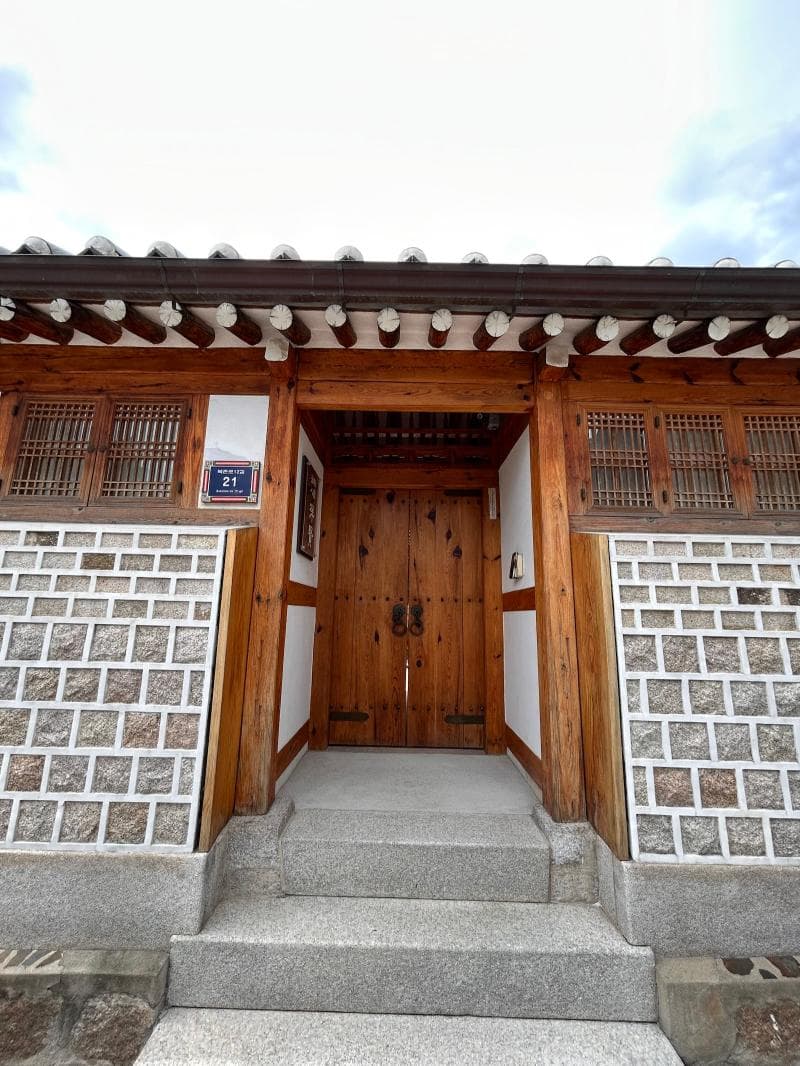
Discover Gahoe Museum in Seoul's Bukchon Hanok Village, an intimate space showcasing Korean folk paintings and amulets for a deep cultural dive.
Overview
Tucked away amidst the charming traditional Korean houses, known as hanok, in Seoul's historic Bukchon Hanok Village, lies the Gahoe Museum. This intimate private museum offers a captivating glimpse into the heart of Korean folk art and beliefs. Opened in 2002, it serves as a repository for an extensive collection of folk paintings, religious amulets, and classical books, reflecting the everyday lives and deeply held wishes of Korean people from bygone eras. Visiting Gahoe Museum is not just about seeing artifacts; it's an immersion into the stories and artistic expressions that shaped Korean culture.
Housed within a beautifully preserved hanok, the museum itself is an integral part of the experience, allowing visitors to connect with the past in an authentic setting. It provides a serene escape from the bustling city, inviting curious travelers to explore the rich tapestry of Korean traditions and artistry.
History & Cultural Background
The Gahoe Museum was established in 2002, originating from the private collection of Yoon Yeolsu, a dedicated art connoisseur. Its foundation was driven by a desire to preserve and share Korea's unique folk heritage, which often went overlooked in mainstream art circles. The museum's collection boasts over 1,500 to 2,000 items, a significant portion of which includes around 750 to 800 amulets, 250 to 700 folk paintings, approximately 150 classical books, and various other traditional materials.
These artifacts collectively tell the story of the Korean common people, known as 'minjung,' during the Joseon Dynasty. Folk paintings, or 'minhwa,' were not merely decorative; they were expressions of hope, humor, and sometimes even satire, often depicting scenes from daily life, religious beliefs, or symbols believed to bring good fortune or ward off evil. Amulets, or 'bucha,' were equally significant, used for protection, wish-granting, and embodying various folk religious practices. The museum's traditional hanok structure, with its Joseon era architectural features, further deepens this historical connection, providing an authentic backdrop for the exhibits.
What Makes It Special
What sets Gahoe Museum apart is its unwavering focus on 'minhwa' and 'bucha,' art forms that are deeply rooted in the collective consciousness and daily lives of historical Korean society. Unlike more formal, academic art, folk paintings often exhibit an unconventional composition and a vibrant, uninhibited use of color, reflecting the raw emotions and practical concerns of the people. The museum's collection provides a comprehensive overview of centuries of Korean history and culture through these often whimsical and deeply meaningful pieces.
Beyond passive viewing, the museum actively engages visitors through various hands-on programs and workshops. These activities include making traditional fans, stamping wish charms, ink rubbing, or even trying your hand at folk painting on coasters or fans. These interactive experiences allow for a more personal connection to the art and a deeper understanding of the techniques and cultural significance behind each piece, making learning both enjoyable and memorable. The museum's setting within a traditional hanok gallery further enhances its special appeal, offering an authentic cultural immersion that transports visitors back in time.
Stories, Fun Facts & Local Details
The items at Gahoe Museum are rich with fascinating stories and cultural nuances. For instance, many of the folk paintings are not signed by their artists, reflecting their purpose as communal expressions rather than individual masterpieces. They depict mythical creatures thought to protect homes, scenes of daily life, or stylized characters conveying Confucian virtues. The amulets, often small and intricately designed, were once carried by people or affixed to doorways to invite prosperity, ensure a safe journey, or ward off illness and misfortune. It's a testament to the hopes and anxieties of ordinary people.
Among the collections, visitors can find roof tiles shaped like humans or goblins, which were believed to guard against evil spirits. These seemingly small details offer profound insights into the spiritual landscape of ancient Korea. The museum's location in Bukchon Hanok Village itself is a 'street museum,' where every alley and building holds a piece of history. Walking through the village to reach Gahoe Museum, one truly steps into a living cultural exhibit.
Visitor Perspective
For any traveler exploring Bukchon Hanok Village, a visit to Gahoe Museum provides a unique and enriching experience. It's a chance to step away from the grandeur of palaces and instead connect with the intimate artistic expressions of the common people. The tranquil atmosphere inside the hanok museum, contrasted with the vibrant colors of the artworks, creates a reflective and engaging environment. Whether you choose to simply admire the exhibits or participate in a folk art workshop, the museum offers a meaningful cultural encounter.
Practical details for planning your visit include knowing that the museum is closed on Mondays. Operating hours are generally from 10:00 to 18:00 between March and November, and from 10:00 to 17:00 from December to February, with last admission usually 40 minutes before closing. The entrance fee is typically 5,000 won. Engaging in a hands-on activity can be particularly rewarding, allowing you to create your own piece of Korean folk art as a cherished souvenir and a deeper appreciation for the traditions preserved within these walls.
Coordinates: 126.98524, 37.58155
View on Google Maps💬 How Travelers Describe This Place
Based on community votes
Unique
623Photogenic
545Interesting
343Beautiful
302Must See
88
Traveler Stories
Discover memorable experiences shared by travelers who have visited this place.
No traveler stories yet.
Be the first traveler to share what made this place memorable.

Tour
By
Spot
Discover amazing places around the world. Your journey starts here.
Explore
© 2026 TourBySpot. All rights reserved.