Samcheong-dong Alley
Seoul, South Korea
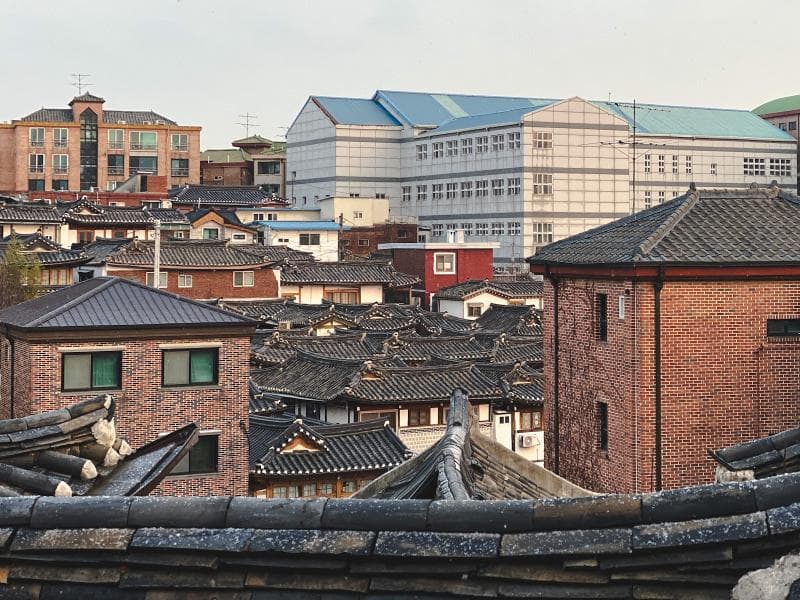
Explore Samcheong-dong Alley in Seoul, South Korea, a charming neighborhood blending traditional hanok with modern art, cafes, and unique shops. Discover history and culture.
Overview
Nestled quietly in the heart of Seoul, South Korea, Samcheong-dong Alley offers a captivating blend of old and new. This picturesque neighborhood, part of the larger Bukchon Hanok Village, lies elegantly situated north of Jongno and directly east of the majestic Gyeongbokgung Palace. Often described as an upscale area, Samcheong-dong is renowned for its unique atmosphere, where traditional Korean hanok architecture harmoniously coexists with contemporary art galleries, chic cafes, and distinctive shops. It provides a serene escape from the city's bustling pace, inviting travelers to wander its charming streets and discover its many hidden gems. Many of its traditional residential houses have been thoughtfully transformed into inviting cafes and boutiques, creating a truly one-of-a-kind urban landscape. [5, 11]
History & Cultural Background
The name 'Samcheong-dong' itself carries a rich historical resonance, translating to 'three clean' – 'sam' meaning three and 'cheong' meaning clean or good. This etymology refers to the area's three prized elements: clean mountains, clear water, and a pure community or people. Another fascinating theory suggests its origin from the ancient Samcheongjeon Hall, a site where three significant Taoist tablets were once enshrined. [2, 4, 6]
During the Joseon Dynasty, from 1392 to 1897, Samcheong-dong emerged as a highly esteemed residential enclave within the broader Bukchon area. Its prime location, particularly its proximity to Gyeongbokgung Palace, made it a favored dwelling for high-ranking officials and nobility. The area's auspicious feng shui, characterized by its southward-flowing streams from the surrounding mountains, further solidified its status as an ideal settlement according to Joseon geomantic principles. [6, 12] The traditional hanok houses found here, some dating back to the Joseon era, exemplify Korean vernacular architecture adapted to hilly urban settings. While preserving their classic features, many hanok in Samcheong-dong and Bukchon underwent adaptations in the 1930s, incorporating new materials to suit the evolving urban structure. This historical layering has contributed to the neighborhood's distinctive character, making it a living testament to Seoul's past. [12]
What Makes It Special
Samcheong-dong's undeniable charm lies in its seamless fusion of tradition and modernity. It stands apart with its eclectic mix of traditional hanok homes alongside vibrant, contemporary art galleries, fashionable cafes, and curated shops. Unlike many commercial districts, Samcheong-dong proudly hosts a plethora of small, unique, and independently owned establishments, offering a refreshing alternative to chain stores. [2, 3, 5] This artistic spirit is palpable throughout the area, with numerous galleries and museums turning the neighborhood into a dynamic cultural hub where art is woven into the fabric of everyday life. [7, 17] The area's natural beauty is enhanced by its tree-lined streets, particularly the ginkgo trees along Samcheongdong-gil, which present breathtaking seasonal vistas, especially during the autumn months. [3, 11] Its strategic location, nestled between the grand Gyeongbokgung Palace and the serene Changdeokgung Palace, further accentuates its historical and aesthetic appeal, offering panoramic views of Bukchon Hanok Village and even the distant Cheong Wa Dae (Blue House) from certain vantage points. [5, 21]
Stories, Fun Facts & Local Details
Beyond its visual appeal, Samcheong-dong is rich with local stories and delightful details. For instance, Samcheong Park, situated at the upper end of Samcheongdong-gil, holds the distinction of being one of Korea's first designated parks, established in 1940. [5] Culinary enthusiasts often seek out Samcheong-dong Sujebi, a beloved restaurant celebrated for its traditional hand-pulled noodle soup, a local favorite for generations. [2, 3] Another culinary and cultural highlight is Cha-teul, a hanok-style cafe that offers a tranquil retreat for enjoying traditional teas and desserts within a serene, historical setting. [2]
The alleys and streets of Samcheong-dong have also gained fame as filming locations for various popular Korean dramas and movies, drawing fans who wish to walk in the footsteps of their favorite characters. [21] A common sight here is visitors dressed in colorful Hanbok, traditional Korean attire, taking advantage of the picturesque backdrops offered by the hanok and palaces for memorable photos. [2, 11] From the higher points within Bukchon Hanok Village, visitors are treated to a charming bird's-eye view of Samcheong-dong below, showcasing the intricate tile roofs against the city skyline. [3]
Visitor Perspective
For those seeking a tranquil yet culturally rich experience, Samcheong-dong Alley offers an ideal destination. It provides a unique opportunity to step away from the urban clamor and immerse oneself in a more relaxed, almost small-town ambiance that is rare in a bustling metropolis like Seoul. [2, 5] Exploring the neighborhood involves delightful leisurely strolls through its hilly streets and narrow alleyways, where every turn reveals a new gallery, a quaint cafe, or a distinctive boutique. [3, 5, 7] While weekends can draw crowds, the area's inherent charm and artistic atmosphere consistently make it a worthwhile visit. [5]
Travelers are advised to wear comfortable walking shoes to navigate the charming, often inclined paths effectively. To enhance the exploration experience, using local Korean navigation apps like Naver Maps can be more effective than international alternatives, as they often provide more detailed and accurate directions within the intricate street network. [7] The neighborhood is conveniently accessible, with Anguk Station serving as a common starting point for many visitors, making it an easy addition to any Seoul itinerary. [5, 13]
Coordinates: 126.982056, 37.585383
View on Google Maps💬 How Travelers Describe This Place
Based on community votes
Must See
996Beautiful
726Unique
717Interesting
335Photogenic
22
Traveler Stories
Discover memorable experiences shared by travelers who have visited this place.
No traveler stories yet.
Be the first traveler to share what made this place memorable.

Tour
By
Spot
Discover amazing places around the world. Your journey starts here.
Explore
© 2026 TourBySpot. All rights reserved.