Traditional Workshops
Seoul, South Korea
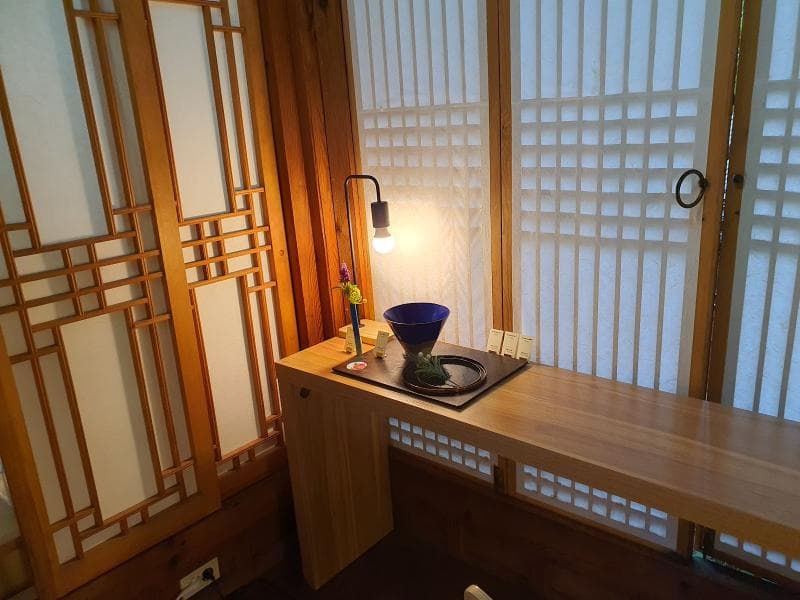
Discover Traditional Workshops in Seoul's Bukchon Hanok Village, offering authentic hands-on Korean craft experiences. Learn history and culture.
Overview
Nestled amidst the bustling metropolis of Seoul, South Korea, the Bukchon Hanok Village offers a serene journey back in time. This historic neighborhood, situated between the grand palaces of Gyeongbokgung and Changdeokgung, is a living testament to Korea's rich cultural heritage, with hundreds of traditional Korean houses, known as hanok, dating back to the Joseon Dynasty. While simply wandering its charming alleys is an experience in itself, the village truly comes alive through its Traditional Workshops, providing visitors a unique opportunity for immersive cultural engagement. These workshops are not merely tourist attractions but vibrant centers where age-old Korean craftsmanship is preserved and shared, inviting curious travelers to learn and create.
History & Cultural Background
Bukchon Hanok Village, whose name literally translates to 'northern village,' was historically home to high-ranking government officials and nobility during the Joseon Dynasty (1392-1897). Unlike other traditional villages that have been relocated or reconstructed, Bukchon has remained a residential area, continuously inhabited for over 600 years. The traditional workshops found here are a direct link to a significant part of this history: the Gyeonggongbang. These were royal workshops that, during the Joseon Dynasty, produced exquisite handcrafted items for the royal court. The spirit and expertise of these ancient artisans are kept alive today in places like the Bukchon Traditional Crafts Experience Center, which acts as a focal point for the neighborhood's cultural life. Efforts to preserve these hanok and their associated crafts began during Seoul's rapid redevelopment, ensuring that this precious heritage would not be lost.
What Makes It Special
What sets Bukchon's Traditional Workshops apart is their commitment to hands-on, authentic cultural immersion. Rather than merely observing artifacts behind glass, visitors can actively participate in the creation of traditional Korean crafts. The Bukchon Traditional Crafts Experience Center, for instance, offers a diverse array of programs designed for international visitors, allowing them to engage directly with Korean aesthetics and symbolism. You might find yourself learning the intricate art of Korean decorative knotting to create a beautiful norigae ornament, or perhaps crafting small items like mirrors and accessories. Other popular workshops include traditional paper (hanji) making, calligraphy, and tea ceremonies. The village also hosts specialized studios where you can try your hand at gold leaf imprinting (Kum Bak Yeon), embroidery, or even woodcraft, creating traditional masks ('dal') or identification tags ('hopae'). These experiences are often led by master artisans, providing not just a craft, but a story and a deeper understanding of Korean culture.
Stories, Fun Facts & Local Details
The workshops in Bukchon offer a tangible connection to Korea's past, often delving into the stories behind each craft. For instance, you could create a keyring shaped like a 'gat,' the iconic horsehair hat once worn by aristocratic men, or carve a 'hopae,' the wooden identification tag used by adults during the Joseon era. Learning these crafts within a traditional hanok setting adds another layer to the experience, allowing you to appreciate the architectural beauty and serene atmosphere that historically fostered such artistry. Imagine the quiet concentration as you learn the precise brushstrokes of Korean calligraphy or the delicate process of applying gold leaf. These details transform a simple craft session into a meaningful cultural encounter. The expansion of these programs, with over 46 distinct workshops now available, signifies a conscious effort to keep these traditions vibrant and accessible, treating the neighborhood's heritage as a living practice rather than just a historical relic.
Visitor Perspective
For many travelers, participating in a traditional workshop in Bukchon Hanok Village is a highlight of their trip to Seoul. The programs are often designed with international visitors in mind, offering clear English guidance and patient instruction, making them suitable for all ages and skill levels. Fees are generally affordable, ranging from approximately ₩5,000 to ₩30,000, and include materials, allowing you to take home a handcrafted souvenir. It's important for visitors to remember that Bukchon is still a residential neighborhood, so respect for the local residents is paramount. This includes maintaining low noise levels and adhering to designated visiting hours, typically from 10:00 AM to 5:00 PM, for certain alleys. These workshops provide a calm, focused moment amidst a busy travel itinerary, offering a unique opportunity to immerse oneself in Korean culture through creation rather than just observation.
Coordinates: 126.98325613083675, 37.58217791585307
View on Google Maps💬 How Travelers Describe This Place
Based on community votes
Photogenic
898Unique
618Beautiful
449Interesting
308Must See
22
Traveler Stories
Discover memorable experiences shared by travelers who have visited this place.
No traveler stories yet.
Be the first traveler to share what made this place memorable.

Tour
By
Spot
Discover amazing places around the world. Your journey starts here.
Explore
© 2026 TourBySpot. All rights reserved.