Bukchon Cultural Center
Seoul, South Korea
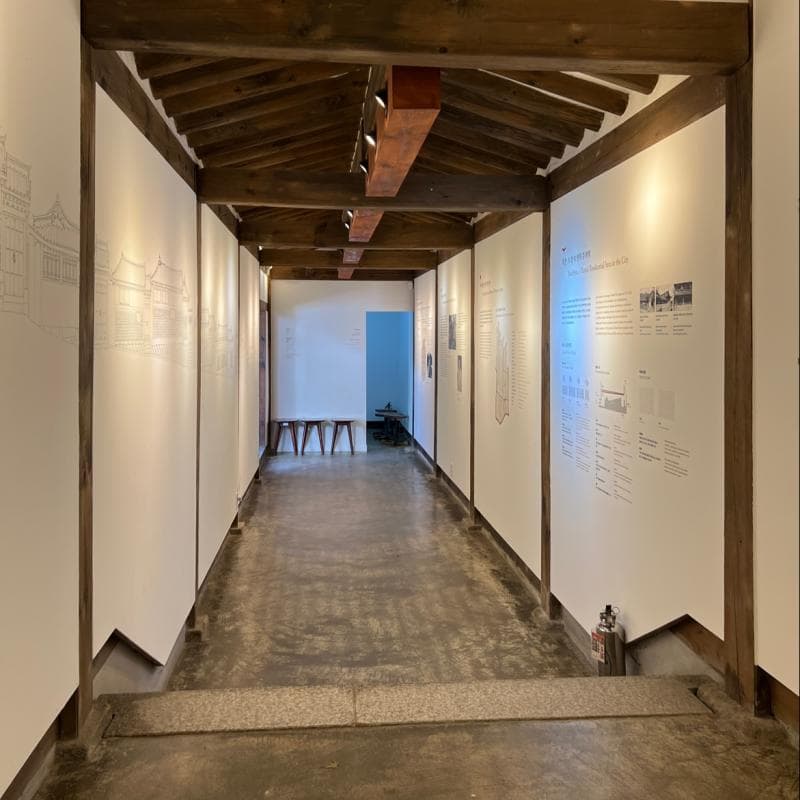
Explore Bukchon Cultural Center in Seoul, South Korea, to discover traditional hanok architecture, history, and engaging cultural experiences.
Overview
Nestled within the timeless alleys of Bukchon Hanok Village in Seoul, South Korea, the Bukchon Cultural Center stands as a beacon of traditional Korean heritage. This exquisite hanok, or traditional Korean house, serves as a comprehensive complex dedicated to preserving and promoting the rich history and cultural essence of its surrounding village. It’s not merely a museum but a vibrant space where visitors can immerse themselves in the legacy of the Joseon Dynasty. Operating as a multipurpose center, it offers valuable educational insights and engaging cultural experiences, making the past feel tangible and alive. Admission to the center itself is typically free, though certain hands-on programs may require a fee, inviting curious travelers to explore without an initial cost barrier.
History & Cultural Background
The story of the Bukchon Cultural Center is deeply intertwined with the six-century-long history of Bukchon Hanok Village. This 'northern village' was historically the esteemed residential quarter for high-ranking government officials and the aristocracy during the Joseon Dynasty, strategically positioned between the grand palaces of Gyeongbokgung and Changdeokgung. The building housing the Cultural Center itself is a testament to this rich past, being a beautifully preserved modern hanok dating back over a century. Originally, it was a private residence, once owned by the influential Min family, who played a significant role in the finances of the late Joseon era. After its acquisition by the city of Seoul, the hanok was thoughtfully repurposed and reopened on October 29, 2002, as the Bukchon Traditional Culture Center. Its establishment was a direct result of the 'Bukchon Plan' initiated in 2001, a city government endeavor to safeguard and maintain the original hanok structures against modernization. Today, it holds the distinction of being Registered Cultural Heritage No. 229, with ongoing research even delving into whether it was originally the residence of Min Hyeong-gi or perhaps his wife, Yu Jin-gyeong.
What Makes It Special
The Bukchon Cultural Center distinguishes itself by offering a window into the intricacies of Korean traditional life and architecture. Inside, the exhibition hall, once the annex or 'haengrangchae', provides detailed information about the village's history and geography. It illustrates the unique construction process of a hanok and sheds light on the lives of the diverse individuals – from common citizens to government officials and artists – who once called this village home. Furthermore, it showcases the delicate process of hanok renovation, highlighting the continuous effort to maintain these historical structures. Beyond its informative displays, the center is a hub for cultural engagement. It hosts a variety of classes and lectures, allowing visitors to delve into traditional Korean arts such as calligraphy, the art of the tea ceremony, and the narrative musical drama 'pansori'. Traditional craft workshops are also frequently held, providing a hands-on connection to Korean heritage. The center often stages cultural events, including movie screenings and concerts, fostering a dynamic environment that blends education with entertainment. It stands as a unique complex that harmoniously blends the 600-year legacy of Joseon Dynasty alleys with contemporary facilities, offering a genuinely immersive cultural experience.
Stories, Fun Facts & Local Details
Imagine stepping into a place where every beam and tile whispers tales of the past. The Bukchon Cultural Center, located in a house once belonging to a family at the heart of Joseon Dynasty finance, connects you directly to the daily lives of those who shaped Korea's history. The very name 'Bukchon' meaning 'northern village', tells a geographical story, marking its position north of Seoul's significant Cheonggyecheon Stream and Jongno area. Within the center's structure, you can find a fascinating layout comprising a main building, outer quarters, an annex, and what was once a shrine, now transformed into a serene pavilion for visitor relaxation. The 'daecheongmaru', a traditional wood-floored hall, is frequently utilized for various cultural experience programs, where the past comes alive through interaction. The Public Information Hall, ingeniously situated in what were once the servants' quarters, not only presents promotional materials but also screens engaging videos that underscore the critical importance of preserving Bukchon's unique cultural landscape. Visitors can partake in interactive activities, from learning Korean calligraphy to trying their hand at the 'Gayageum', a traditional Korean zither, or even crafting delicate flower teas. These experiences offer memorable keepsakes and a deeper appreciation for Korean traditions.
Visitor Perspective
For any traveler eager to peel back the layers of modern Seoul and discover its historical heart, the Bukchon Cultural Center offers a profound entry point. It's an excellent starting point for exploring Bukchon Hanok Village, providing a free walking guide map to help navigate the enchanting alleys. The center serves as a comprehensive introduction to the village, curating a journey through a restored hanok by the Seoul Museum of History. As you explore, remember that Bukchon is a living village, home to actual residents, so mindfulness and respect for their privacy are paramount. The center welcomes visitors typically from 9:00 AM, with closing times varying between 5:00 PM and 8:00 PM depending on the day, and is usually closed on Mondays. Located conveniently at 37 Gyedong-gil, Jongno-gu, it's easily accessible via public transport, a short walk from Anguk Station (Subway Line 3, Exit 3). This peaceful and scenic environment is ideal for those seeking to understand Seoul's cultural roots and enjoy an authentic traditional Korean experience, offering a unique blend of history, culture, and tranquility.
Coordinates: 126.986616, 37.579055
View on Google Maps💬 How Travelers Describe This Place
Based on community votes
Must See
872Beautiful
684Unique
363Interesting
250Photogenic
88
Traveler Stories
Discover memorable experiences shared by travelers who have visited this place.
No traveler stories yet.
Be the first traveler to share what made this place memorable.

Tour
By
Spot
Discover amazing places around the world. Your journey starts here.
Explore
© 2026 TourBySpot. All rights reserved.