Tea Houses
Seoul, South Korea
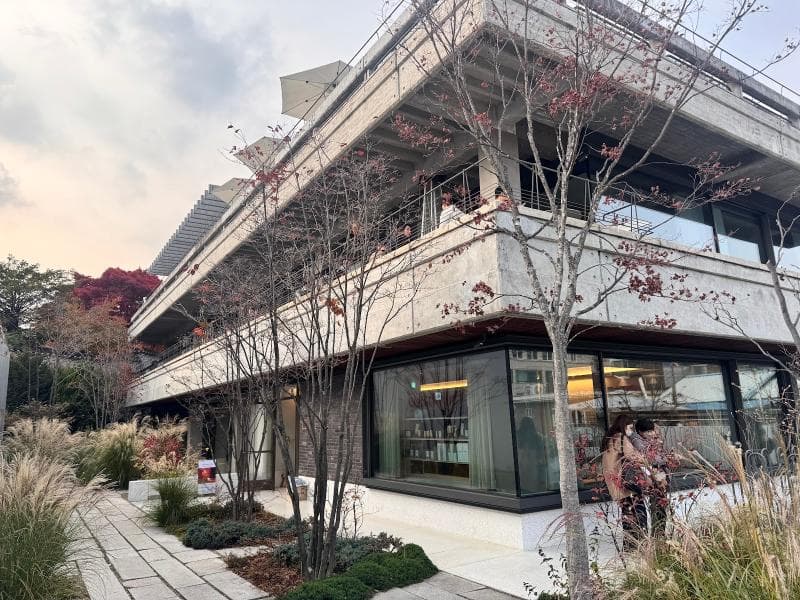
Discover traditional Tea Houses in Bukchon Hanok Village, Seoul, South Korea. Experience authentic Korean tea culture in historic hanok settings.
Overview
Nestled in the heart of Seoul, South Korea, Bukchon Hanok Village is a captivating historical neighborhood renowned for its perfectly preserved traditional Korean houses, known as hanok. More than just a collection of ancient dwellings, this picturesque village offers a unique glimpse into Joseon Dynasty life. Amidst its charming alleyways and traditional architecture, visitors will discover a delightful array of tea houses. These establishments provide a serene escape and a profound cultural experience, allowing one to step back in time and savor the timeless ritual of Korean tea. Many of these hanoks have been lovingly converted into tea rooms, museums, and cultural centers, ensuring that the village remains a vibrant hub for traditional Korean culture.
History & Cultural Background
Bukchon Hanok Village boasts a rich history, dating back nearly 600 years to the Joseon Dynasty. It was historically the residential quarter for high-ranking government officials and nobility, nestled strategically between Gyeongbokgung and Changdeokgung Palaces. While many traditional homes in Seoul were demolished to make way for modern developments, Bukchon's hanoks were largely preserved through dedicated local efforts and government initiatives in the latter half of the 20th century. The tea houses within these hanoks are not merely commercial spaces; they are living testaments to Korean traditions. Tea culture in Korea is deeply intertwined with notions of health, tranquility, and hospitality. For centuries, sharing tea has been a way to connect, relax, and appreciate the simple beauty of life. Visiting a tea house in Bukchon offers a unique opportunity to immerse oneself in this heritage, experiencing Korean customs within the authentic architectural context of a hanok.
What Makes It Special
What sets the tea houses of Bukchon Hanok Village apart is their harmonious blend of authentic traditional Korean architecture and a focus on the ancient art of tea. Unlike modern cafes, these tea houses are often set within beautifully restored hanoks, complete with intricate wooden structures, traditional courtyards, and scenic views, sometimes even overlooking the village rooftops or distant mountains. Inside, many feature traditional seating arrangements with cushions on heated wooden floors, inviting guests to relax in true Korean style. The menu typically features a diverse selection of traditional Korean teas, each with its unique flavor and often associated health benefits. Popular choices include Jujube Tea, known for its digestive properties; the robust, herbal Ssanghwa Tea, historically connected to Korean royal morning rituals; refreshing Omija Cha (Five Flavor Tea); and delicate flower teas and green teas like Woojeon. These beverages are often accompanied by traditional Korean snacks such as chewy pumpkin rice cakes or sweet red bean bingsu, creating a delightful culinary experience.
Stories, Fun Facts & Local Details
Among the notable tea houses, Cha-teul Traditional Tea House stands out, with some sources suggesting it is around 100 years old. This venerable establishment is celebrated for its picturesque mountain views and traditional floor seating. Another popular spot, Osulloc Tea House Bukchon, offers a slightly more contemporary take on tea culture while still being housed within a hanok. It is known for its high-quality matcha, sourced from Jeju Island, and its innovative tea cocktails and desserts. Osulloc also provides stunning views of the surrounding hanok rooftops from its multi-story interior. Tea Therapy is another unique tea house that doubles as a cultural space, sometimes offering tea classes and even foot baths. The very act of sipping a carefully prepared traditional tea in a hanok is a connection to history, offering a moment of quiet contemplation away from the city's hustle and bustle. The intricate preparation of some teas, like Ssanghwa Tea, which can be boiled for up to 14 hours, highlights the dedication to traditional methods and the belief in tea's medicinal qualities.
Visitor Perspective
For the curious traveler, visiting a tea house in Bukchon Hanok Village is an essential part of the experience. It offers a peaceful respite after exploring the village's steep alleyways and historical sites. The serene atmosphere, often enhanced by traditional Korean music, encourages a slower pace, allowing visitors to truly unwind and absorb the cultural surroundings. It's an opportunity to engage with Korean heritage in a tangible way, from appreciating the architectural nuances of a hanok to understanding the nuances of different teas. Many visitors recommend arriving during quieter hours to fully appreciate the tranquility and charm of these intimate spaces. Whether you're trying a rich herbal blend, a delicate green tea, or a sweet rice cake, the experience is designed to be immersive and restorative. Consider taking off your shoes and sitting on the floor cushions, just as Koreans have done for generations, to fully embrace this unique cultural tradition.
Coordinates: 126.98325613083675, 37.58217791585307
View on Google Maps💬 How Travelers Describe This Place
Based on community votes
Beautiful
853Interesting
639Photogenic
569Must See
190Unique
93
Traveler Stories
Discover memorable experiences shared by travelers who have visited this place.
No traveler stories yet.
Be the first traveler to share what made this place memorable.

Tour
By
Spot
Discover amazing places around the world. Your journey starts here.
Explore
© 2026 TourBySpot. All rights reserved.