Twin Peaks
San Francisco, United States
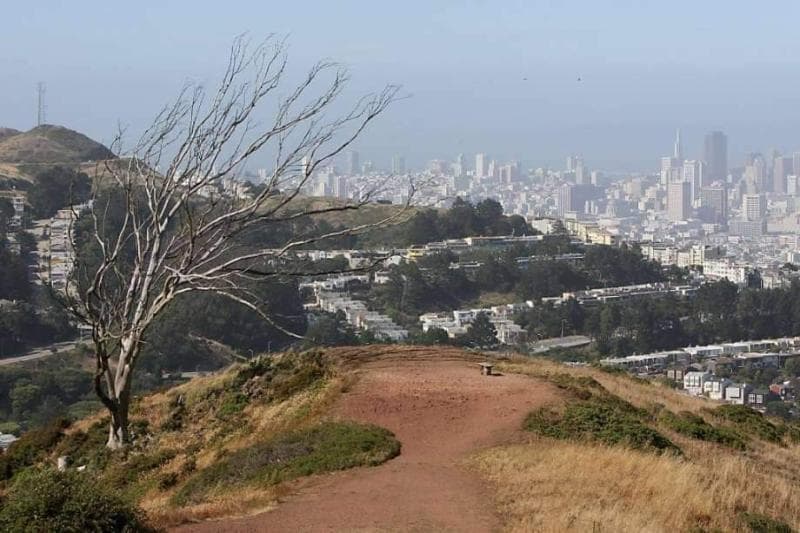
Discover Twin Peaks in San Francisco, United States. Enjoy stunning 360-degree views, rich history, unique wildlife, and cultural insights from this iconic landmark.
Overview
Perched near the geographic center of San Francisco, California, the Twin Peaks offer a truly spectacular vantage point of the city, its iconic bay, and the vast Pacific Ocean beyond. These two prominent hills rise approximately 925 feet (282 meters) above sea level, making them the second and third highest natural points within San Francisco, just slightly out-measured by Mount Davidson.
Known individually as 'Eureka Peak' (North Peak) and 'Noe Peak' (South Peak), these sister summits are separated by about 660 feet and collectively form a significant natural landmark. They are an integral part of a larger 64-acre natural area, welcoming visitors year-round from 5 AM to midnight, free of charge.
History & Cultural Background
The history of Twin Peaks stretches back long before its modern designation. Indigenous Ohlone people are believed to have utilized these elevated points as lookouts or hunting grounds, recognizing their strategic advantage over the peninsula. With the arrival of Spanish conquistadors and settlers in the 18th century, the hills were given the evocative name 'Los Pechos de la Chola,' translating to 'Breasts of the Maiden,' reflecting their distinctive natural shape. It was only after California became part of the United States that the more familiar name, Twin Peaks, was adopted.
A compelling Ohlone legend tells of the peaks once being a single mountain, divided into two by a great spirit following a disagreement between a husband and wife, adding a layer of poignant storytelling to their natural form. Beyond these ancient tales, Twin Peaks has modern cultural significance; since 1995, volunteers annually install the Twin Peaks Pink Triangle during Pride Month, a powerful symbol facing the Castro District. The Muni Metro Twin Peaks Tunnel also runs beneath these hills, an engineering feat connecting downtown San Francisco with the city's southwestern regions.
What Makes It Special
What truly sets Twin Peaks apart is its unparalleled, unobstructed 360-degree panoramic views. Unlike the slightly taller Mount Davidson, which is densely covered in trees, the exposed summits of Twin Peaks offer clear vistas in every direction, providing a truly comprehensive perspective of the Bay Area.
Beyond the visual spectacle, Twin Peaks plays a crucial role in San Francisco's microclimates. These hills act as a natural barrier against the summer coastal fog, influencing weather patterns across the city. The west-facing slopes frequently experience fog and strong winds, while the eastern side often enjoys more sunshine and warmer temperatures. This natural area is also a vital ecological sanctuary, providing one of the last remaining habitats for the endangered Mission Blue Butterfly. Lucky visitors may spot these delicate insects fluttering low to the ground between late March and early July, alongside a diverse array of native flora and other wildlife.
Historically, Twin Peaks has been essential for civic safety. In 1954, following the lessons of the 1906 earthquake and fire, the city constructed the Summit Reservoir here. This substantial 14-million-gallon water holding facility is critical for supplying the Fire Department's independent water system.
Stories, Fun Facts & Local Details
Twin Peaks holds a special place in San Francisco's geography and lore. It is often included among the original 'Seven Hills of San Francisco,' a testament to its long-standing prominence. The popular lookout point, Christmas Tree Point, is said to have earned its name from a promotional Christmas tree lighting event in the 1920s. While you will notice transmission towers atop the peaks, a necessity for urban communication, they subtly blend into the background, rarely detracting from the stunning views.
From this vantage, you can clearly see many of San Francisco's celebrated landmarks. The iconic Golden Gate Bridge, the historic Alcatraz Island, the Bay Bridge, and the downtown skyline, including the Salesforce Tower with its impressive light shows, all unfold before your eyes.
Visitor Perspective
To fully appreciate Twin Peaks, plan your visit strategically. Many travelers suggest arriving around sunrise or sunset for the most breathtaking views and photographic opportunities. Even on foggy days, the diffused light can create a unique and atmospheric experience. Be prepared for the elements; due to its exposed elevation, Twin Peaks is often windier and cooler than other parts of the city. Bringing extra layers, a hat, and sturdy walking shoes is highly recommended, especially if you plan to explore the trails.
Accessing Twin Peaks is straightforward, with options for various preferences. You can drive up via Portola Road to the summit parking lot at Christmas Tree Point, or take the 37 Corbett Muni bus, which stops near the base, allowing for a short hike to the top. While the Burnett Avenue gate is now closed to vehicles, promoting pedestrian and bicycle use, the Portola Drive gate remains open for vehicle access, ensuring the viewpoint is accessible to all. Many visitors spend between 30 minutes to an hour soaking in the views, but a leisurely half-mile walk around the area offers a deeper immersion into this natural wonder, revealing even more spectacular vistas. Visiting at night provides an entirely different, yet equally captivating, perspective of the city's twinkling lights.
Coordinates: -122.447749, 37.7515971
View on Google Maps💬 How Travelers Describe This Place
Based on community votes
Photogenic
685Interesting
446Beautiful
152Unique
33Must See
16
Traveler Stories
Discover memorable experiences shared by travelers who have visited this place.
No traveler stories yet.
Be the first traveler to share what made this place memorable.
Things to see at Twin Peaks



Tour
By
Spot
Discover amazing places around the world. Your journey starts here.
Explore
© 2026 TourBySpot. All rights reserved.