North Peak
San Francisco, United States
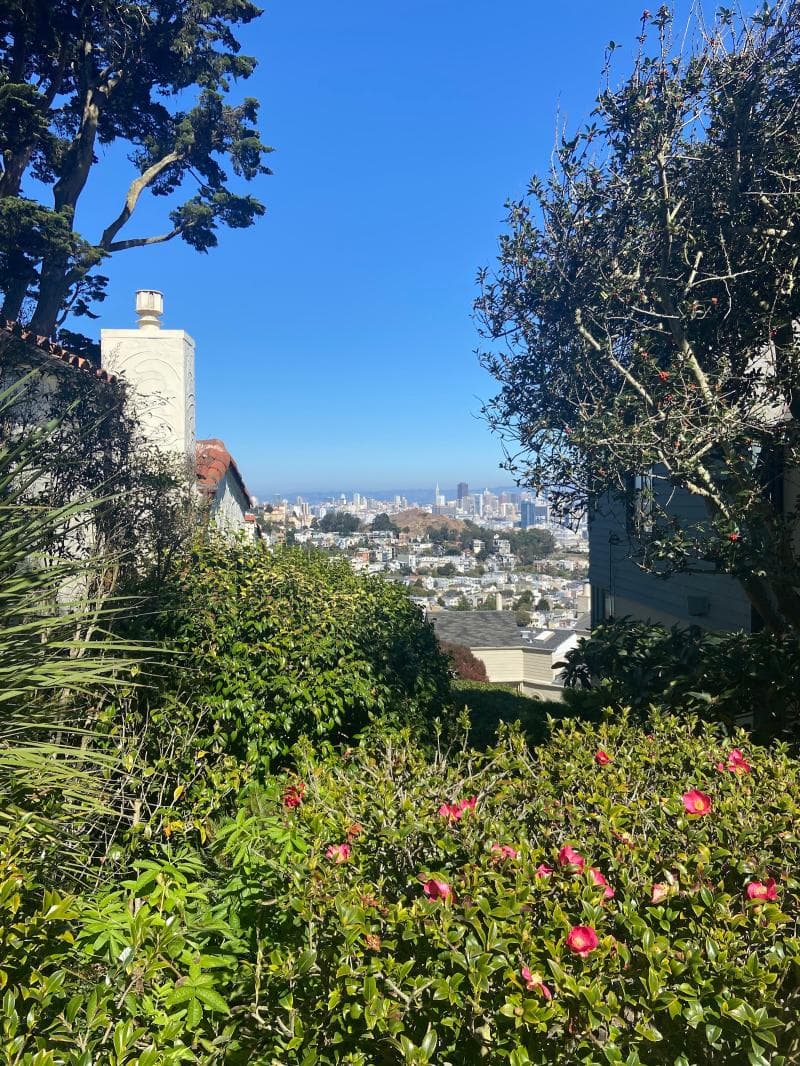
Discover North Peak (Eureka Peak) at Twin Peaks, San Francisco, USA, for breathtaking panoramic views and unique ecological insights into the city.
Overview
North Peak, often identified as Eureka Peak, is one of the iconic Twin Peaks dominating the San Francisco skyline. Rising approximately 922 to 925 feet (282 meters) above sea level, it stands as the city's second highest natural point, just shy of Mount Davidson. Located centrally within San Francisco, North Peak offers an unparalleled 360-degree panoramic vista, drawing both locals and travelers seeking breathtaking views of the city, the expansive San Francisco Bay, and the Pacific Ocean.
As part of the 64-acre Twin Peaks Natural Area, North Peak is not just a viewpoint; it's a vital ecological zone protecting unique flora and fauna. The area is free to visit and open daily from early morning until midnight, providing opportunities to witness San Francisco's beauty from dawn to dusk.
History & Cultural Background
The history of Twin Peaks, and by extension North Peak, stretches back centuries. Long before European settlement, the native Ohlone people utilized these commanding heights as a crucial lookout point over the peninsula. Their deep connection to the land imbues the peaks with an ancient spiritual significance. When Spanish explorers arrived in the 18th century, they christened the pair 'Los Pechos de la Chola,' or 'Breasts of the Maiden,' a name that evocatively described their distinctive shape.
As San Francisco grew, the peaks eventually acquired their modern and more utilitarian name, 'Twin Peaks.' Despite being a prominent landmark, the summit areas have largely remained undeveloped, preserving a natural landscape that offers a glimpse into how San Francisco's hills appeared prior to extensive urbanization. This commitment to preservation ensures that their historical and ecological value endures for future generations.
What Makes It Special
North Peak's primary allure lies in its magnificent, unobstructed views. From its summit, visitors can clearly discern famous landmarks such as the Golden Gate Bridge, the Bay Bridge, Alcatraz Island, and the sprawling downtown skyscrapers, including the impressive Salesforce Tower. Looking west, the vast expanse of the Pacific Ocean and Golden Gate Park unfold, while to the east, Oakland and Berkeley across the Bay are visible.
Beyond the sweeping vistas, North Peak is a haven for unique biodiversity. It is one of the few remaining habitats for the federally endangered Mission Blue Butterfly. These delicate, quarter-sized butterflies rely on native lupine plants found in the coastal scrub and grassland communities for their survival, making conservation efforts here particularly significant. The peaks also play a vital role in the city's microclimate, often acting as a natural barrier that protects eastern neighborhoods from the summer fog rolling in from the Pacific.
Stories, Fun Facts & Local Details
An interesting local detail is the presence of a large reservoir beneath Twin Peaks, built in 1954. This 300-million-gallon facility serves a critical role in San Francisco's fire suppression system, a direct response to lessons learned from the devastating 1906 earthquake and fire. Additionally, the peaks host a scattering of transmission towers used for police and fire department communications, discreetly blending into the landscape while serving essential city functions.
Each June, Twin Peaks becomes the canvas for the annual Pink Triangle installation during Pride Month. This powerful public art piece, composed of thousands of pink tarps, commemorates LGBTQ+ victims of the Holocaust and stands as one of San Francisco's most iconic LGBTQ+ symbols, visible from many parts of the city.
Visitor Perspective
Visiting North Peak is an experience that connects one directly with the grandeur of San Francisco. While many opt to drive to the convenient parking lot at Christmas Tree Point (which is an outcropping on North Peak), the most rewarding views are often found by taking the rugged stairs to the very top. The air at the summit can be surprisingly cold and windy, even on otherwise warm days, so dressing in layers is highly recommended to fully enjoy the panoramic spectacle.
For those seeking a less strenuous approach, the 37-Corbett bus line offers access near the peaks, from which a short walk leads to the viewing areas. While the views are spectacular at any time, a clear day offers the most expansive vistas. However, even on foggy days, witnessing the coastal fog roll over the peaks can be a dramatic and memorable sight, occasionally even allowing visitors to stand above the clouds.
Coordinates: -122.447722, 37.751586
View on Google Maps💬 How Travelers Describe This Place
Based on community votes
Unique
989Beautiful
613Photogenic
603Interesting
581Must See
207
Traveler Stories
Discover memorable experiences shared by travelers who have visited this place.
No traveler stories yet.
Be the first traveler to share what made this place memorable.

Tour
By
Spot
Discover amazing places around the world. Your journey starts here.
Explore
© 2026 TourBySpot. All rights reserved.