Christmas Tree Point
San Francisco, United States
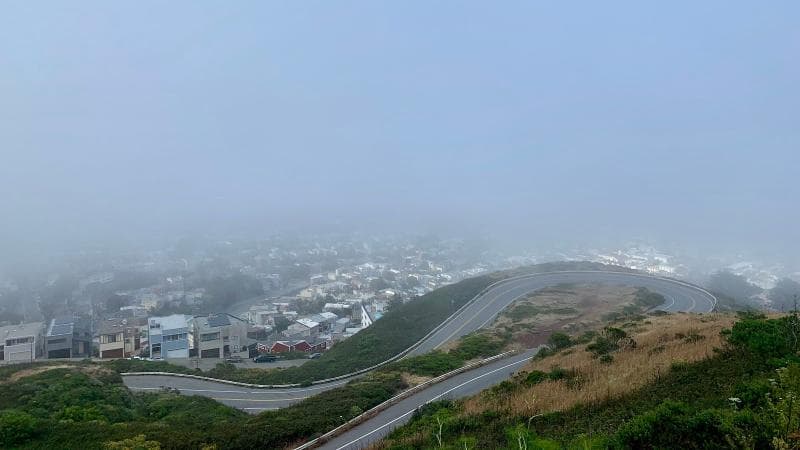
Discover Christmas Tree Point, a stunning overlook on Twin Peaks in San Francisco, United States. Enjoy panoramic views and rich history.
Overview
Perched within the iconic Twin Peaks of San Francisco, Christmas Tree Point offers an unparalleled vantage point for experiencing the city's breathtaking beauty. This well-known overlook, situated on the northern summit, provides expansive panoramic views that sweep across downtown San Francisco, the shimmering Bay Bridge, the majestic Golden Gate Bridge, and the historic islands of Alcatraz and Angel Island. While not the absolute highest point, its strategic location approximately 70 feet below the summit ensures unobstructed vistas, making it a favorite stop for both first-time visitors and seasoned locals. It serves as a gateway to the broader Twin Peaks Natural Area, a significant green space within the urban landscape.
History & Cultural Background
The evocative name 'Christmas Tree Point' has a fascinating origin story rooted in a festive, yet short-lived, tradition from the 1920s. In 1927, the San Francisco Examiner newspaper launched a grand promotional campaign, envisioning a massive Christmas tree atop the northern peak of Twin Peaks. A colossal 120-foot fir tree was meticulously transported from Mendocino County, cut into sections, and then reassembled at the summit. Adorned with thousands of lights, this spectacular 'Examiner Tree' became a beacon, visible across the entire Bay Area, and was lit nightly.
This tradition, however, only lasted for a few years. A burgeoning environmental movement, characterized by protests against the 'slaughter of the innocents' (the cutting of trees for holiday display), led to its cessation by 1931. The city subsequently shifted its focus to decorating living trees as a more sustainable holiday practice. Despite the brevity of the original event, the name 'Christmas Tree Point' endured, forever linking this panoramic spot to that memorable, luminous display of community spirit and holiday cheer. There was also a brief attempt by the San Francisco Police Department to resurrect a Christmas tree tradition at the point in 1950.
What Makes It Special
Beyond its charming namesake, Christmas Tree Point is distinguished by several unique attributes. Foremost are the truly spectacular and often 180-degree to 360-degree views it affords. On clear days, the gaze can extend far beyond the immediate cityscapes, reaching Cobb Mountain to the north and even the Santa Clara Valley to the southeast. This elevated position also plays a critical role in San Francisco's fascinating microclimates; the Twin Peaks act as a natural barrier, pushing Pacific fog and winds onto their western slopes while allowing more sunshine and warmth to bless the eastern areas.
Moreover, Christmas Tree Point is integral to the Twin Peaks Natural Area, a 31-acre park managed by the San Francisco Recreation and Parks Department. This natural haven is a crucial habitat for various wildlife, most notably the federally listed endangered Mission Blue Butterfly. Conservation programs actively protect this delicate species, alongside supporting diverse bird populations, insects, and native plant life, offering a glimpse into San Francisco's ecological past. The area also carries historical weight, reportedly serving as a lookout for the indigenous Ohlone people before European settlement, and later as a site for Cold War radar equipment.
Stories, Fun Facts & Local Details
The endeavor to erect the original 1927 Christmas tree was an impressive feat of logistics. The 120-foot fir had to be meticulously cut into sections, stripped of its branches, and transported by a fleet of trucks up the rugged terrain of Twin Peaks. Once at the summit, it was then reassembled, with branches painstakingly re-drilled into the trunk, a true testament to early 20th-century determination.
From Christmas Tree Point, visitors can easily spot the distinctive Sutro Tower, a prominent red and white structure that has become an unofficial navigational aid for locals, particularly when San Francisco's famous fog blankets the hills. Another intriguing local detail is the presence of a reservoir nearby, established after the devastating 1906 earthquake. This crucial infrastructure continues to supply water for the San Francisco Fire Department's firefighting efforts. Interestingly, the Twin Peaks themselves were originally known by early Spanish settlers as 'Los Pechos de la Choca,' translating to 'Breasts of the Maiden,' a colorful historical moniker for the prominent geological features.
Visitor Perspective
Visiting Christmas Tree Point promises a memorable experience, whether you arrive by car, bicycle, or on foot. The area is easily accessible, with a dedicated parking lot on Christmas Tree Point Road. While the drive is popular, hikers can also enjoy scenic trails leading up to the overlook. It's essential to prepare for variable weather; even if downtown San Francisco is bathed in sun, the peaks can be windy and shrouded in fog, so bringing extra layers is highly recommended.
Most travelers find that 30 minutes to an hour is sufficient to soak in the views, capture photographs, and appreciate the surroundings. For photographers, sunrise or sunset offers dramatic lighting, while foggy days provide a soft, ethereal glow, creating unique photo opportunities. Recent updates to access mean that the Portola gate now allows vehicle access to the peaks, while the Burnett gate is designated for pedestrians and cyclists, enhancing the visitor experience and accessibility.
Coordinates: -122.4477, 37.7516
View on Google Maps💬 How Travelers Describe This Place
Based on community votes
Interesting
989Unique
613Photogenic
581Must See
514Beautiful
207
Traveler Stories
Discover memorable experiences shared by travelers who have visited this place.
No traveler stories yet.
Be the first traveler to share what made this place memorable.

Tour
By
Spot
Discover amazing places around the world. Your journey starts here.
Explore
© 2026 TourBySpot. All rights reserved.