Tower of London
London, United Kingdom
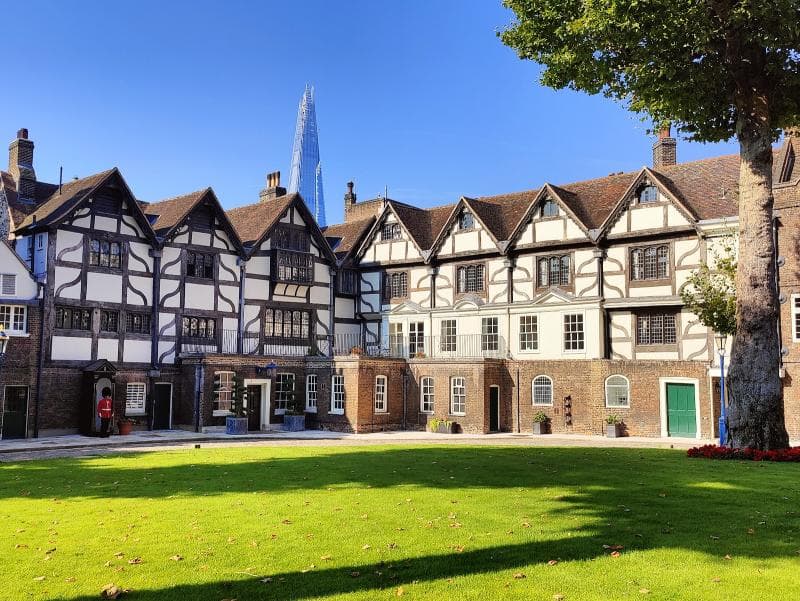

Explore the historic Tower of London, a UNESCO World Heritage Site in London, UK, steeped in royal history, intrigue, and iconic tales.
Overview
Steeped in nearly a millennium of history, the Tower of London stands as a formidable historic citadel and castle on the north bank of the River Thames in London, United Kingdom. Founded toward the end of 1066 by William the Conqueror, this iconic structure has served a multitude of roles, from a powerful royal residence and fortress to a notorious prison, armoury, treasury, and even a menagerie. Today, it is a UNESCO World Heritage Site and one of London's most visited attractions, captivating millions with its enduring tales and architectural grandeur.
Located within the London Borough of Tower Hamlets, its imposing presence has shaped the city's skyline and history for centuries. While its original purpose was to project Norman power and control over London, the Tower has evolved into a symbol of both royal authority and the darker chapters of England's past.
History & Cultural Background
The story of the Tower of London begins shortly after the Norman Conquest of 1066, when William the Conqueror, seeking to secure his new kingdom and assert dominance, began construction of the White Tower, the central and oldest part of the complex, around 1078. This mighty stone keep was a stark symbol of his authority, intended to awe and intimidate the local populace.
Over the subsequent centuries, the Tower underwent significant expansion under various monarchs, notably Richard I, Henry III, and Edward I, who added concentric rings of defensive walls and a moat, shaping the castle into the sprawling complex seen today. For approximately 500 years, it functioned as a royal palace, hosting kings and queens and serving as a secure stronghold in times of unrest.
Its formidable walls also witnessed its transformation into England's most significant state prison. Famous figures, including future Queen Elizabeth I, Lady Jane Grey, Anne Boleyn, Sir Walter Raleigh, and Guy Fawkes, were held within its confines, often entering through the infamous Traitors' Gate. The Tower's multifaceted past also saw it house the Royal Mint, the Royal Armouries, and even a royal menagerie, making it a pivotal administrative and cultural hub for the kingdom.
What Makes It Special
The Tower of London is a place of unparalleled significance, not merely for its age but for the incredible collection of stories and treasures it holds. Chief among its attractions are the magnificent Crown Jewels, a priceless collection of regalia that has been guarded here since 1661. These dazzling symbols of the monarchy, used in coronations and state events, are a testament to centuries of British history.
Another defining feature is the presence of the Yeoman Warders, affectionately known as 'Beefeaters.' These ceremonial guardians, with their distinctive Tudor uniforms, are not just guides; they are living historians who share captivating, often gruesome, tales of the Tower's past with humor and passion. Historically, they were responsible for guarding prisoners and the Crown Jewels, and many still live within the Tower complex today.
The Tower's resident ravens are equally famous. Legend dictates that if these black birds ever leave the Tower, the kingdom will fall. Their presence is carefully maintained, adding a layer of ancient mystique to the site. The White Tower itself, a grand example of Norman architecture, remains a powerful focal point, housing historic displays of armour and weaponry. Furthermore, the ancient Ceremony of the Keys, the locking up of the Tower every night, is one of the oldest military ceremonies in the world, a tradition that has continued unbroken for centuries.
Stories, Fun Facts & Local Details
The Tower of London's reputation is inextricably linked with its darker chapters. It served as the site for numerous executions, including those of two of Henry VIII's wives, Anne Boleyn and Catherine Howard, and the 'Nine Days' Queen,' Lady Jane Grey. While most executions occurred on nearby Tower Hill, some high-profile individuals met their fate within the Tower Green.
The mystery of the 'Princes in the Tower,' the young sons of King Edward IV who vanished in 1483, continues to intrigue historians and visitors alike, adding to the castle's aura of unsolved secrets and tragic tales. Given its tumultuous past, it's perhaps no surprise that the Tower is considered one of the most haunted locations in Britain, with countless reports of spectral sightings, including the restless spirit of Anne Boleyn.
Less grim but equally fascinating is the Tower's history as a royal menagerie, a collection of exotic animals kept for the entertainment of the court and public, until the animals were moved to Regent's Park to form the basis of London Zoo in the 19th century. The iconic Tower Bridge, often mistaken for London Bridge, stands immediately adjacent to the Tower of London, its Gothic design deliberately chosen to complement the historic fortress.
Visitor Perspective
A visit to the Tower of London offers an immersive journey through nearly 1,000 years of British history. To make the most of the experience, it's highly recommended to join a free guided tour led by a Yeoman Warder, whose lively narratives bring the Tower's captivating stories to life. These tours provide an excellent overview and insider anecdotes not found elsewhere.
Allowing at least two to three hours is advisable to explore the various attractions, including the Crown Jewels, the White Tower, the Medieval Palace, and the battlements. Due to its historic nature, the Tower features uneven surfaces and stairs, so comfortable and appropriate footwear is essential. Located conveniently on the River Thames, the Tower is easily accessible by public transport, with Tower Hill Tube station just a five-minute walk away. Booking tickets online in advance is highly recommended, especially during peak seasons, to ensure entry and avoid queues.
Coordinates: -0.0759, 51.5081
View on Google Maps💬 How Travelers Describe This Place
Based on community votes
Interesting
958Beautiful
743Unique
719Photogenic
382Must See
176
Traveler Stories
Discover memorable experiences shared by travelers who have visited this place.
No traveler stories yet.
Be the first traveler to share what made this place memorable.
Things to see at Tower of London



Tour
By
Spot
Discover amazing places around the world. Your journey starts here.
Explore
© 2026 TourBySpot. All rights reserved.