Tower Ravens
London, United Kingdom
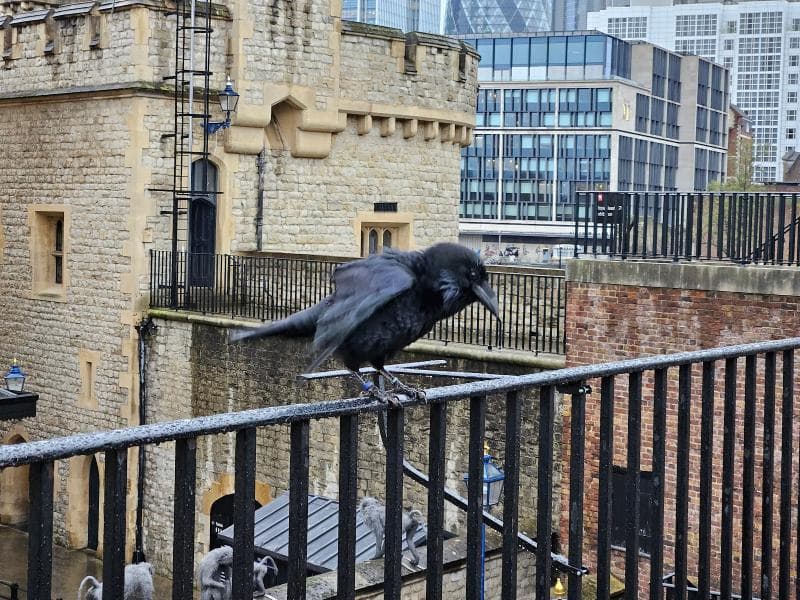
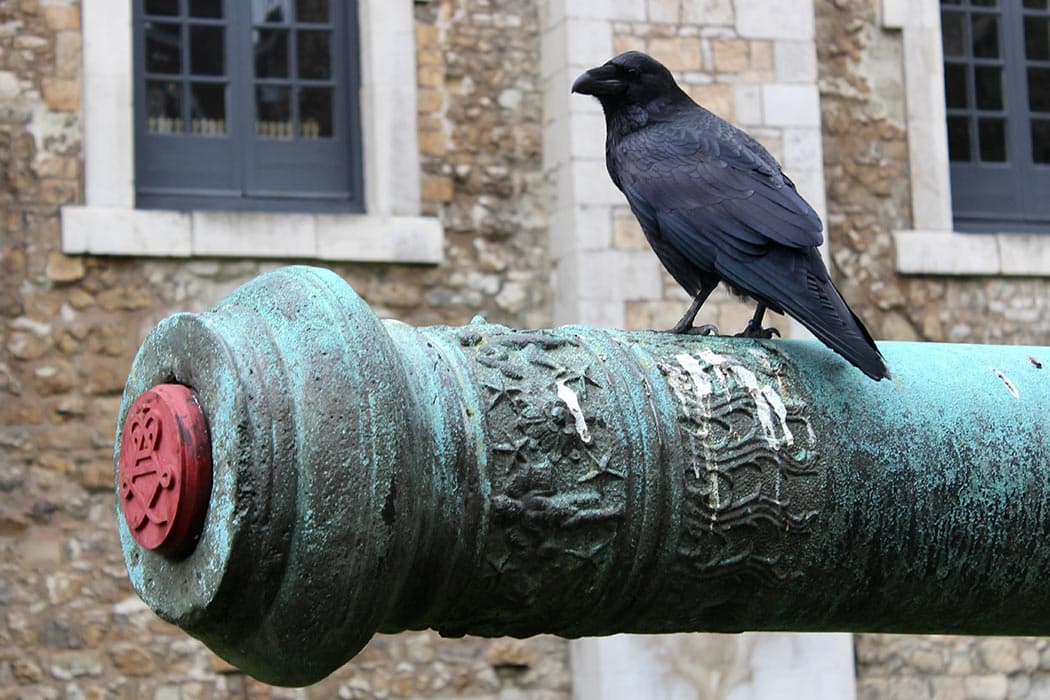
Discover the Tower Ravens at the Tower of London, United Kingdom, where legend says the monarchy's fate is tied to these iconic birds.
Overview
Deep within the ancient walls of the Tower of London, a curious and captivating tradition thrives: the guardianship of the Tower Ravens. These majestic, dark-feathered birds are far more than mere residents; they are central to a powerful legend that has endured for centuries. Often seen hopping across the cobbled courtyards or perched regally on battlements, the Tower Ravens are considered guardians of both the Tower itself and the British Monarchy. It is said that 'if the Tower of London ravens are lost or fly away, the Crown will fall and Britain with it.' This ancient prophecy ensures that a minimum of six ravens are always kept within the fortress, cared for by a dedicated Yeoman Warder, the Ravenmaster.
These intelligent corvids, with their distinctive calls and individual personalities, contribute significantly to the Tower's unique atmosphere. Visitors from around the world come not only to explore the historic castle and its Crown Jewels but also to witness these celebrated birds, whose continued presence weaves a thread of ancient folklore into the heart of modern London.
History & Cultural Background
The precise origin of the Tower Ravens' legend is shrouded in the mists of time, blending historical accounts with folklore. While some historical accounts suggest the presence of ravens at the Tower dates back to at least Roman times, possibly as scavengers, the specific legend linking their presence to the fate of the Crown is often attributed to King Charles II.
According to this popular tale, the King's Royal Astronomer, John Flamsteed, complained that the ravens were interfering with his astronomical observations from the White Tower. Charles II was reportedly advised that removing the ravens would lead to the downfall of the monarchy and the Tower. Consequently, he decreed that at least six ravens must always remain within the Tower's confines, leading to the tradition that continues today. However, some historians propose that the legend might be a more recent 'Victorian flight of fantasy' or even originated during World War II, when the dwindling number of ravens due to the Blitz prompted efforts to maintain their population. Regardless of its exact genesis, the belief has firmly embedded itself in British culture and the Tower's identity.
What Makes It Special
The Tower Ravens are unique because they are living symbols of a deeply ingrained cultural legend. Unlike other historical exhibits, these birds are dynamic, interacting with their environment and visitors, each with its own character. They are intelligent creatures, known for their ability to mimic sounds, play games, and solve problems. Their striking appearance, glossy black feathers, and commanding presence add an almost mystical quality to the formidable fortress.
The dedicated care they receive from the Ravenmaster and his team, including a special diet of raw meat, blood-soaked biscuits, and eggs, underscores their importance. Their semi-wild existence within one of the world's most iconic historical sites creates a captivating blend of nature and heritage, making them a truly special attraction.
Stories, Fun Facts & Local Details
- The Ravenmaster: The ravens are under the vigilant care of the Ravenmaster, a specially appointed Yeoman Warder. This role, formally established within the last 50 years, is currently held by Michael 'Barney' Chandler, who succeeded Chris Skaife in early 2024.
- Named Individuals: Each raven has a name, adding to their distinct personalities. Current ravens include names like Jubilee, Harris, Poppy, Edgar, Georgie, Branwen, and Rex (named in honour of HM The King's Coronation).
- A Secure Future: Since 1987, the Tower has operated a successful captive breeding programme to ensure the continued presence of these vital birds.
- Raven Diet: These powerful birds enjoy a specific diet, which includes raw meat, a special blood-soaked bird biscuit, a weekly egg, and sometimes even a whole rabbit.
- Territorial Nature: The ravens are known to be territorial and can bite if they feel threatened, hence visitors are advised not to feed them.
Visitor Perspective
For visitors, seeing the Tower Ravens is an integral part of the Tower of London experience. They are not merely an exhibit but a living, breathing link to centuries of history and folklore. Observing them hop, preen, and soar within the castle grounds offers a moment of connection to the ancient tales that define this landmark.
Special 'Ravens experience' tours allow early entry to the Tower and an exclusive talk with the Ravenmaster's team, offering insights into the birds' care routines, personalities, and the rich history surrounding them. Being present as the ravens are released from their enclosures for the day is a unique and memorable moment. Their presence adds a layer of mystery and authenticity to the historical surroundings, making the Tower of London an even more compelling destination for anyone fascinated by history, legend, and the natural world.
Coordinates: -0.076132, 51.50853
View on Google Maps💬 How Travelers Describe This Place
Based on community votes
Unique
958Must See
743Photogenic
728Beautiful
719Interesting
382
Traveler Stories
Discover memorable experiences shared by travelers who have visited this place.
No traveler stories yet.
Be the first traveler to share what made this place memorable.

Tour
By
Spot
Discover amazing places around the world. Your journey starts here.
Explore
© 2026 TourBySpot. All rights reserved.