The Crown Jewels
London, United Kingdom
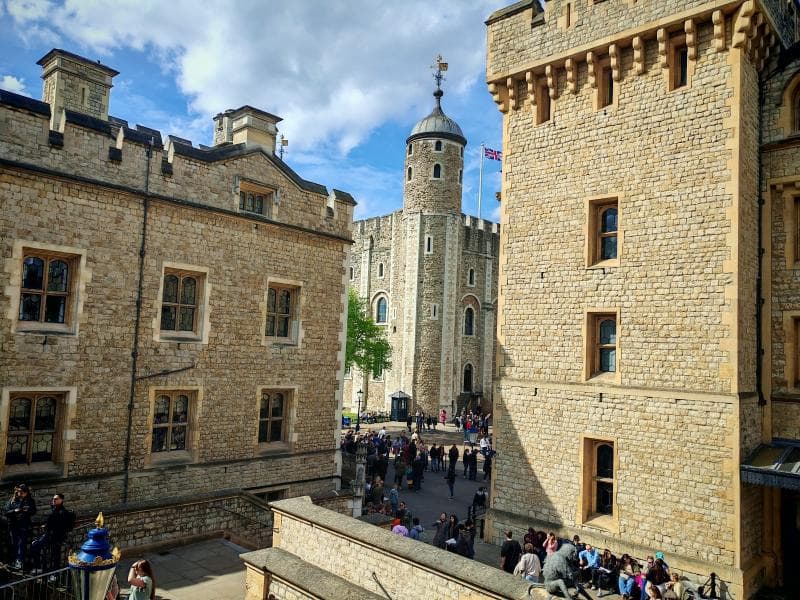
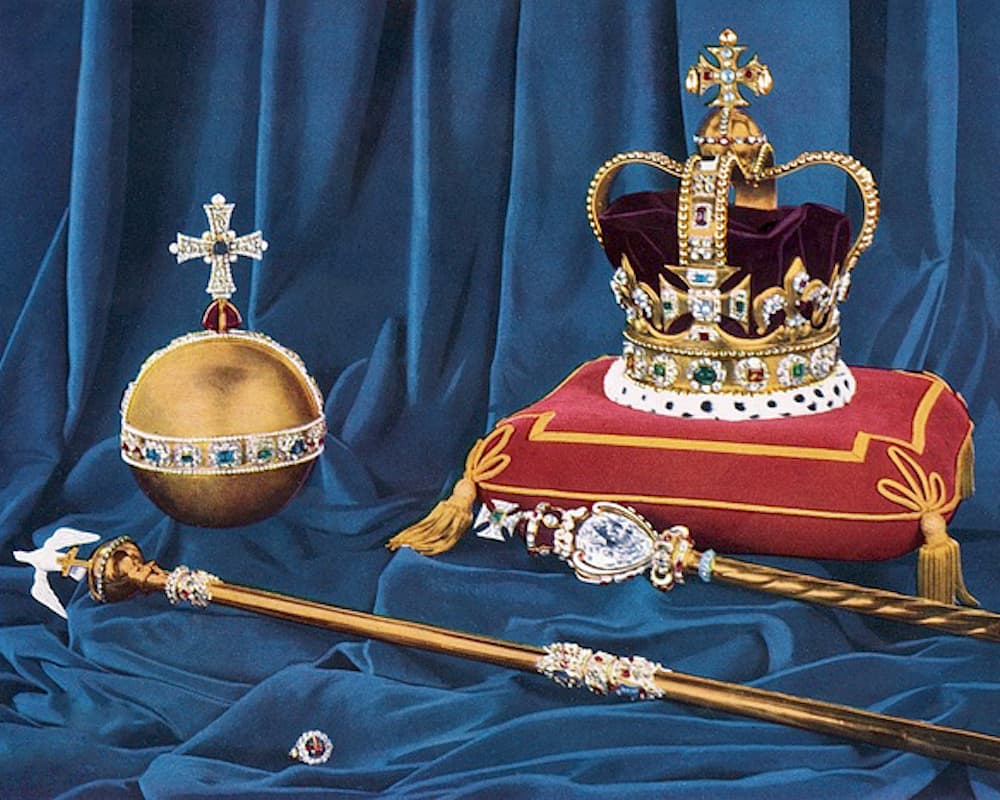
Discover the priceless Crown Jewels at the Tower of London, United Kingdom. Explore royal history, dazzling regalia, and famous gemstones.
Overview
Deep within the ancient walls of the Tower of London, a UNESCO World Heritage Site in London, United Kingdom, lies a treasure trove of unparalleled historical and cultural significance: the Crown Jewels. This extraordinary collection comprises over 100 objects and more than 23,000 gemstones, making it a dazzling display of royal regalia. These priceless artifacts are not merely decorative; they are working symbols of the British monarchy, actively used in coronations and other significant state occasions.
Housed in the specially designed Jewel House, the Crown Jewels attract millions of visitors annually, all eager to witness the splendor and learn about the rich history intertwined with these magnificent objects.
History & Cultural Background
The history of the Crown Jewels is as dramatic as it is illustrious. While some individual pieces, like the 12th-century Coronation Spoon, date back further, the bulk of the current collection emerged from a period of profound upheaval.
Following the execution of King Charles I in 1649 and the establishment of the Commonwealth, the original medieval coronation regalia was largely melted down or sold off by parliamentary order. Upon the Restoration of the Monarchy in 1660, King Charles II commissioned new regalia for his coronation in 1661. These newly created pieces were designed to mimic the lost medieval items, ensuring continuity and embodying the enduring power of the crown. Since the 1660s, the Crown Jewels have been protected and displayed at the Tower of London, continuing a long tradition of storing precious royal objects within its formidable embrace.
What Makes It Special
What truly sets the Crown Jewels apart is their dual nature as both museum artifacts and active instruments of state. Unlike many royal collections that are purely historical exhibits, the British Crown Jewels remain a 'working collection,' integral to the pomp and ceremony of the monarchy.
Among the most iconic pieces are St Edward's Crown, weighing 2.23kg (nearly 5lbs) of solid gold and adorned with semi-precious stones, which is used only at the moment of crowning during a coronation. The Imperial State Crown, worn by the monarch at the State Opening of Parliament and at the end of the coronation ceremony, features an astounding 2,868 diamonds, 17 sapphires, 11 emeralds, 269 pearls, and 4 rubies. It prominently showcases the 317-carat Cullinan II diamond, also known as the Second Star of Africa, and the historic Black Prince's Ruby.
Stories, Fun Facts & Local Details
- The Black Prince's 'Ruby': This striking red gemstone in the Imperial State Crown has a fascinating past. Despite its name, it is not actually a ruby but a large red spinel. Legend has it that it was given to Edward, the Black Prince, in 1367, and King Henry V famously wore it in his helmet at the Battle of Agincourt in 1415.
- St Edward's Sapphire: Set in the topmost cross of the Imperial State Crown, this sapphire is rumored to have been worn in a ring by St Edward the Confessor in the 11th century.
- The Cullinan Diamond: Discovered in South Africa in 1905, the original Cullinan was the largest gem-quality uncut diamond ever found. It was cut into nine major stones and 96 smaller brilliants, with the largest two, Cullinan I and II, gracing the Sovereign's Sceptre with Cross and the Imperial State Crown, respectively.
- A Daring Theft Attempt: In 1671, the notorious Irish colonel Thomas Blood famously attempted to steal the Crown Jewels, including St Edward's Crown, a sceptre, and an orb. He was apprehended at the castle perimeter, but the audacity of his attempt remains a captivating tale.
- Guarded by Beefeaters: The Crown Jewels are under constant vigilance, protected by the iconic Yeoman Warders, affectionately known as 'Beefeaters,' who have a long history of safeguarding the Tower and its treasures.
Visitor Perspective
Visiting the Crown Jewels is an awe-inspiring experience. Located within the Jewel House at the Tower of London, the display is designed to evoke the spectacle and pageantry of royal ceremonies. Visitors move through a carefully curated exhibition that delves into the origins and significance of the jewels, culminating in the dazzling Treasury where the main regalia are showcased.
While the sheer brilliance of the jewels is captivating, be prepared for security measures and crowds, especially during peak times. Photography is generally not permitted inside the Jewel House to preserve the sanctity and security of the collection. Most visitors dedicate 30 to 60 minutes to the Crown Jewels exhibition, immersing themselves in centuries of royal history and glittering magnificence.
Coordinates: -0.07611, 51.50806
View on Google Maps💬 How Travelers Describe This Place
Based on community votes
Beautiful
639Unique
569Photogenic
476Interesting
128Must See
93
Traveler Stories
Discover memorable experiences shared by travelers who have visited this place.
No traveler stories yet.
Be the first traveler to share what made this place memorable.

Tour
By
Spot
Discover amazing places around the world. Your journey starts here.
Explore
© 2026 TourBySpot. All rights reserved.