Torture at the Tower
London, United Kingdom
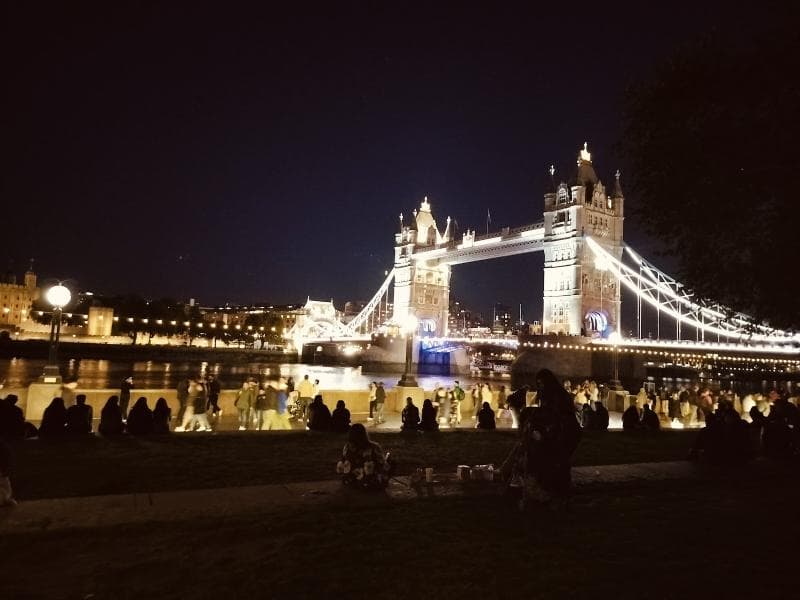

Explore 'Torture at the Tower' within London's historic Tower of London, uncovering its dark 16th-17th century history, infamous instruments, and prisoner stories.
Overview
Deep within the ancient walls of the Tower of London, a UNESCO World Heritage Site, lies the chilling sub-spot known as 'Torture at the Tower'. This compelling experience delves into one of the fortress's darkest chapters, primarily spanning the 16th and 17th centuries, a turbulent period marked by intense religious and political upheaval in England. The exhibition aims to shed light on the brutal methods employed to extract information from prisoners rather than to serve as punishment.
Visitors are transported back in time to understand the fears and desperation that gripped those confined within the Tower, often accused of treason or heresy. The focus is on historical accuracy, presenting the facts surrounding the use of torture in a period when the state often resorted to extreme measures to uncover plots and perceived threats to the Crown.
History & Cultural Background
Torture was never officially permitted under English law, a distinction that makes its use at the Tower particularly poignant. However, during the 16th and 17th centuries, royal authorities, often through the Privy Council and the monarch themselves, frequently ordered torture to be used on prisoners. This practice was not about justice or punishment but was a strategic tool for 'discovery,' intended to force confessions and reveal the names of alleged co-conspirators.
The Tower became a significant site for such interrogations, especially during the reigns of Tudor and Stuart monarchs. The three primary instruments of torture employed were the rack, the Scavenger's Daughter, and manacles. The rack was designed to stretch the victim's body, gradually dislocating limbs, and was so notorious it was sometimes called the 'Duke of Exeter's Daughter'. The Scavenger's Daughter, invented by Sir Leonard Skeffington, the Tower's Lieutenant during Henry VIII's reign, worked on the opposite principle, compressing the body until bones could dislocate. Manacles were iron restraints used to suspend prisoners, often for prolonged periods, causing immense pain and leaving them unable to use their hands afterwards.
What Makes It Special
What makes 'Torture at the Tower' particularly impactful is its commitment to historical veracity and immersive presentation. The exhibition features chilling replicas of the very instruments used, allowing visitors to visualize the appalling pain inflicted upon prisoners. It confronts the uncomfortable truth of the Tower's past directly, relying on documented accounts and historical records to tell these grim stories.
Beyond the physical instruments, the exhibit also touches upon the psychological tortures endured, such as solitary confinement and the constant threat of physical torment. It reveals the methods interrogators used to break prisoners' resolve, sometimes just the sight of the rack being enough to make them surrender information. This unvarnished look at a difficult history ensures that the visitor gains a deeper, more nuanced understanding of the Tower's role as a prison and a tool of state power.
Stories, Fun Facts & Local Details
- Anne Askew: A steadfast Protestant preacher and writer, Anne Askew holds the distinction of being the only woman known to have been tortured on the rack at the Tower. She was subjected to this ordeal to force her to betray others who shared her beliefs, but she refused to recant or name names. Her diary, detailing her horrific experience, was smuggled out.
- John Gerard: The Jesuit priest John Gerard, imprisoned for his Catholic faith in the 1590s, famously described his torture using manacles. He detailed how his wrists were fastened in iron gauntlets, and he was suspended by his arms, left hanging above his head.
- Guy Fawkes: The notorious Gunpowder Plotter, Guy Fawkes, underwent severe interrogation at the Tower following his capture in 1605. He was reportedly tortured on both the rack and with manacles to extract his confession and identify his co-conspirators.
- Little Ease: Among the psychological torments was a notorious cramped cell known as 'Little Ease.' This tiny, windowless space prevented a prisoner from standing, sitting, or lying down comfortably, forcing them into a perpetually crouched position, leading to agonizing discomfort.
- Yeoman Warders: Ironically, the Tower's iconic Yeoman Warders, affectionately known as Beefeaters, were historically responsible for carrying out the physical aspects of the torture under the direction of commissioners.
Visitor Perspective
For the curious traveler, 'Torture at the Tower' offers a compelling, albeit somber, insight into the human cost of power struggles throughout history. While the subject matter is dark, the exhibit is presented with care and historical integrity, ensuring an educational experience. It is often part of the broader Tower of London visit, complementing other areas like the Crown Jewels and the White Tower. Yeoman Warder tours, a highlight of any visit, frequently recount tales of intrigue, imprisonment, and torture, bringing these historical narratives to life with their engaging storytelling. The impact of the exhibit is profound, leaving visitors with a deeper appreciation for the complexities of the past and the enduring stories held within the Tower's formidable walls.
Coordinates: -0.07611, 51.50806
View on Google Maps💬 How Travelers Describe This Place
Based on community votes
Interesting
894Photogenic
862Must See
748Unique
304Beautiful
35
Traveler Stories
Discover memorable experiences shared by travelers who have visited this place.
No traveler stories yet.
Be the first traveler to share what made this place memorable.

Tour
By
Spot
Discover amazing places around the world. Your journey starts here.
Explore
© 2026 TourBySpot. All rights reserved.