Bloody Tower
London, United Kingdom
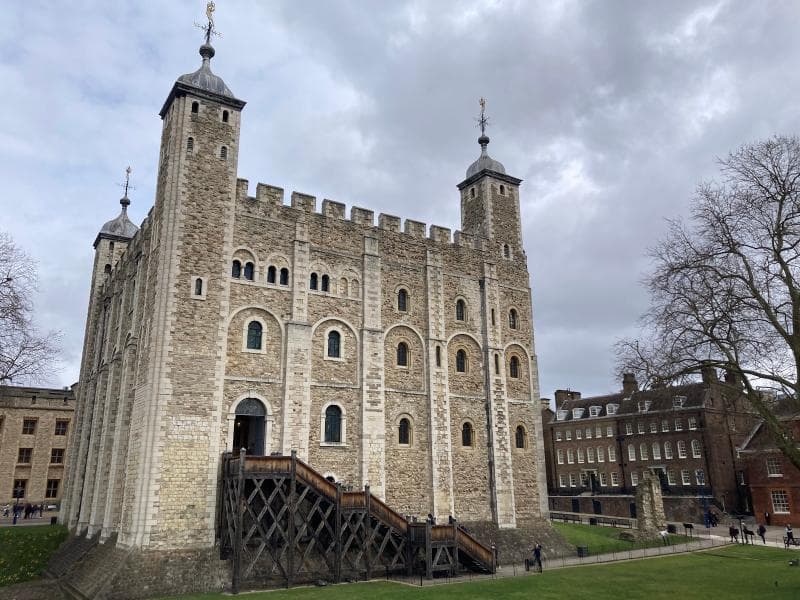

Uncover the dark history and enduring mysteries of the Bloody Tower within the Tower of London, London, United Kingdom. Explore tales of the Princes in the Tower and Sir Walter Raleigh's imprisonment.
Overview
Deep within the ancient walls of the Tower of London, in the vibrant heart of London, United Kingdom, stands a structure whose very name whispers tales of intrigue and sorrow: the Bloody Tower. Originally known as the Garden Tower, this formidable building earned its chilling moniker from the dark legends associated with its past. It is a place where history's shadows linger, drawing visitors into a narrative of royal power, betrayal, and enduring mystery. As a key component of the Tower of London complex, the Bloody Tower offers a profound glimpse into a pivotal period of English history, characterized by both architectural might and human tragedy.
History & Cultural Background
The construction of the Bloody Tower dates back to the early 13th century, initiated under the reign of King Henry III, between 1222 and 1240. Initially, it served as the main water gate into the fortress from the River Thames, providing a crucial entry point. However, following the expansion of the Outer Ward by Edward I after 1280, it became landlocked and was transformed into a principal access point between the inner and outer wards, complete with a formidable portcullis mechanism.
Its transformation into a notorious prison for high-status individuals cemented its place in history. The most haunting association, which ultimately led to its renaming from the Garden Tower to the Bloody Tower in the 1560s, is the supposed murder of the 'Princes in the Tower'. In 1483, 12-year-old King Edward V and his younger brother, Richard, Duke of York, were lodged here on the orders of their uncle, Richard, Duke of Gloucester, who would later be crowned King Richard III. The boys mysteriously disappeared, and it is widely believed they were murdered within these very walls. This unresolved mystery continues to fuel centuries of speculation and remains one of England's most famous unsolved crimes.
Another famous occupant was Sir Walter Raleigh, a celebrated explorer, writer, and courtier. He endured a 13-year imprisonment within the Bloody Tower from 1603 to 1616. During his confinement, Raleigh was granted privileges not afforded to most prisoners, including access to a small garden outside the tower, where he cultivated exotic plants. His wife and two sons even lived with him for a period, making his imprisonment a unique chapter in the tower's history.
What Makes It Special
The Bloody Tower stands out not just for its physical presence but for its deep entanglement with defining moments of English royal history. It was built as part of the defensive ring of the Tower of London, a testament to medieval military architecture, designed to keep invaders out. Yet, ironically, it became a place where people were held captive within its stout walls.
The enduring mystery of the Princes in the Tower imbues this specific structure with a powerful, almost palpable, sense of unanswered questions and historical drama. It is a tangible link to a moment when the fate of a kingdom hung in the balance, shaped by ambition and conspiracy. The tales of Sir Walter Raleigh's long stay, and his intellectual pursuits within its confines, add another layer of fascinating human experience to its stone. The visible portcullis mechanism, still in place today, serves as a stark reminder of its original defensive purpose and the control exerted over those who passed beneath it.
Stories, Fun Facts & Local Details
The legend of the Princes in the Tower is perhaps the most compelling story associated with the Bloody Tower. While their ultimate fate remains unknown, the widespread belief that they met a grim end here under their uncle's supposed orders has cemented the tower's dark reputation. This narrative has been a rich source of inspiration for countless historical accounts, plays, and popular culture references, making the Bloody Tower a symbol of regicide and dynastic struggle.
Sir Walter Raleigh's imprisonment offers a different, yet equally captivating, story. Despite his confinement, he continued his scholarly work, writing 'The History of the World'. His garden, cultivated during his time in the tower, allowed him to indulge his passion for botany, growing plants he encountered on his voyages. This unique aspect of his imprisonment provides a humanizing detail amidst the tower's otherwise somber history, showcasing resilience and intellectual spirit even under duress. The Bloody Tower also held other notable figures, including two Archbishops of Canterbury and a Lord Chancellor, further illustrating its role as a high-status prison.
Visitor Perspective
Visiting the Bloody Tower today is an immersive journey into a pivotal piece of the Tower of London's past. Travelers can walk through the very rooms where the Princes were believed to have been held and where Sir Walter Raleigh spent years of his life. Exhibitions within the tower recreate the living conditions of these historical figures and delve into the reasons why individuals were imprisoned in the Tower. The atmosphere is thick with history, allowing visitors to feel a tangible connection to the events that unfolded centuries ago. It's a place that encourages reflection on the nature of power, justice, and human resilience, leaving a lasting impression on those who explore its storied chambers. The experience is designed to be both educational and emotionally resonant, bringing these historical narratives to life for the curious traveler.
Coordinates: -0.07611, 51.50806
View on Google Maps💬 How Travelers Describe This Place
Based on community votes
Interesting
896Must See
102Beautiful
102Unique
95Photogenic
28
Traveler Stories
Discover memorable experiences shared by travelers who have visited this place.
No traveler stories yet.
Be the first traveler to share what made this place memorable.

Tour
By
Spot
Discover amazing places around the world. Your journey starts here.
Explore
© 2026 TourBySpot. All rights reserved.