Sumiyoshi Taisha
Osaka, Japan
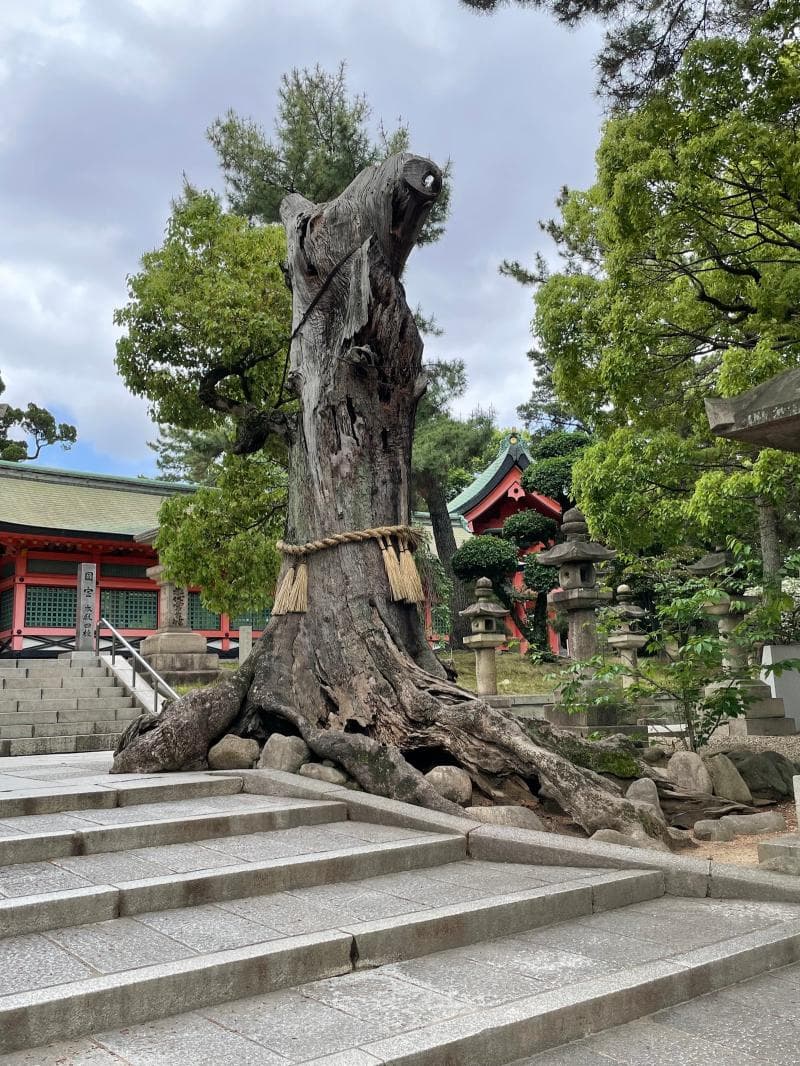
Explore Sumiyoshi Taisha, one of Japan's oldest Shinto shrines in Osaka. Discover its unique Sumiyoshi-zukuri architecture and rich maritime history.
Overview
Sumiyoshi Taisha, affectionately known as 'Sumiyossan' by locals, stands as a profound spiritual and historical landmark in Osaka, Japan. As the head shrine for approximately 2,300 Sumiyoshi shrines scattered across the nation, it holds immense significance within the Shinto faith. Believed to have been founded in the 3rd century, with a traditional establishment date of 211 AD, it is among Japan's oldest shrines. The shrine is dedicated primarily to the Sumiyoshi Sanjin, three kami (deities) of the sea, and the revered Empress Jingu. Its architectural style, known as Sumiyoshi-zukuri, is uniquely Japanese and predates the arrival of Buddhist influences, offering a glimpse into ancient Japanese aesthetics. Annually, millions flock to Sumiyoshi Taisha, particularly for Hatsumode, the traditional first shrine visit of the New Year, underscoring its enduring popularity and spiritual importance.
History & Cultural Background
The origins of Sumiyoshi Taisha are deeply rooted in legend and history, traditionally tracing back to Empress Jingu's reign in 211 AD. According to lore, the Empress ordered its construction in gratitude to the Sumiyoshi kami, who she credited with her safe return and victorious campaign from the Korean peninsula. Initially, the shrine was strategically located near what was then the coastline of Osaka Bay, serving as a vital protector of sailors, fishermen, and travelers. Over centuries, natural silt buildup and land reclamation have shifted the shoreline westward, leaving the shrine inland, yet its spiritual connection to the sea remains.
Sumiyoshi Taisha played a crucial role in Japan's maritime history, protecting imperial embassies and facilitating trade from Naniwa harbor to the Asian mainland during the 7th to 9th centuries, and later for domestic trade in the Edo period. Its architectural style, Sumiyoshi-zukuri, is celebrated as one of the three purest and oldest indigenous Japanese shrine styles, free from continental influences. The main halls, designated as National Treasures, reflect this ancient design, with the current structures dating back to their last rebuilding in 1810. The shrine's cultural footprint extends to classical Japanese literature, notably appearing in 'The Tale of Genji' from the early 11th century and works by Nobel laureate Yasunari Kawabata, highlighting its long-standing place in Japanese arts and consciousness.
What Makes It Special
Beyond its historical depth, Sumiyoshi Taisha offers several distinctive features that set it apart. The architectural style, Sumiyoshi-zukuri, is perhaps its most defining characteristic. It is identified by its straight, uncurved roofs, striking vermillion pillars, white plaster walls, and unique roof decorations like forked finials (chigi) and horizontal billets (katsuogi). The four main halls, all National Treasures, are arranged in an unusual configuration: the first three stand in a straight line facing west, while the fourth is slightly offset, a layout said to evoke a fleet of ships sailing forth.
Another iconic symbol is the Sorihashi Bridge, also known as Taikobashi, which translates to 'Drum Bridge' due to its dramatically arched shape. Crossing this steep, picturesque bridge is considered an act of purification before entering the sacred grounds. Within the shrine complex, visitors can discover Goshogozen, a revered power spot where it is believed that finding three special stones inscribed with characters meaning 'five,' 'great,' and 'power' can bestow good fortune. The shrine's divine protection has expanded over time to encompass various aspects of life, including poetry, performing arts, sumo wrestling, success in business and love, and even the safe delivery of babies.
Stories, Fun Facts & Local Details
Sumiyoshi Taisha is steeped in local charm and fascinating traditions. The endearing nickname 'Sumiyossan' used by Osaka residents reflects the shrine's deep connection to the community. A highlight for many is the Hatsumode period from January 1st to 3rd, when the shrine witnesses an astonishing influx of over 2 million visitors, making it one of the busiest times of the year and a vibrant display of Japanese New Year customs.
The shrine is also home to the Sumiyoshi Matsuri, one of Osaka's largest summer festivals, held annually from July 30th to August 1st. This festival is known for its purification ceremonies, including cleansing portable shrines (mikoshi) with water from Osaka Bay and a colorful procession passing through large rings of plaited grass. In autumn, the Kangetsu-sai, or moon-viewing festival, celebrates traditional Japanese poetry with readings performed atop the arched Sorihashi Bridge. A unique monthly pilgrimage, Hattatsu Mairi, takes place at the Nankun-sha shrine within the grounds, where worshippers collect 'lucky cat' (maneki-neko) figurines to symbolize long-term prosperity. The popular Japanese folktale 'Issun-bōshi' even features Sumiyoshi Taisha, as a childless couple prayed here for a child, and their wish was granted. These stories and traditions weave a rich tapestry that brings the shrine's ancient history to life for visitors.
Visitor Perspective
Visiting Sumiyoshi Taisha offers a serene and culturally enriching experience, providing a peaceful respite from the bustling heart of Osaka. Entry to the shrine grounds is free of charge, making it an accessible destination for all. The shrine typically opens early in the morning and closes in the late afternoon, with slightly later opening times during the colder months. It is conveniently reachable by public transport, with Sumiyoshitaisha Station on the Nankai Main Line being just a few minutes' walk away, or via the Hankai Tramway to Sumiyoshitorii-mae or Sumiyoshi tram stops.
For those interested in authentic Japanese architecture and Shinto traditions, Sumiyoshi Taisha is a must-see. The iconic Sorihashi Bridge, while beautiful, is quite steep, so visitors should take their time when crossing it. Exploring the grounds, one can find various smaller shrines, including the aforementioned Hattatsu Mairi, and participate in rituals like searching for the Goshogozen stones. Rest areas are available, and visitors can purchase various charms and talismans to commemorate their visit. The shrine offers a contemplative journey through centuries of Japanese history and spirituality.
Coordinates: 135.4929417, 34.6127972
View on Google Maps💬 How Travelers Describe This Place
Based on community votes
Photogenic
639Unique
421Interesting
366Must See
298Beautiful
212
Traveler Stories
Discover memorable experiences shared by travelers who have visited this place.
No traveler stories yet.
Be the first traveler to share what made this place memorable.
Things to see at Sumiyoshi Taisha



Tour
By
Spot
Discover amazing places around the world. Your journey starts here.
Explore
© 2026 TourBySpot. All rights reserved.