Festival grounds
Osaka, Japan
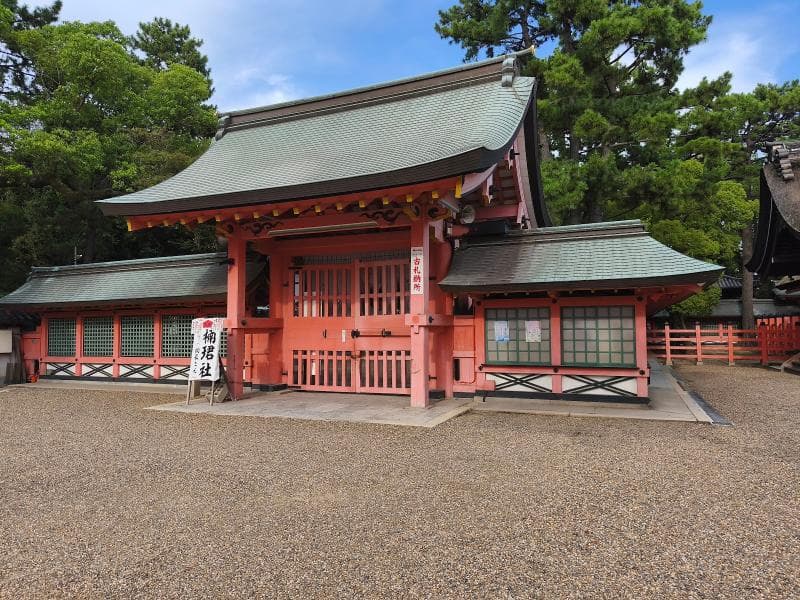
Explore the vibrant festival grounds of Sumiyoshi Taisha in Osaka, Japan. Discover ancient Shinto rituals, unique architecture, and historical significance.
Overview
Stepping onto the sacred grounds of Sumiyoshi Taisha in Osaka, Japan, one immediately feels a connection to centuries of history and spiritual devotion. This revered Shinto shrine, often affectionately called 'Sumiyossan' by locals, is not merely a collection of buildings but a vibrant cultural landscape where tradition comes alive. As the head shrine for over 2,300 Sumiyoshi shrines across Japan, it holds immense significance, particularly as a guardian of the sea and its travelers. The expansive grounds, characterized by ancient trees and the distinctive Sumiyoshi-zukuri architecture, serve as a focal point for numerous festivals and rituals throughout the year. Visitors are drawn here not just for quiet contemplation, but also to witness and partake in events that have shaped Osaka's cultural identity for nearly two millennia.
History & Cultural Background
Sumiyoshi Taisha's origins trace back to the 3rd century AD, with its founding attributed to the legendary Empress Jingū in 211 AD. According to folklore, she ordered the construction of the shrine to honor the Sumiyoshi Sanjin, three deities of the sea, who protected her during a successful military campaign. This ancient foundation predates the introduction of Buddhism to Japan, making Sumiyoshi Taisha a rare example of purely Japanese architectural and religious traditions. Over the centuries, the shrine grew in prominence, becoming a spiritual beacon for maritime activities, crucial for trade and communication in ancient Japan. Its importance is underscored by mentions in classical literature, such as Murasaki Shikibu's 'The Tale of Genji', where characters pray for safe passage. Through the Heian, Kamakura, Muromachi, and Edo periods, the shrine continued to be a vital institution, sought out by imperial families, aristocrats, merchants, and even samurai for divine protection. The continuity of its unique architecture and its enduring role in Japanese society reflect a deep-rooted cultural heritage.
What Makes It Special
What truly distinguishes Sumiyoshi Taisha, particularly its festival grounds, is the blend of unique architecture and vibrant tradition. The shrine's main halls exemplify the 'Sumiyoshi-zukuri' style, one of the oldest and purest forms of Japanese shrine architecture, characterized by straight, elevated roofs, vermilion pillars, and white walls, free from continental influences. The iconic Sorihashi Bridge, also known as Taikobashi, is a steep, arched bridge that creates a striking reflection, symbolizing a connection between the earthly and spiritual realms. Crossing this bridge is believed by many to purify the soul and ward off evil spirits. Beyond its structural beauty, the grounds are a stage for some of Osaka's most significant cultural events. The arrangement of the four main halls, unusual for facing west instead of south, further adds to its distinct character. This ancient site, encompassing approximately 25 acres, provides a tranquil yet dynamic space where the past and present intertwine through ceremonial performances and communal gatherings.
Stories, Fun Facts & Local Details
The festival grounds of Sumiyoshi Taisha are steeped in fascinating stories and local lore. One of the most significant annual events is the Sumiyoshi Matsuri, held from July 30 to August 1, marking the culmination of Osaka's summer festival season. A highlight of this festival is the 'Nagoshi no Harae' purification rite on July 31st, where participants, often women and children in traditional dress, walk through a large 'chinowa' (a ring made of reeds) to cleanse themselves of impurities accumulated during the first half of the year. The grandeur of the 'Mikoshi Togyo' procession on August 1st sees a two-ton portable shrine (mikoshi) carried from Sumiyoshi Taisha across the Yamato River to Sakai City, an impressive spectacle of strength and devotion. During the New Year, the shrine becomes one of Japan's most popular 'Hatsumode' destinations, drawing over two million visitors seeking blessings for the coming year. Another intriguing ritual is the 'Otaue Festival' in June, an ancient rice-planting ceremony designated as an important intangible folk cultural property, showcasing traditional dances and music. Visitors can also seek out the 'Goshogozen' sacred spot, where collecting stones inscribed with specific characters is believed to make wishes come true, or try the 'Omokaruishi', lifting a stone to determine if a wish will be granted. These rituals and traditions transform the shrine grounds into a living museum of Japanese spirituality and communal life.
Visitor Perspective
For the curious traveler, the festival grounds at Sumiyoshi Taisha offer an immersive journey into Japan's profound cultural and spiritual landscape. It's a place where history isn't confined to textbooks but is actively relived through annual festivals and daily practices. The tranquil atmosphere provides a welcome respite from the urban bustle of Osaka, allowing for peaceful exploration of the unique architecture and verdant spaces. Whether witnessing the vibrant energy of the Sumiyoshi Matsuri or participating in the solemnity of a purification ritual, visitors gain a deeper appreciation for Shinto traditions and community spirit. The shrine's accessibility, being a quick trip from central Osaka, makes it an ideal destination for those looking to experience an authentic piece of Japanese heritage. While entry to the shrine grounds is free, engaging with the various cultural elements, from crossing the Sorihashi Bridge to observing ancient ceremonies, provides an invaluable and memorable experience that resonates long after your visit.
Coordinates: 135.4929417, 34.6127972
View on Google Maps💬 How Travelers Describe This Place
Based on community votes
Must See
1.0kPhotogenic
804Interesting
563Beautiful
100Unique
63
Traveler Stories
Discover memorable experiences shared by travelers who have visited this place.
No traveler stories yet.
Be the first traveler to share what made this place memorable.

Tour
By
Spot
Discover amazing places around the world. Your journey starts here.
Explore
© 2026 TourBySpot. All rights reserved.