Stone lantern paths
Osaka, Japan
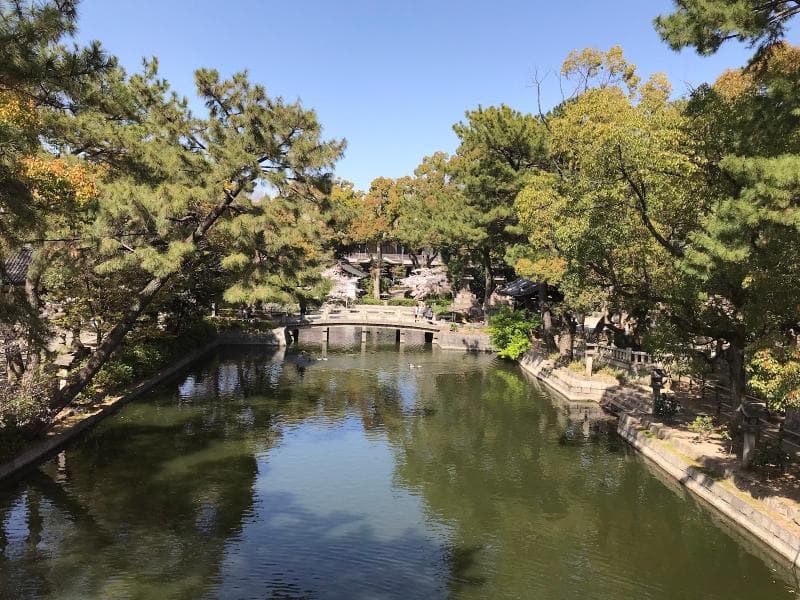
Explore the historic Stone Lantern Paths at Sumiyoshi Taisha in Osaka, Japan. Discover over 600 lanterns, rich maritime history, and unique cultural insights.
Overview
Nestled within the ancient grounds of Sumiyoshi Taisha in Osaka, Japan, the Stone Lantern Paths offer a truly mesmerizing and reflective experience. More than 600 custom-made stone lanterns, known as tōrō, line the pathways, creating a unique historical and spiritual landscape. These aren't merely decorative elements; each lantern tells a story, acting as a tangible connection to the shrine's maritime past and the fervent faith of those who sought its protection. Walking amidst these weathered stones, etched with names and dates, transports visitors to a bygone era, where the glow of lanterns guided both physical journeys and spiritual quests.
Sumiyoshi Taisha, founded in the 3rd century, stands as one of Japan's oldest and most significant Shinto shrines, notably predating Buddhist architectural influences with its distinctive Sumiyoshi-zukuri style. The shrine serves as the head of over 2,300 Sumiyoshi shrines nationwide, all dedicated to the kami (deities) who protect travelers, fishermen, and sailors at sea. The stone lanterns are a direct testament to this deep connection to the ocean, donated largely by merchants and businesses whose livelihoods depended on safe voyages.
History & Cultural Background
The tradition of donating stone lanterns to Sumiyoshi Taisha gained significant popularity in the early 1700s. These donations served a dual purpose: to curry favor with the powerful gods of Sumiyoshi Taisha for safe passage and prosperity, and to prominently advertise the donors' businesses. Osaka Bay, once situated just beyond the shrine's western gate, was a bustling hub for trade and diplomatic missions. From the 7th to the 9th centuries, it was the departure point for journeys to China, and later, during the Edo period (1603–1867), it became a vital base for domestic trade routes along the Sea of Japan.
The shrine's deities, the Sumiyoshi Sanjin (three sea gods), and Empress Jingū, who is also enshrined here, have long been revered by those connected to the sea. Many of the lanterns, particularly those donated between 1716 and 1736, reflect the gratitude of people involved in fishing and shipping. These lanterns are more than mere offerings; they are material records of survival and success, embodying the hopes and thanks of countless individuals and enterprises. The unique inscriptions found on many of these lanterns provide a fascinating glimpse into the mercantile history of Osaka.
What Makes It Special
What truly sets the Stone Lantern Paths apart is their sheer number and the personal stories embedded within them. With over 600 lanterns, the collective presence creates an atmosphere of profound reverence and historical depth. Each lantern, often custom-made, features engravings that reveal the names of its donors and the year of its dedication. This makes a walk along the paths akin to reading a living archive of Osaka's commercial and spiritual past. Visitors can observe the artistic conventions of craftsmen from the Edo period through subtle floral motifs and calligraphic inscriptions.
The largest and most striking examples of these lanterns stand tall, over 10 meters, on either side of the iconic Sorihashi Bridge. Originally donated in 1762 by an association of toy and doll manufacturers, these colossal lanterns have been refurbished and enlarged several times, most recently in 2020. The southern lantern represents companies from the Osaka area, while its northern counterpart honors those from Tokyo and other parts of Japan, showcasing a nationwide connection to the shrine. This blend of grand scale and intricate detail makes the Stone Lantern Paths a powerful symbol of faith, commerce, and cultural continuity.
Stories, Fun Facts & Local Details
The diversity of donors for the stone lanterns is a fascinating aspect of their history. While many were indeed from maritime industries like fishing and shipping, others came from unexpected sectors. Sharp-eyed visitors might spot lanterns donated by manufacturers of indigo dye, fertilizer, and glass, as well as safflower wholesalers and dealers in used clothing. This eclectic mix highlights the broad reach of Sumiyoshi Taisha's influence and the varied forms of commerce that flourished in historical Osaka. For instance, the Kitamaebune merchant ships, which connected Osaka to Hokkaido in the mid-to-late 19th century, brought kelp back to Osaka, which was then used to create kombu dashi, a basic ingredient in Japanese cuisine. Many merchants involved in this trade also contributed lanterns.
During festivals, especially at night, the lanterns are lit, casting an ethereal glow that transforms the shrine grounds into a truly magical scene. This illumination emphasizes the spiritual purpose of the lanterns, guiding spirits and enhancing the sacred atmosphere. The shrine itself has been a muse for Japanese literature for centuries, appearing in classics like 'The Tale of Genji,' where Prince Genji visits to thank the gods for his protection during a period of exile.
Visitor Perspective
For the curious traveler, a stroll along the Stone Lantern Paths offers a serene escape from the bustling modernity of Osaka. It's an opportunity to connect with Japan's ancient past and appreciate the enduring spiritual practices that have shaped its culture. The sheer number of lanterns, each with its unique character, invites a slow and contemplative walk, allowing time to read the faded inscriptions and imagine the lives of the donors. The paths lead to the shrine's main halls, providing a poignant journey through history before reaching the sacred heart of Sumiyoshi Taisha.
The experience is particularly enchanting during festivals or in the quiet hours of the morning or late afternoon when the light plays beautifully on the stones. These paths are not just a route; they are an integral part of the shrine's identity, offering a deep insight into the reverence for the sea and the traditions of gratitude that have persisted for centuries in Osaka. They provide a unique lens through which to understand the intertwining of faith, commerce, and community in this historical Japanese city.
Coordinates: 135.4929417, 34.6127972
View on Google Maps💬 How Travelers Describe This Place
Based on community votes
Beautiful
804Unique
733Must See
563Interesting
404Photogenic
336
Traveler Stories
Discover memorable experiences shared by travelers who have visited this place.
No traveler stories yet.
Be the first traveler to share what made this place memorable.

Tour
By
Spot
Discover amazing places around the world. Your journey starts here.
Explore
© 2026 TourBySpot. All rights reserved.