Torii gates
Osaka, Japan
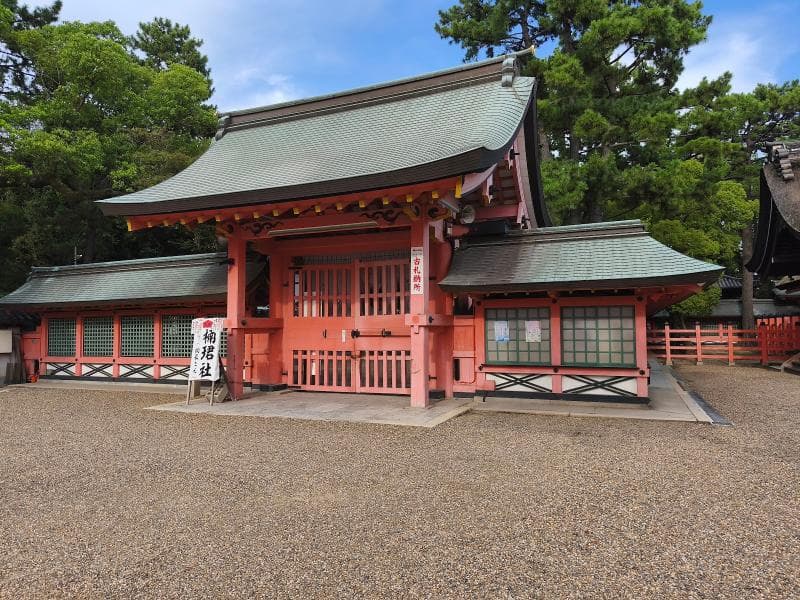
Discover the unique square-pillared Torii gates of Sumiyoshi Taisha in Osaka, Japan, a rare glimpse into ancient Japanese shrine architecture.
Overview
Sumiyoshi Taisha, one of Japan's oldest and most significant Shinto shrines, is nestled in Osaka, offering a tranquil escape from the bustling city. Established in the 3rd century, it stands as a testament to purely Japanese architectural styles, predating Buddhist influences. Among its many revered features are its distinctive Torii gates, which serve as sacred thresholds to the divine realm within.
Unlike the more commonly seen curved or round-pillared Torii gates found across Japan, the Torii gates at Sumiyoshi Taisha are famed for their unique 'Sumiyoshi-Torii' or 'kaku-torii' style, characterized by their straight, square pillars. This architectural choice sets them apart, offering visitors a glimpse into an ancient form of Shinto gateway design.
History & Cultural Background
The history of Sumiyoshi Taisha is deeply intertwined with Japan's ancient origins and its maritime heritage. Founded in 211 CE by Empress Jingu, the shrine is dedicated to the Sumiyoshi Sanjin, three sea gods, and Empress Jingu herself. These deities are revered as protectors of seafarers, travelers, and those involved in maritime industries.
The shrine's architecture, known as Sumiyoshi-zukuri, is one of the few styles considered authentically Japanese, having developed before the introduction of Buddhism from mainland Asia. This indigenous style emphasizes simplicity and straight lines, a characteristic also reflected in the unique design of its Torii gates. The Torii gates, as traditional Japanese gateways, symbolize the transition from the mundane world to the sacred space of the kami (Shinto gods). Their presence at Sumiyoshi Taisha reinforces the shrine's ancient roots and its connection to a spiritual tradition that has evolved alongside Japan itself.
What Makes It Special
The Torii gates at Sumiyoshi Taisha are particularly special due to their 'kaku-torii' (square torii) style. While most Torii gates feature round pillars, the Sumiyoshi-Torii proudly display straight, square timbers for their pillars, crossbeams (kasagi), and horizontal ties (shimaki). This distinct construction is a rare variation and a hallmark of the shrine's ancient design principles.
This architectural individuality is not merely aesthetic; it signifies a purity of form that predates later external influences, making these gates an important example of early Japanese shrine architecture. Visitors often notice the striking contrast between these square-pillared gates and the more prevalent styles seen elsewhere, making them a focal point of appreciation for those interested in Japanese cultural heritage.
Stories, Fun Facts & Local Details
Walking through a Torii gate is a fundamental part of the Shinto worship experience, marking one's entry into a sacred precinct and symbolically purifying the visitor. At Sumiyoshi Taisha, this tradition takes on an added layer of historical significance due to the unique form of its gates. The large stone Torii at the entrance is often flanked by a pair of 'komainu,' guardian lion-dogs, whose presence further emphasizes the protective and sacred nature of the shrine.
Local legend and literary works, such as 'The Tale of Genji,' have long associated Sumiyoshi Taisha with prayer for safe voyages and good fortune. The Torii gates, as the first element encountered by pilgrims, play a crucial role in setting the spiritual tone for these heartfelt supplications. The shrine's local nickname, 'Sumiyossan,' affectionately used by Osaka residents, underscores its deep integration into the community's heart and history.
Visitor Perspective
Approaching Sumiyoshi Taisha, the imposing yet elegant Torii gates instantly capture attention, preparing visitors for the spiritual journey ahead. The distinct square pillars provide a sense of groundedness and antiquity, immediately distinguishing the experience from other shrines. Passing beneath these unique structures, one feels a tangible connection to centuries of tradition and devotion.
The main entrance, often framed by one of these magnificent gates, is a popular spot for reflection and photography, inviting travelers to pause and absorb the atmosphere. For many, crossing the threshold of these special Torii gates is more than just entering a shrine; it is stepping back in time to an era of pure Japanese spirituality, offering a memorable and meaningful start to their exploration of Sumiyoshi Taisha's rich cultural landscape.
Coordinates: 135.4929417, 34.6127972
View on Google Maps💬 How Travelers Describe This Place
Based on community votes
Must See
551Interesting
421Photogenic
366Beautiful
298Unique
212
Traveler Stories
Discover memorable experiences shared by travelers who have visited this place.
No traveler stories yet.
Be the first traveler to share what made this place memorable.

Tour
By
Spot
Discover amazing places around the world. Your journey starts here.
Explore
© 2026 TourBySpot. All rights reserved.