Shevchenkivskyi Hai Open-Air Museum
Lviv, Ukraine
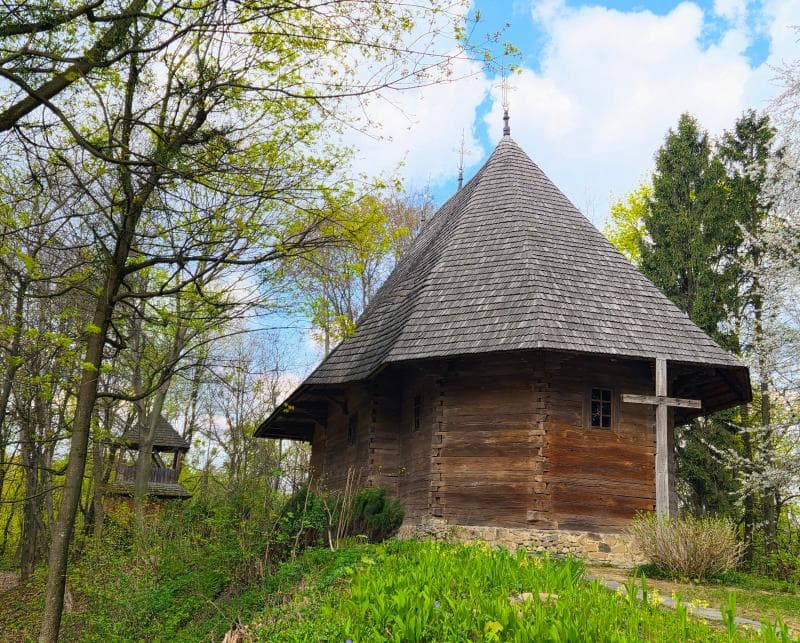
Explore Shevchenkivskyi Hai Open-Air Museum in Lviv, Ukraine. Discover traditional Ukrainian folk architecture, historical buildings, and cultural heritage.
Overview
Nestled on the picturesque hills of Lviv, Ukraine, the Shevchenkivskyi Hai Open-Air Museum, formally known as the Klymentiy Sheptytsky Museum of Folk Architecture and Rural Life, offers a unique journey into the heart of Ukrainian heritage. This expansive 'skansen' or open-air museum is more than just a collection of artifacts; it's a living village dedicated to preserving and showcasing the traditional folk architecture, rural life, and customs of Western Ukraine's diverse ethnographic regions. Spread across a vast territory within the Znesinnia Regional Landscape Park, it presents an authentic glimpse into centuries past, inviting visitors to wander through a landscape dotted with historic wooden structures and experience the enduring spirit of Ukrainian village life.
The museum serves as a vital cultural institution, meticulously relocating and restoring over 120 architectural objects from the 18th to the 20th centuries. These include ancient wooden churches, traditional residential houses (khaty), farm buildings, mills, and workshops. Each structure, carefully furnished with period-appropriate household items, tools, and national costumes, creates an immersive atmosphere, providing a deep understanding of the daily rhythms, social customs, and craftsmanship that shaped the lives of people in the Carpathian region.
History & Cultural Background
The vision for an open-air museum in Lviv emerged in the 1920s, spearheaded by the renowned Ukrainian scholar Ilarion Sventsitskyi, who sought to safeguard unique examples of folk architecture for future generations. The foundational stone of the future museum was laid in 1930 with the relocation of the wooden Church of St. Nicholas, originally built in 1761 in the village of Kryvka. This significant act marked the beginning of a dedicated effort to preserve endangered architectural monuments.
The official establishment of the Museum of Folk Architecture and Rural Life followed in 1971, opening its doors to visitors in 1972. The museum's development involved a concerted effort to rescue and reconstruct farmsteads from various Western Ukrainian villages that faced demolition or abandonment. In 2016, the museum was formally named after the Blessed Klymentiy Sheptytsky, though it is still widely known by its popular name, 'Shevchenkivskyi Hai'. This name refers to Taras Shevchenko, a revered Ukrainian poet, and 'hai' means grove or forest, reflecting its wooded setting.
What Makes It Special
What truly sets Shevchenkivskyi Hai apart is its comprehensive representation of Western Ukraine's rich ethnographic diversity. The museum's territory is thoughtfully divided into six ethnographic zones, each functioning as a 'mini-village' composed of 15-20 architectural monuments, showcasing the distinct architectural styles and lifestyles of regions like Boykivshchyna, Lemkivshchyna, Hutsulshchyna, Bukovyna, Lvivshchyna, and Podillia.
Among its impressive collection of over 120 architectural objects and approximately 22,000 artifacts, the museum boasts a remarkable assembly of seven wooden churches, representing one of Europe's largest collections of religious wooden architecture in a single location. These finely proportioned timber structures, with their shingled roofs, tiered domes, and hand-carved iconostases, are architectural masterpieces. Beyond the churches, visitors can explore residential houses, windmills, watermills, sawmills, a blacksmith's forge, and even a school, all meticulously restored to their original condition.
Stories, Fun Facts & Local Details
Many of the buildings within Shevchenkivskyi Hai carry fascinating stories. The Church of St. Nicholas from Kryvka, dating back to 1763, is not only one of the oldest but also an active church where services are still held, connecting past traditions with contemporary spiritual life. Another notable structure is the Church of St. Paraskeva (1822) from Stoianiv, which was fortunately preserved and relocated to the museum, saving it from a potential fate of destruction.
The museum also features an oldest peasant house from 1749, offering a glimpse into the earliest preserved rural dwellings. Visitors can discover unique examples like a rare Art Nouveau wooden Catholic chapel from the early 20th century, which has no analogues in Ukraine. Beyond static displays, Shevchenkivskyi Hai is a vibrant cultural hub. It regularly hosts folk festivals, traditional holidays, fairs, and workshops where guests can try their hand at ancient crafts such as pottery, blacksmithing, or weaving, providing a truly interactive cultural immersion.
Visitor Perspective
A visit to Shevchenkivskyi Hai is an incredibly immersive experience, feeling less like a museum and more like a journey back in time. As you stroll along the winding paths, through groves of pine and oak, you are transported to a traditional Western Ukrainian village. Entering the wooden houses reveals interiors furnished with authentic items – from traditional furniture and household utensils to farming tools and regional costumes – creating a complete sense of being in the past.
The serene atmosphere, combined with the educational richness, makes it an ideal destination for curious travelers. It's recommended to allocate at least two to three hours to leisurely explore the extensive grounds, taking time to step inside the buildings and absorb the unique spirit of each ethnographic zone. Comfortable shoes are highly advisable for navigating the hilly terrain. Whether you're drawn by the architectural marvels, the historical narratives, or the desire to connect with Ukrainian culture, Shevchenkivskyi Hai offers a peaceful and profoundly enriching experience.
Coordinates: 24.0661, 49.84461
View on Google Maps💬 How Travelers Describe This Place
Based on community votes
Photogenic
795Interesting
753Must See
302Unique
172Beautiful
79
Traveler Stories
Discover memorable experiences shared by travelers who have visited this place.
No traveler stories yet.
Be the first traveler to share what made this place memorable.
Things to see at Shevchenkivskyi Hai Open-Air Museum



Tour
By
Spot
Discover amazing places around the world. Your journey starts here.
Explore
© 2026 TourBySpot. All rights reserved.