Seasonal Festivals
Lviv, Ukraine
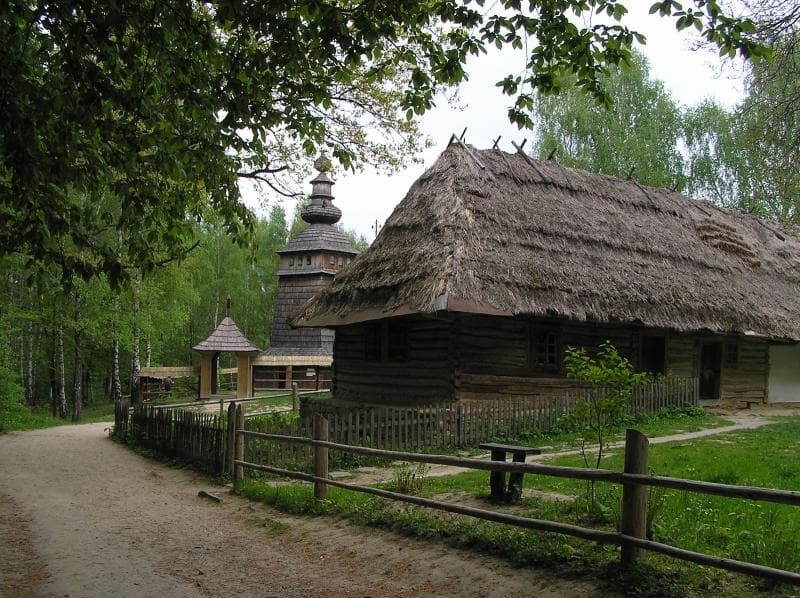
Experience authentic seasonal festivals at Shevchenkivskyi Hai Open-Air Museum in Lviv, Ukraine, celebrating rich Ukrainian traditions.
Overview
The Shevchenkivskyi Hai Open-Air Museum, officially known as the Klymentiy Sheptytsky Museum of Folk Architecture and Rural Life, is a vibrant cultural landmark nestled in Lviv, Ukraine. More than just a collection of static exhibits, this 'skansen' or open-air museum serves as a living cultural space, inviting visitors to step back in time and experience the authentic traditions of Western Ukrainian villages. Spanning approximately 84 hectares within the picturesque Znesinnia Regional Landscape Park, it brings together over 120 architectural objects from the 18th to the 20th centuries. Throughout the year, Shevchenkivskyi Hai is renowned for its seasonal festivals, folk holidays, and fairs, which transform the museum into a bustling hub of cultural celebration. These events offer a unique opportunity to witness traditional crafts, enjoy folk music, and taste authentic Ukrainian cuisine, providing a deep immersion into the region's rich heritage.
History & Cultural Background
The vision for Shevchenkivskyi Hai originated in the 1920s with Professor Ilarion Sventsitskyi, who sought to preserve the unique examples of folk architecture for future generations. The foundational piece of this ambitious project was the wooden Church of St. Nicholas from the village of Kryvka, originally built in 1761, which was carefully relocated to Lviv in the 1930s. This marked the beginning of what would become a meticulously curated collection. The museum officially opened its doors to visitors in 1972, following the reorganization of the Department of Folk Construction into the Museum of Folk Architecture and Rural Life in 1971. The site is organized into several ethnographic zones, each representing a distinct region of Western Ukraine, such as Boykivshchyna, Lemkivshchyna, Hutsulshchyna, and Bukovyna. Each building, from ancient wooden churches to residential houses and outbuildings, was carefully moved and restored to accurately reflect the spirit and daily life of Ukrainian villages from centuries past.
What Makes It Special
What truly sets Shevchenkivskyi Hai apart is its dynamic approach to cultural preservation; it is not merely an exhibition but an interactive experience where history comes alive. Visitors can explore authentic village houses, churches (some dating back to the 18th century), windmills, and even a working blacksmith shop. The museum boasts the largest number of ancient wooden temples among all 'skansens' worldwide, offering an unparalleled glimpse into sacral architecture. Beyond observing, guests can participate in various hands-on workshops, learning traditional crafts such as pottery, weaving, Easter egg painting, bread baking, or playing authentic folk musical instruments. The museum's frequent seasonal festivals are its pulsating heart, drawing crowds with traditional music, dances, and culinary delights, fostering a profound connection to Ukrainian traditions.
Stories, Fun Facts & Local Details
The seasonal festivals at Shevchenkivskyi Hai are steeped in rich folklore and communal celebration. The Easter Festival, known for its traditional spring circle dances or 'haivky,' is a particularly significant event where people gather to sing, dance, and engage in age-old games. In recent times, this festival has taken on even deeper meaning, seeing Ukrainian veterans, including those in wheelchairs, participate in 'haivky,' showcasing remarkable resilience and the enduring spirit of Ukrainian traditions. During winter, the 'Flash of the Christmas Star' festival lights up the museum with carols, nativity plays, and the irresistible aroma of traditional donuts. Other notable events include the 'Honey Festival' and the 'Ethnovyr' international folklore festival, which brings diverse cultures together through music and dance. The 'Krayina Mriy' (Dreamland) folk music festival is another highlight, where wearing national embroidery can serve as an entrance pass, featuring Ukrainian and international bands alongside craft fairs and traditional food tasting. Interestingly, the museum site was once the villa of Franz Lonshan, a Lviv city mayor and head of the local Masonic lodge.
Visitor Perspective
Visiting Shevchenkivskyi Hai offers an immersive and unforgettable experience, truly allowing history to come alive around you. It provides a rare chance to travel through time and be enveloped in the atmosphere of an ancient Ukrainian village, offering a sense of peace and harmony away from the city's hustle. Many visitors describe it as a 'place for the soul.' To fully appreciate the museum's extensive grounds and its rich offerings, especially during a festival, planning a visit that lasts half a day or even a full day is highly recommended. As you wander through the picturesque paths, you might encounter farm animals like sheep, goats, or even swans, adding to the rural charm. The museum's authentic settings provide countless opportunities for atmospheric photos. While the museum is generally open daily, operating hours can vary seasonally, so checking the official website for the most current schedule and event details before your visit is always advisable.
Coordinates: 24.0661, 49.84461
View on Google Maps💬 How Travelers Describe This Place
Based on community votes
Beautiful
954Unique
514Photogenic
316Interesting
196Must See
66
Traveler Stories
Discover memorable experiences shared by travelers who have visited this place.
No traveler stories yet.
Be the first traveler to share what made this place memorable.

Tour
By
Spot
Discover amazing places around the world. Your journey starts here.
Explore
© 2026 TourBySpot. All rights reserved.