Wooden Churches
Lviv, Ukraine
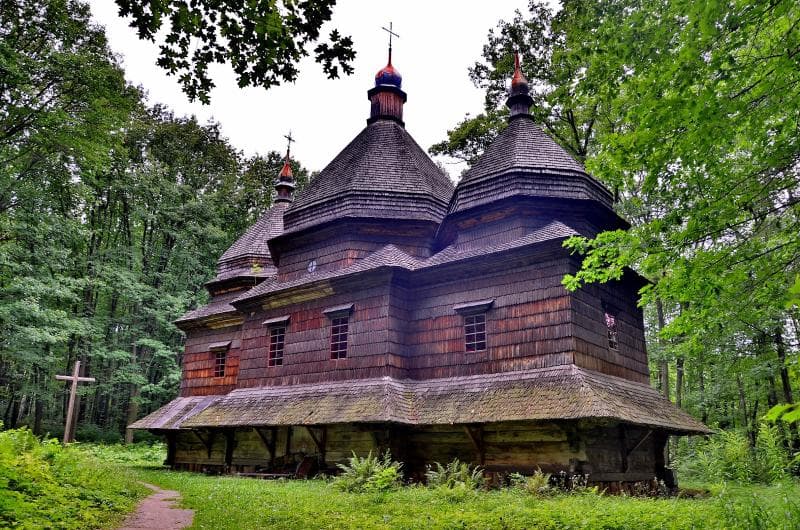
Discover the historic Wooden Churches at Shevchenkivskyi Hai Open-Air Museum in Lviv, Ukraine. Explore traditional architecture and rich cultural heritage.
Overview
Nestled within the picturesque landscape of Shevchenkivskyi Hai Open-Air Museum in Lviv, Ukraine, lies a captivating collection of historic wooden churches. This unique 'museum village' serves as a vibrant testament to the rich architectural and spiritual heritage of Western Ukraine. The Shevchenkivskyi Hai, also known as the Museum of Folk Architecture and Rural Life, is a sprawling ethnographic complex dedicated to preserving and showcasing the traditional rural life and distinct building styles from various regions, notably the Ukrainian Carpathians.
As you wander through the museum's forested paths, you encounter a remarkable array of structures, with the wooden churches standing out as particularly striking examples of craftsmanship and cultural significance. These sacred buildings, carefully relocated from their original villages, offer an immersive journey into the past, presenting a tangible link to the spiritual practices and artistic traditions of generations gone by.
History & Cultural Background
The vision for an open-air museum dedicated to preserving Ukrainian folk architecture began to take shape in the 1920s, largely spearheaded by the esteemed Ukrainian scholar Ilarion Svientsitsky. His pioneering efforts led to the relocation of the first wooden church, St. Nicholas Church from Kryvka village, to the future museum site in 1930. This act marked the foundational step in creating what would become a significant cultural institution.
The Shevchenkivskyi Hai Open-Air Museum officially opened its doors to visitors in the early 1970s, established with the core mission of conserving wooden folk architecture and everyday artifacts from diverse ethnographic zones of Western Ukraine. These zones include areas such as Boykivshchyna, Lemkivshchyna, Hutsulshchyna, Bukovyna, Podillia, and Lvivshchyna, each contributing its unique architectural nuances and cultural narratives to the museum's extensive collection.
The museum's creation involved a meticulous process of dismantling, transporting, and reassembling authentic structures, ensuring that each building retained its historical integrity and contextual significance. This careful preservation work allows visitors today to experience a genuine representation of 18th to 20th-century Ukrainian village life.
What Makes It Special
The Wooden Churches of Shevchenkivskyi Hai are truly exceptional, collectively forming one of Europe's largest concentrations of ancient wooden religious buildings in a single location. The museum is home to approximately seven wooden churches, each a masterpiece of traditional timber construction, showcasing varying regional styles and religious traditions.
These churches are distinguished by their intricate architectural details, including distinct shingled roofs, elegantly tiered domes, and masterfully hand-carved iconostases. The structural ingenuity and aesthetic beauty reflect the deep spiritual devotion and artistic skill of their original builders. Unlike conventional indoor museums, Shevchenkivskyi Hai offers an immersive atmosphere where these sacred structures are set within a natural, park-like environment, allowing them to feel as though they are still part of their original rural settings.
The preservation of these churches, often saved from modernization or destruction, highlights a profound commitment to cultural heritage. They stand as enduring symbols of Ukrainian identity and spiritual resilience, offering a rare glimpse into a building tradition that is both historically significant and visually captivating.
Stories, Fun Facts & Local Details
Among the museum's celebrated wooden churches, the St. Nicholas Church from Kryvka holds a special place. This 18th-century gem was the very first church to be brought to the museum site in 1930, famously saved from destruction. Its story is a poignant reminder of the early efforts to safeguard these irreplaceable cultural treasures. Today, this historic church remains active, with services still held within its venerable wooden walls.
The museum itself houses over 120 architectural objects in total, spread across its extensive grounds, creating a mosaic of Ukrainian village life. This impressive collection makes Shevchenkivskyi Hai one of the largest open-air museums in Europe.
Visitors can often experience demonstrations of traditional crafts, such as blacksmithing, pottery, and weaving, which further enhance the sense of stepping back in time. The museum is ingeniously organized into distinct ethnographic zones, each designed to replicate a miniature village, offering a comprehensive look at the unique lifestyles and architectural styles of different Ukrainian regions.
Visitor Perspective
A visit to the Wooden Churches of Shevchenkivskyi Hai is much more than a simple tour; it is an engaging journey into the soul of Western Ukraine. Visitors are encouraged to allocate at least two to three hours to explore the museum thoroughly, allowing ample time to wander the scenic paths and appreciate the intricate details of the churches and other historical buildings. Comfortable footwear is highly recommended due to the extensive walking involved.
This immersive experience offers a unique opportunity to 'feel the antiquity' and understand how people lived in the Carpathian region centuries ago. Stepping inside the authentically furnished church interiors, one can almost hear the echoes of past prayers and sense the enduring spirit of the communities that once worshipped there. It is a profoundly enriching cultural immersion, leaving visitors with a deeper appreciation for Ukraine's rich historical tapestry and enduring traditions.
Coordinates: 24.0661, 49.84461
View on Google Maps💬 How Travelers Describe This Place
Based on community votes
Unique
981Beautiful
795Must See
753Photogenic
439Interesting
66
Traveler Stories
Discover memorable experiences shared by travelers who have visited this place.
No traveler stories yet.
Be the first traveler to share what made this place memorable.

Tour
By
Spot
Discover amazing places around the world. Your journey starts here.
Explore
© 2026 TourBySpot. All rights reserved.