Historic Interiors
Lviv, Ukraine
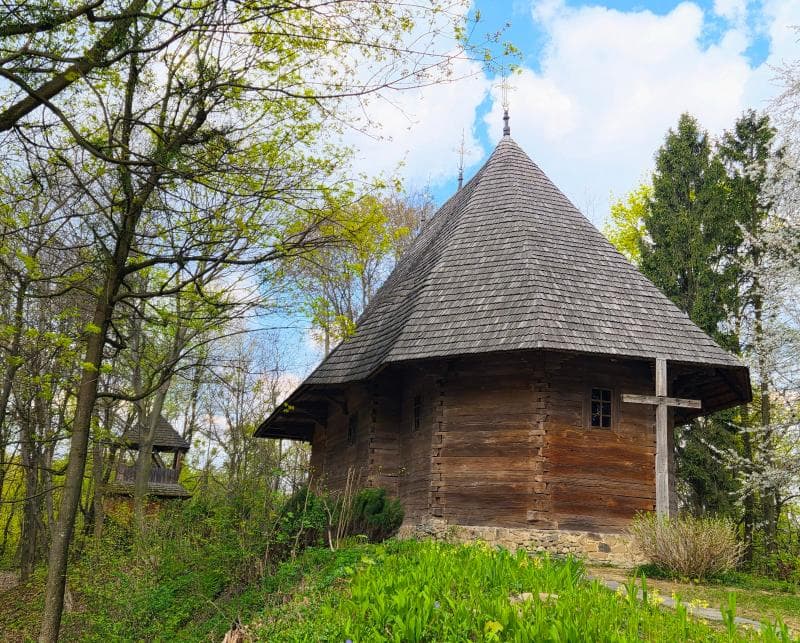
Explore the Historic Interiors at Shevchenkivskyi Hai Open-Air Museum in Lviv, Ukraine, and discover authentic 18th-20th century Ukrainian village life.
Overview
Stepping into the 'Historic Interiors' at Shevchenkivskyi Hai Open-Air Museum in Lviv, Ukraine, is like journeying back in time. This sub-spot within the expansive museum offers a deeply immersive experience into the traditional rural life and cultural heritage of Western Ukraine from the 18th to the 20th centuries. The museum, officially known as the Klymentiy Sheptytsky Museum of Folk Architecture and Rural Life, is one of Europe's largest open-air ethnographic complexes. It meticulously showcases over 120 architectural objects, carefully relocated from various ethnographic regions such as Boykivshchyna, Lemkivshchyna, Hutsulshchyna, Bukovyna, and Podillia. Each structure, from humble peasant houses to impressive wooden churches, is furnished with authentic artifacts, inviting visitors to explore the intimate details of past daily life.
Unlike typical museums where exhibits are viewed from a distance, Shevchenkivskyi Hai encourages you to enter and truly experience the historical settings. The 'Historic Interiors' are not merely displays but preserved snapshots of homes, workshops, and religious buildings, complete with their original furniture, household items, tools, national costumes, and pottery. This rich collection, comprising over 21,000 artifacts, paints a vivid picture of the resourcefulness and artistry of Ukrainian folk culture.
History & Cultural Background
The vision for Shevchenkivskyi Hai began in the 1920s with Professor Ilarion Svientsitskyi, who recognized the urgent need to preserve the unique wooden architecture and cultural heritage of Western Ukraine. The museum was officially established in 1971, with its doors opening to visitors in 1972, following decades of dedicated work to rescue and relocate endangered historical structures. Its primary mission was to save these monuments from destruction, painstakingly moving entire buildings, including ancient traditional houses (khaty), churches, and farm buildings, from all over Western Ukraine to this picturesque location in Lviv. This preservation effort has resulted in a living repository of national traditions, serving as a vital center for cultural revival.
The structures within the museum represent different regional styles, reflecting the cultural diversity of the Carpathian foothills. Each ethnographic zone functions as a miniature village, offering a distinct journey through the architectural and lifestyle traditions of groups like the Boykos, Lemkos, and Hutsuls.
What Makes It Special
What truly sets the 'Historic Interiors' apart is their remarkable authenticity and the emphasis on immersive experience. Every house and outbuilding is meticulously furnished to convey the spirit and way of life of a Ukrainian village from centuries past. You'll find intricately carved wooden furniture, hand-woven textiles, traditional pottery, and agricultural tools, all arranged as they would have been used. The oldest exhibit, a peasant house dating back to 1749, offers a rare glimpse into very early rural life.
Beyond the residential dwellings, the museum features historical churches, some of which are still active, alongside functional buildings like windmills and a working blacksmith shop. The variety of architectural details, from notched log walls to clay ovens and decorative door lintels, highlights the ingenuity of rural builders who expertly adapted to local materials and climatic conditions. This deep level of detail provides an unparalleled opportunity to connect with the past on a personal level.
Stories, Fun Facts & Local Details
One of the most compelling stories within the museum involves the wooden Church of St. Nicholas, dating from 1761 or 1763, which was originally located in the village of Kryvka. This masterpiece of folk architecture was one of the first and most valuable exhibits relocated to the museum, saved from destruction through preservation efforts. Its intricate carvings and unique Boyko style make it a national and even European treasure.
The museum regularly hosts vibrant folklore festivals, traditional holidays, and craft workshops, bringing the history to life. Imagine witnessing a blacksmith at work, trying your hand at pottery, or learning about traditional baking techniques – these activities transform a visit into an interactive cultural immersion. The museum is a living space where history is not just displayed but actively recreated and celebrated, allowing visitors to 'touch' history and participate in authentic Ukrainian traditions.
Visitor Perspective
For the curious traveler, exploring the 'Historic Interiors' is an enriching and contemplative experience. As you wander through the themed micro-villages, you'll feel a tangible connection to the lives of the people who once inhabited these homes. Walking through a recreated kitchen, you might almost smell the traditional cooking, or peering into a bedroom, you can imagine the daily routines of families long ago. The atmosphere emphasizes immersion, providing insights into social customs, agricultural practices, and family traditions. The natural setting of the museum, nestled within the Znesinnia Regional Landscape Park, adds to the tranquil and informative ambiance, making it a perfect place for leisurely exploration and reflection. Allow ample time, perhaps 2-3 hours or more, to fully appreciate the extensive collection and the profound sense of history that permeates every corner of these carefully preserved interiors.
Coordinates: 24.065895, 49.844595
View on Google Maps💬 How Travelers Describe This Place
Based on community votes
Photogenic
674Must See
585Beautiful
546Interesting
503Unique
92
Traveler Stories
Discover memorable experiences shared by travelers who have visited this place.
No traveler stories yet.
Be the first traveler to share what made this place memorable.

Tour
By
Spot
Discover amazing places around the world. Your journey starts here.
Explore
© 2026 TourBySpot. All rights reserved.