Saint Sofia Church
Sofia, Bulgaria
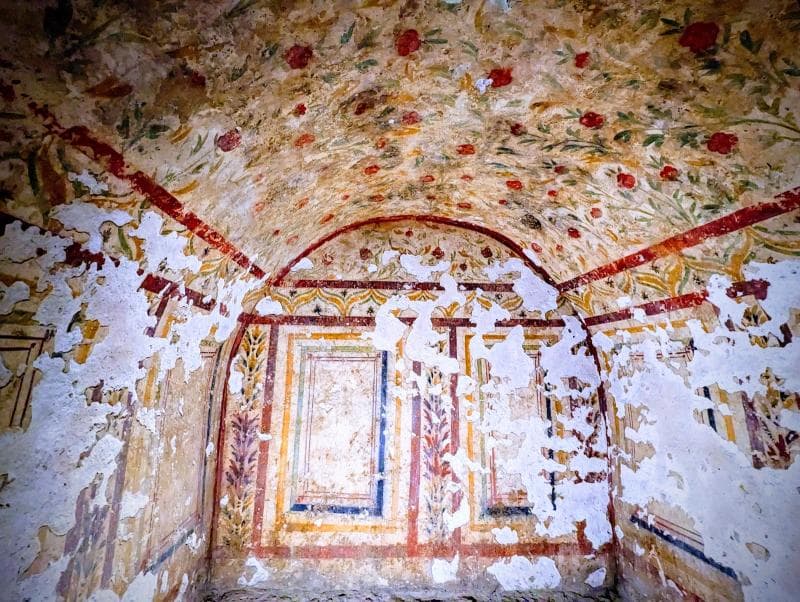
Discover Saint Sofia Church in Sofia, Bulgaria, one of Europe's oldest basilicas and the namesake of the capital city. Explore its rich history and ancient necropolis.
Overview
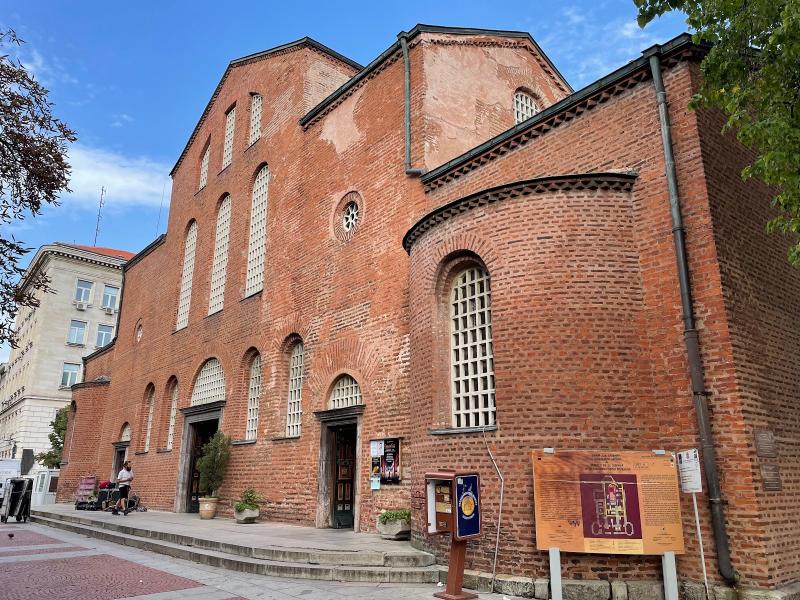
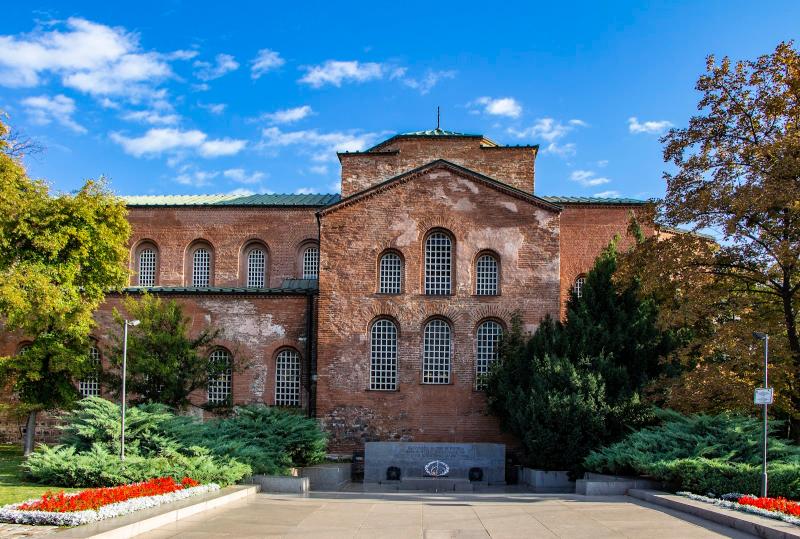
Nestled in the heart of Sofia, Bulgaria, the Saint Sofia Church stands as a profound testament to centuries of history and spiritual resilience. Often overshadowed by its grander neighbor, the Alexander Nevsky Cathedral, this unassuming red-brick basilica is, in fact, one of the oldest and most historically significant buildings in the entire country. Its very name, which the city of Sofia adopted in the 14th century, signifies its deep connection to the Bulgarian capital's identity. The church's architecture, characterized by its strict, monumental beauty, reflects the transitional period from Roman traditions to the Byzantine style, making it a compelling site for those interested in early Christian design.
History & Cultural Background
The origins of the Saint Sofia Church trace back to the 4th century, built upon the site of a Roman necropolis and several older Christian temples in the ancient city of Serdica. This area served as a significant religious center, and fragments of mosaics from these earlier structures have been discovered beneath the current church. The present basilica, a cross-domed, three-nave structure with a distinctive basic cross design and two east towers, is believed to be the fifth iteration on this sacred ground. It was constructed during the reign of the Byzantine Emperor Justinian I in the mid-6th century (527-565 CE), making it a contemporary of Constantinople's famous Hagia Sophia. During the Second Bulgarian Empire (12th-14th centuries), the church achieved metropolitan status, further solidifying its importance. However, with the Ottoman conquest in the 16th century, the church was converted into a mosque, its 12th-century frescoes destroyed, and minarets added. The building suffered significant damage from earthquakes in the 19th century, leading to its abandonment as a mosque, and it subsequently served as a warehouse after Bulgaria's liberation in 1878. Restoration efforts began in the early 20th century, aiming to bring the temple's appearance as close as possible to its authentic late antiquity and early medieval form.
What Makes It Special
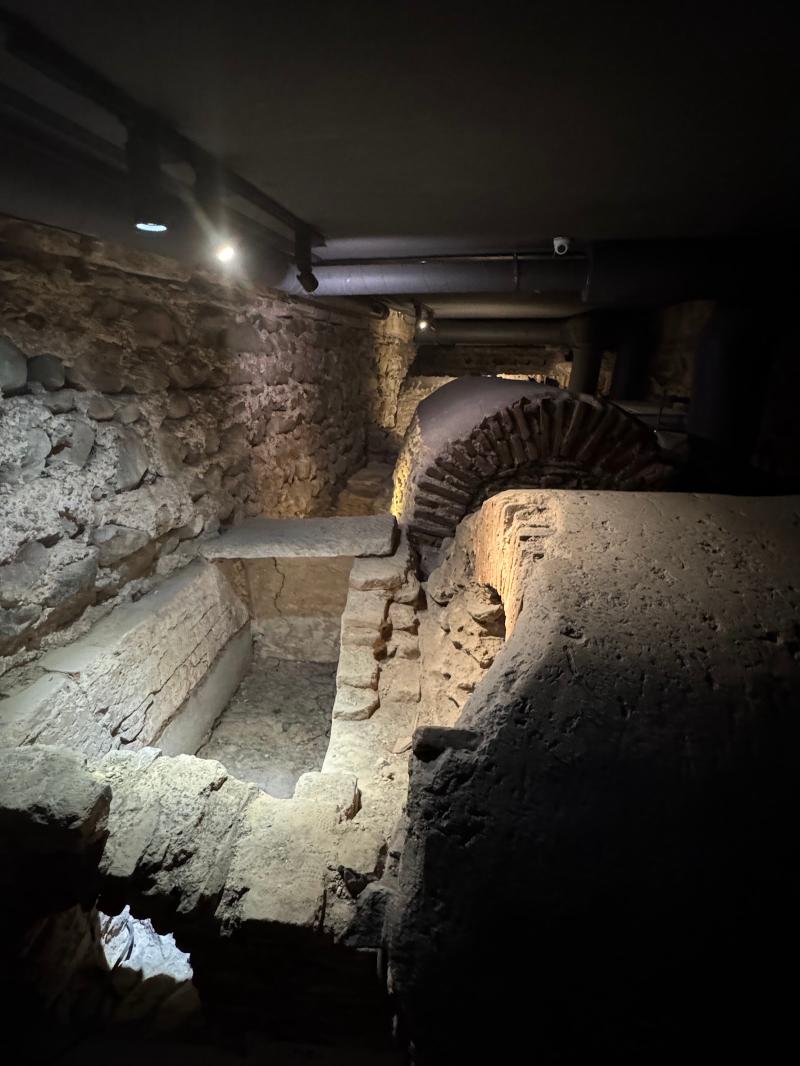
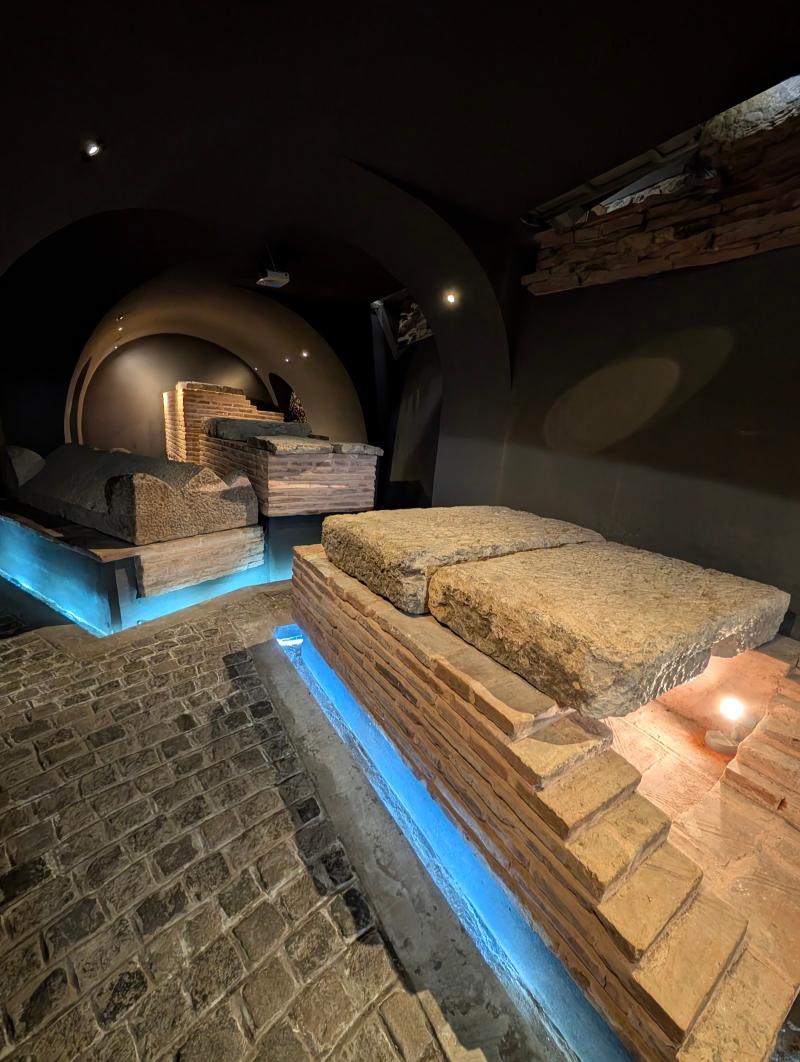
What truly sets the Saint Sofia Church apart is its profound historical layering, visible both above and especially below ground. Its relatively austere exterior belies the rich archaeological narrative contained within. The floor of the church features complex Early Christian ornamental mosaics depicting flora and fauna, offering a glimpse into the artistic traditions of its time. The most compelling aspect for many visitors is the underground necropolis museum. Here, one can explore ancient tombs dating from the 3rd and 4th centuries, including tomb pits, stone sarcophagi, and masonry tombs with semi-cylindrical vaults. Walking through these subterranean spaces, visitors can clearly discern the architectural layers of the various churches that preceded the current basilica, providing a unique chronological journey through Sofia's past. This site offers an immersive experience, revealing the city's continuous Christian heritage rooted in the Roman town of Serdica.
Stories, Fun Facts & Local Details
The church carries a remarkable historical distinction: the city of Sofia was named after it in the 14th century, originally known as Serdica or Sredets. The name 'Sophia' itself translates to 'Holy Wisdom,' referring to the Divine Wisdom, not a specific saint, although modern interpretations sometimes associate it with Saint Sophia the Martyr. Local lore suggests that the church's 'miraculous powers' protected the building from various invasions and natural disasters over the centuries. A poignant story from the Ottoman period recounts how, after an earthquake destroyed a minaret and tragically killed the imam's two sons, Muslims considered it a bad omen and abandoned the site. The church is strategically located amidst other significant landmarks, with the Monument of the Unknown Soldier to its south and the tomb of the revered Bulgarian poet Ivan Vazov to its east, creating a historically dense corner of the city.
Visitor Perspective
Visiting the Saint Sofia Church offers a tranquil and reflective experience, a stark contrast to the often bustling energy of its larger neighbor. The main church is typically free to enter and is open daily, though hours may vary slightly by season. To fully appreciate the site's deep history, a visit to the underground necropolis museum is highly recommended, and it requires a modest entry fee. This journey beneath the church floor is arguably the most fascinating part of the experience, offering incredible value for its historical insights. Located centrally at ul. Paris 2, the church is easily accessible. The nearest metro station, Sofia University (Line 2), is just a short walk away, and numerous bus and tram routes serve the area. Allowing 10-30 minutes for the main church and up to an hour if exploring the catacombs provides ample time to soak in the atmosphere and marvel at the layers of history preserved within this ancient edifice.
Coordinates: 23.3255, 42.6912
View on Google Maps💬 How Travelers Describe This Place
Based on community votes
Photogenic
934Unique
879Interesting
741Must See
482Beautiful
396
Traveler Stories
Discover memorable experiences shared by travelers who have visited this place.
No traveler stories yet.
Be the first traveler to share what made this place memorable.
Things to see at Saint Sofia Church



Tour
By
Spot
Discover amazing places around the world. Your journey starts here.
Explore
© 2026 TourBySpot. All rights reserved.