Underground Necropolis
Sofia, Bulgaria
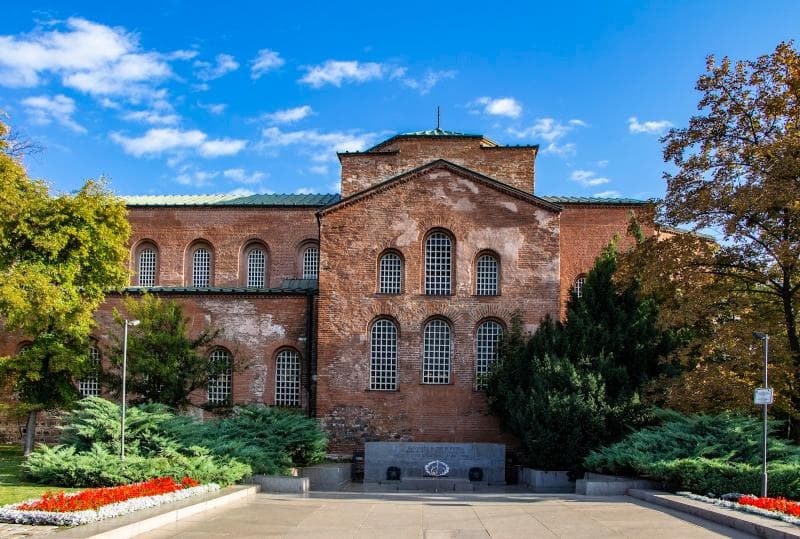
Explore Sofia's Underground Necropolis beneath Saint Sofia Church. Discover Roman tombs, ancient mosaics, and early Christian history in Bulgaria.
Overview
Beneath the bustling streets of modern Sofia, Bulgaria, lies a hidden world of ancient history and profound spiritual significance: the Underground Necropolis of the Saint Sofia Church. This remarkable archaeological site offers a unique glimpse into the city's layered past, revealing centuries of Roman and early Christian heritage. Often considered one of Sofia's oldest churches, the Saint Sofia Basilica itself lends its name to the capital city, making the subterranean necropolis an essential part of Sofia's identity.
As you descend into this underground realm, you embark on a journey through time, traversing the remains of several earlier churches and a vast Roman burial ground. The necropolis is a silent testament to the continuous settlement and rich cultural tapestry of what was once the Roman city of Serdica. Here, preserved within its cool, dimly lit chambers, visitors can explore a network of tombs, intricate mosaics, and the foundations of basilicas that predate the current structure, providing an immersive experience into the spiritual and daily life of ancient inhabitants.
History & Cultural Background
The history of the Saint Sofia Church and its underlying necropolis is deeply intertwined with the evolution of Sofia itself. The area where the church now stands was originally part of the eastern necropolis of the ancient Roman city of Serdica. The earliest Christian worship structures on this site date back to the 4th century CE, built directly atop or alongside these Roman burial grounds.
Over the centuries, a succession of at least three earlier churches stood on this very spot, each built, destroyed, and rebuilt, reflecting periods of conflict and transformation. The current Saint Sofia Church, a magnificent example of early Christian architecture in the Balkans, is believed to be the fifth structure and was largely constructed in the 6th century during the reign of Byzantine Emperor Justinian I. Its foundations reach nearly five meters underground, showcasing the impressive scale of its construction. This historical layering means that walking through the underground necropolis is literally stepping through millennia of religious and civic development, from Roman burials to early Christian basilicas. The city of Sofia eventually took its name from this revered church in the 14th century, underscoring its enduring significance.
What Makes It Special
The Underground Necropolis is exceptional for its remarkably preserved archaeological layers. It houses approximately 50 tombs, dating from the 3rd to the 5th centuries AD. These include a variety of burial types such as stone sarcophagi, simple cemetery graves, and masonry brick tombs, some of which feature semi-cylindrical vaults. A particularly captivating discovery is the painted tomb of Honorius, a 5th-century burial adorned with an inscription reading 'Honorius, servant of God', making it a rare and personal artifact from that era.
Beyond the tombs, visitors can marvel at fragments of intricate early Christian ornamental mosaics that once graced the floors of the earlier basilicas. These mosaics, along with rare mural paintings found in some vaulted tombs, offer precious insights into the artistic and religious symbolism prevalent in early Christianity. The presence of silver reliquaries, discovered beneath the church, further highlights the site's importance as a significant religious center in ancient times.
Stories, Fun Facts & Local Details
Imagine a time when the Roman city of Serdica thrived, and this very ground, now a hallowed space, was its final resting place for many. The continuity of sacred use, from a Roman necropolis to a sequence of Christian churches, tells a powerful story of transformation. It's fascinating to consider that the modern city of Sofia owes its name to this ancient church and, by extension, to the 'Holy Wisdom' it represents.
A poignant detail is how the church was used and then abandoned through various periods. After suffering damage from earthquakes in the 19th century, it was even used as a fire watchtower before its full historical and archaeological value was recognized and extensive restoration began in the early 20th century. This resilience and constant re-discovery make the site feel alive with the echoes of past generations. The archaeological complex beneath the basilica serves as a branch of The Regional History Museum Sofia, ensuring its scholarly care and presentation to the public.
Visitor Perspective
Visiting the Underground Necropolis is a profoundly atmospheric and engaging experience. As you descend from the contemporary church into the subterranean levels, the air grows cooler, and a sense of reverence for the past envelops you. The carefully preserved archaeological layers are masterfully presented, allowing a clear understanding of the site's evolution. Informative display panels, often in both Bulgarian and English, guide you through the various periods and explain the significance of the artifacts and structures you encounter.
Exploring the complex network of tombs, the remnants of ancient walls, and the subtle beauty of the mosaics instills a deep appreciation for Sofia's rich heritage. It is a journey that connects you directly to the lives and beliefs of people who lived centuries ago, standing as a quiet, powerful testament to the layers of history beneath your feet. It's an essential visit for anyone interested in archaeology, early Christian history, or simply uncovering the hidden depths of one of Europe's oldest capitals.
Coordinates: 23.331425, 42.6965083
View on Google Maps💬 How Travelers Describe This Place
Based on community votes
Photogenic
685Interesting
446Beautiful
152Unique
33Must See
16
Traveler Stories
Discover memorable experiences shared by travelers who have visited this place.
No traveler stories yet.
Be the first traveler to share what made this place memorable.

Tour
By
Spot
Discover amazing places around the world. Your journey starts here.
Explore
© 2026 TourBySpot. All rights reserved.