Church Garden
Sofia, Bulgaria
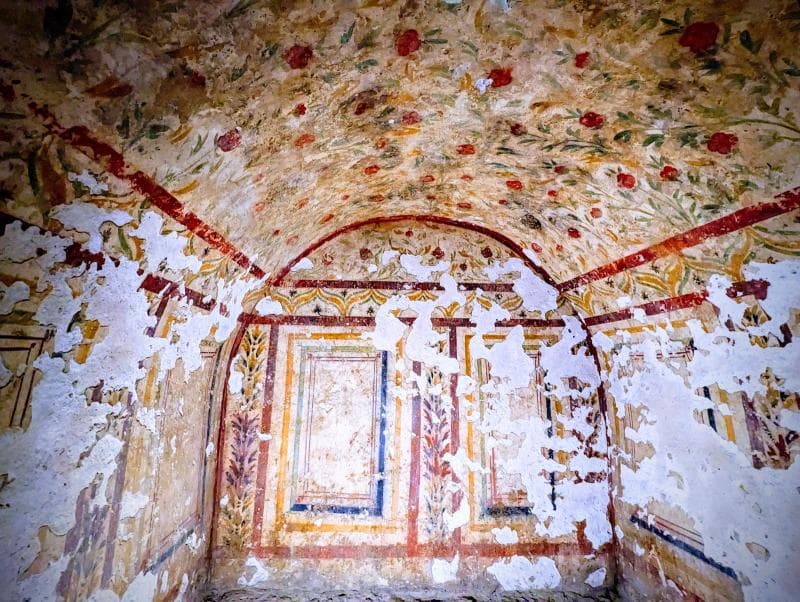
Explore the historic Church Garden of Saint Sofia Church in Sofia, Bulgaria, an ancient necropolis and memorial site.
Overview
The area referred to as the 'Church Garden' of Saint Sofia Church in Sofia, Bulgaria, is more accurately described as the historic grounds or churchyard surrounding this venerable basilica. It is not a manicured garden in the conventional sense, but rather an archaeological landscape and a place of national remembrance. This open space, rich with layers of history, serves as a tranquil yet profound outdoor extension of the church itself, offering visitors a glimpse into Sofia's ancient past and its enduring spirit. Located in the heart of the capital, directly adjacent to the grand Alexander Nevsky Cathedral, the grounds provide an essential historical context for one of Europe's oldest Christian places of worship.
Far from being just a green space, the churchyard encapsulates millennia of human activity. It stands over an ancient Roman necropolis, with archaeological discoveries continuously revealing the city's deep roots. Amidst these historical layers, the grounds also host significant national memorials, most notably the Monument of the Unknown Soldier. This juxtaposition of ancient burials and modern tributes creates a unique atmosphere of reverence and contemplation, inviting those who stroll through it to connect with the numerous epochs that have shaped Sofia.
History & Cultural Background
The history of Saint Sofia Church and its surrounding 'Church Garden' is inextricably linked to the very foundation and naming of the city of Sofia. The present basilica, believed to be the fifth structure on this sacred site, was constructed in the mid-6th century during the reign of Byzantine Emperor Justinian I. However, the grounds themselves boast an even older heritage. The church stands directly upon a vast ancient necropolis of the Roman town of Serdica, dating back to the 3rd and 4th centuries. Prior to the basilica, the site also hosted several earlier Christian churches and even a Roman theatre in the 2nd century.
Over centuries, invading forces such as the Goths and Huns destroyed previous structures, but a new church invariably rose from the ruins, testifying to the site's enduring spiritual importance. This continuous rebuilding on ancient foundations means the ground beneath and around the church is a living archaeological museum, with tomb pits, stone sarcophagi, and early Christian masonry tombs frequently unearthed. Culturally, the most significant aspect of this site is that the city of Sofia itself was named after the Saint Sofia Church in the 14th century, a testament to the church's central role in the city's identity. The 'Church Garden' thus serves as a symbolic heart, where the physical remains of the past continue to shape the present.
What Makes It Special
The 'Church Garden' of Saint Sofia Church is special for several compelling reasons. Firstly, its status as an ancient necropolis makes it a unique open-air archaeological site. Walking its grounds means treading over centuries of history, with excavations revealing Roman tombs and remnants of earlier churches just beneath the surface. This offers a tangible connection to the layers of civilization that have existed here, far predating the current church building.
Secondly, the grounds are home to the Monument of the Unknown Soldier, a powerful symbol of national pride and remembrance. This memorial, with its eternal flame, honors those who have died for Bulgaria, adding a solemn and reflective dimension to the site. Nearby lies the tomb of Ivan Vazov, one of Bulgaria's most revered poets and novelists, whose literary contributions greatly influenced Bulgarian language and literature. The presence of these monuments transforms the churchyard into a national pantheon, where history, faith, and national identity converge. The relatively austere exterior of the Saint Sofia Church, compared to the more ornate Alexander Nevsky Cathedral nearby, allows the historical weight of its grounds to truly shine, making it a place of quiet historical contemplation rather than grand architectural display.
Stories, Fun Facts & Local Details
One of the most fascinating stories associated with the Saint Sofia Church, and by extension its 'Church Garden', is the origin of Sofia's name. Many visitors are surprised to learn that the capital city was named *after* this church, not the other way around. In the 14th century, the growing settlement around the church adopted its name, replacing its previous name of Serdica (or Sredets), a testament to the church's profound historical and spiritual influence on the region. This detail underscores the church's pivotal role not just as a religious edifice, but as a central pillar of the city's identity.
Another intriguing aspect is the continuous life of the site. For centuries, the area has been a place of burial, worship, and community gathering. Imagine Roman citizens mourning their dead in the necropolis that now lies beneath your feet, followed by early Christians building their places of worship, only for them to be repeatedly destroyed and rebuilt. This resilience is a core 'fun fact' – the current basilica is essentially the fifth iteration of a religious building on this very spot, each layer adding to the site's incredible historical depth. Today, amidst the bustling city life of Sofia, the church grounds remain a serene oasis where one can almost hear the echoes of past civilizations.
Visitor Perspective
For the curious traveler, the 'Church Garden' of Saint Sofia Church offers a uniquely contemplative experience. Unlike a traditional park, its charm lies in its raw historical authenticity. It is a place for quiet reflection, where the sounds of the modern city fade into the background, replaced by a profound sense of antiquity. As you walk the grounds, you are literally surrounded by history; the red-brick walls of the church itself tell tales of Byzantine architecture, while the ground beneath reveals glimpses of Roman Serdica.
The proximity to the Monument of the Unknown Soldier and the tomb of Ivan Vazov makes it a significant stop for understanding Bulgarian national identity and pride. It's a poignant reminder of the country's struggles and achievements. Furthermore, its location right next to the more opulent Alexander Nevsky Cathedral provides a striking contrast, allowing visitors to appreciate the understated, ancient beauty of Saint Sofia in its own right. This 'Church Garden' is not about manicured beauty, but about the powerful, unfiltered narrative of a city that has risen from the ashes time and again, always with the venerable Saint Sofia Church at its enduring heart.
Coordinates: 23.331425, 42.6965083
View on Google Maps💬 How Travelers Describe This Place
Based on community votes
Beautiful
934Must See
449Photogenic
326Unique
279Interesting
276
Traveler Stories
Discover memorable experiences shared by travelers who have visited this place.
No traveler stories yet.
Be the first traveler to share what made this place memorable.

Tour
By
Spot
Discover amazing places around the world. Your journey starts here.
Explore
© 2026 TourBySpot. All rights reserved.