Courtyard
Sofia, Bulgaria
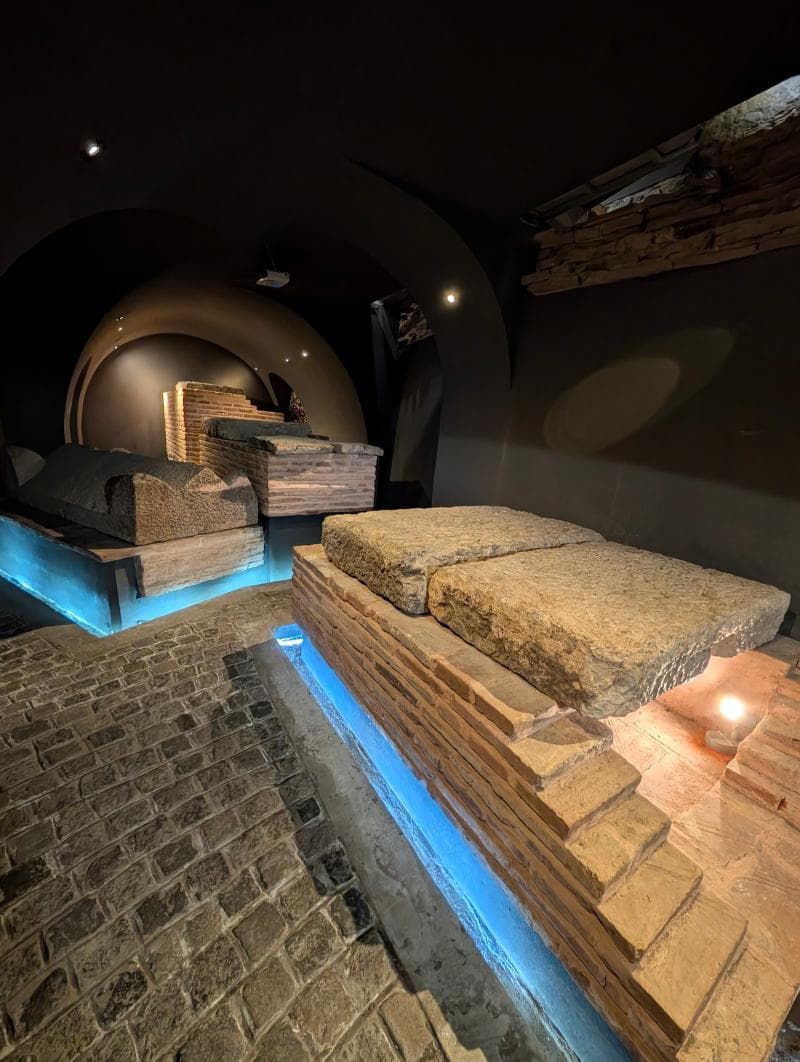
Explore the historic Courtyard of Saint Sofia Church in Sofia, Bulgaria, home to ancient Roman ruins, the Monument of the Unknown Soldier, and Ivan Vazov's tomb. Discover millennia of history.
Overview
Stepping into the Courtyard of Saint Sofia Church in Sofia, Bulgaria, transports visitors through layers of history. This open-air space, situated at the heart of the Bulgarian capital, is more than just an approach to one of the city's oldest churches; it is a historical tapestry woven with ancient Roman remnants, poignant national monuments, and a tranquil atmosphere. The church itself dates back to the 4th-6th centuries, and the surrounding area reflects its deep historical roots, offering a unique blend of archaeological discoveries and markers of national identity.
As you wander through the Courtyard, you'll encounter visual cues that speak to millennia of human activity. It's a place where the bustling modern city pauses, allowing for quiet reflection on the past. The Courtyard serves as an outdoor museum, complementing the profound history housed within the church's walls and its renowned underground necropolis. It's a must-visit for anyone seeking to understand Sofia's ancient foundations and cultural narrative.
History & Cultural Background
The history of the Saint Sofia Church and its Courtyard is intrinsically linked to the evolution of Sofia itself, a city that ultimately adopted the church's name in the 14th century. The site was originally a Roman necropolis, an ancient burial ground for the city then known as Serdica. Archaeological evidence suggests that several earlier churches stood on this very spot, with foundations dating back to the 4th century, built upon a 2nd-century Roman theatre.
The current basilica, believed to be the fifth structure here, was constructed in the mid-6th century during the reign of Byzantine Emperor Justinian I, reflecting the architectural prowess of that era. Over centuries, the church witnessed transformations, including its conversion into a mosque during Ottoman rule, before being restored as a church in the 19th and 20th centuries.
The Courtyard itself has evolved around these historical layers. To the south, you'll find the solemn Monument of the Unknown Soldier, a poignant tribute erected in honor of Bulgarian soldiers who sacrificed their lives for their homeland. To the east lies the tomb of Ivan Vazov, one of Bulgaria's most revered poets and novelists, whose literary contributions are central to the nation's cultural heritage. These monuments anchor the Courtyard in Bulgaria's more recent history, contrasting with the ancient Roman ruins that whisper tales of Serdica's distant past.
What Makes It Special
What truly sets the Courtyard of Saint Sofia Church apart is its remarkable juxtaposition of historical periods, all visible and accessible in one serene outdoor space. It offers a tangible connection to over two millennia of history, from the Roman Empire to modern Bulgaria. Unlike many historical sites where ancient layers are hidden, here you can literally walk above or alongside remnants of ancient Serdica.
Glass walkways allow visitors to gaze down upon excavated Roman streets, complete with drains and even a tiny octagonal baptistery, providing a unique 'underground' perspective without needing to descend. This visual access to the past is a powerful experience, revealing the continuous human presence on this hallowed ground. The presence of the Monument of the Unknown Soldier and Ivan Vazov's tomb within the same precinct adds layers of national significance, making the Courtyard a place of both ancient wonder and patriotic remembrance. It's a rare example of a space that so eloquently tells the story of a city and a nation through its landscape and monuments.
Stories, Fun Facts & Local Details
One of the most fascinating facts about this location is that the entire city of Sofia was named after this very church in the 14th century, symbolizing its profound significance throughout the centuries. According to popular lore, Saint Sophia's 'miraculous powers' are believed to have protected the building through numerous invasions and natural disasters, ensuring its survival as an elegant and symmetrical architectural marvel.
The Courtyard is often quieter than the bustling Alexander Nevsky Cathedral nearby, offering a peaceful retreat. It's common to see locals enjoying a moment of reflection by the Monument of the Unknown Soldier, which features an eternal flame and a lion sculpture, a symbol of Bulgaria. The tomb of Ivan Vazov, a national literary hero, serves as a pilgrimage spot for those who appreciate his seminal works, which include the epic novel 'Under the Yoke.' The visible Roman ruins beneath the glass walkways sometimes glow amber after dark, creating a magical atmosphere and reminding visitors of the ancient city that lies beneath their feet.
Visitor Perspective
For the curious traveler, the Courtyard of Saint Sofia Church is an essential part of any visit to Sofia. It offers a free and accessible outdoor experience that complements the church's interior and its paid catacombs. Visitors can easily spend time strolling through the Courtyard, admiring the ancient church's exterior, contemplating the national monuments, and peering down at the Roman foundations. It's an ideal spot for photography, especially with the distinctive red-brick facade of the church as a backdrop.
The location is central, making it easy to incorporate into a walking tour of Sofia's historical core. It's within a short walk of other major attractions, including the Alexander Nevsky Cathedral. The serene environment provides a moment of calm away from the city's lively pace, encouraging visitors to absorb the rich history and cultural narratives embedded in every stone. Whether you're a history enthusiast, a cultural explorer, or simply a traveler seeking a moment of peace, the Courtyard offers a meaningful and visually engaging experience.
Coordinates: 23.331425, 42.6965083
View on Google Maps💬 How Travelers Describe This Place
Based on community votes
Beautiful
958Must See
794Interesting
565Unique
157Photogenic
28
Traveler Stories
Discover memorable experiences shared by travelers who have visited this place.
No traveler stories yet.
Be the first traveler to share what made this place memorable.

Tour
By
Spot
Discover amazing places around the world. Your journey starts here.
Explore
© 2026 TourBySpot. All rights reserved.