Quiapo Church
Manila, Philippines
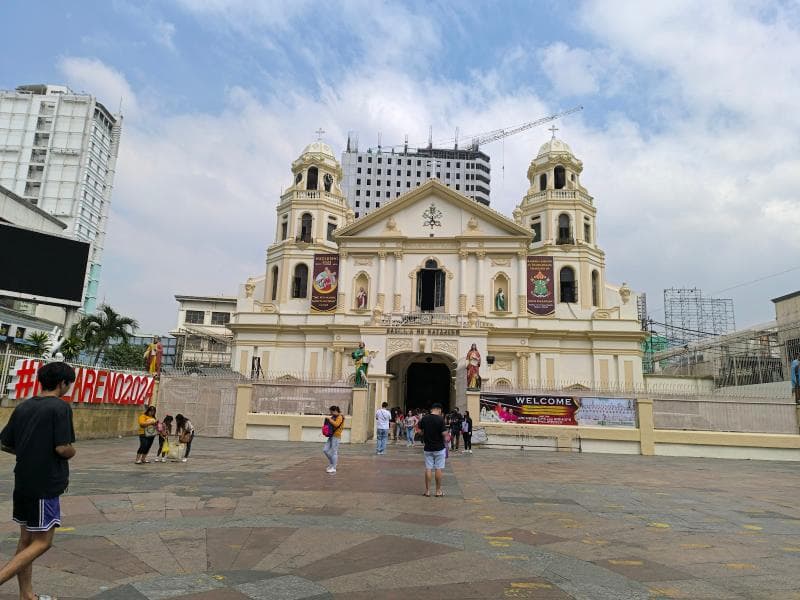
Discover Quiapo Church in Manila, Philippines, home to the miraculous Black Nazarene. Explore its rich history, cultural significance, and vibrant devotion.
Overview
Nestled in the bustling heart of Manila, Philippines, Quiapo Church, officially known as the Minor Basilica and National Shrine of Jesus Nazareno, stands as a vibrant testament to faith, history, and Filipino culture. This revered Roman Catholic church, also canonically recognized as the Parish of Saint John the Baptist, is most famously the home of the Black Nazarene, a deeply venerated dark wooden statue of Jesus Christ carrying the cross. It is more than just a place of worship; it is a cultural landmark and a spiritual epicenter that draws millions of pilgrims and curious travelers alike, making the surrounding Quiapo district a dynamic hub often considered the 'old center of Manila'.
History & Cultural Background
The origins of Quiapo Church trace back to 1588 when Franciscan missionaries constructed the first church using simple bamboo and nipa materials. It was dedicated to the Sweetest Name of Jesus and Saint John the Baptist. Over centuries, this sacred site has displayed remarkable resilience, enduring numerous calamities such as devastating fires in 1603, 1791, and 1928, as well as a powerful earthquake in 1863. Each time, the church rose from its ashes, rebuilt and strengthened, with the current structure incorporating elements reflecting its layered past. National Artist Juan Nakpil notably contributed to its reconstruction after the 1928 fire.
A pivotal moment in the church's history was the arrival of its most precious relic, the Black Nazarene. This life-sized wooden sculpture, carved in Mexico, reached the Philippines in the early 1600s, with some accounts noting its arrival in 1606. The image was later transferred to Quiapo Church between 1767 and 1790, where its veneration rapidly grew. Recognizing its profound spiritual significance, Pope John Paul II declared Quiapo Church a Minor Basilica in 1987, acknowledging its vital role in fostering deep devotion to Jesus Christ and its contribution to Filipino religiosity. More recently, it was further recognized as the Archdiocesan Shrine of Jesus Nazareno in 2023 and the National Shrine of Jesus Nazareno in 2024.
What Makes It Special
The undeniable heart of Quiapo Church's appeal lies with the Black Nazarene. This dark wooden statue of Jesus Christ carrying the cross is believed by millions of devotees to possess miraculous healing powers, making the church a primary pilgrimage destination in the Philippines. The pinnacle of devotion is the annual Traslación procession on January 9th, where millions of barefoot devotees participate in a fervent display of faith, aiming to touch the sacred image. This event is a powerful and unforgettable spectacle of spiritual intensity.
Beyond its spiritual core, Quiapo Church offers a unique blend of Spanish colonial Catholic traditions infused with distinct local Filipino practices. The church is central to a bustling urban landscape, with Plaza Miranda directly in front. The surrounding streets are a lively maze of vendors selling an array of items, from religious artifacts and herbal remedies to folk cures and local delicacies, creating an immersive cultural tapestry that reflects Manila's vibrant energy.
Stories, Fun Facts & Local Details
The name 'Quiapo' itself has local roots, deriving from 'Kiapo,' a species of water lily that once thrived in the district's waterways. One of the more intriguing aspects of the area surrounding the church is the presence of fortune tellers and faith healers, whose practices represent a fascinating blend of traditional folk spirituality and Catholicism. Fridays hold special significance for devotees, with novena services drawing large crowds throughout the day. Visitors may witness some worshippers moving on their knees towards the altar, a profound act of penance and devotion. A unique local tradition is the clapping of hands by devotees after Mass, a collective gesture of homage and reverence for the Black Nazarene.
Perhaps the most compelling story is that of the Black Nazarene itself. The revered image has miraculously survived multiple fires, earthquakes, and bombings that have destroyed the church structures around it over the centuries. This remarkable resilience has only deepened the faith of its devotees, who see it as a symbol of divine protection.
Visitor Perspective
Quiapo Church is open daily, and admission is free, welcoming everyone to experience its spiritual ambiance. Its central location in Manila makes it easily accessible by various modes of transport, including taxis and public transportation, with the Carriedo Light Rail Transit (LRT) station just a short walk away. While generally open, it's advisable to check for specific schedules for masses and events, particularly if you wish to avoid the intense crowds. Fridays, for instance, are special days for devotion and can be particularly busy. If you prefer a quieter experience, weekdays and early mornings are generally less crowded.
Visitors are encouraged to observe respectful behavior and modest dress within the church premises. Photography is often permitted, but it's important to be sensitive, especially during religious services and private prayers; flash photography is generally forbidden inside the building. Given the bustling urban environment of the Quiapo district, it's also wise to remain aware of your surroundings and secure your personal belongings. A visit to Quiapo Church offers a profound glimpse into the heart of Filipino spirituality and a bustling facet of Manila's rich cultural life.
Coordinates: 120.983699, 14.598838
View on Google Maps💬 How Travelers Describe This Place
Based on community votes
Beautiful
963Unique
723Photogenic
482Must See
463Interesting
274
Traveler Stories
Discover memorable experiences shared by travelers who have visited this place.
No traveler stories yet.
Be the first traveler to share what made this place memorable.
Things to see at Quiapo Church



Tour
By
Spot
Discover amazing places around the world. Your journey starts here.
Explore
© 2026 TourBySpot. All rights reserved.