Procession Routes
Manila, Philippines
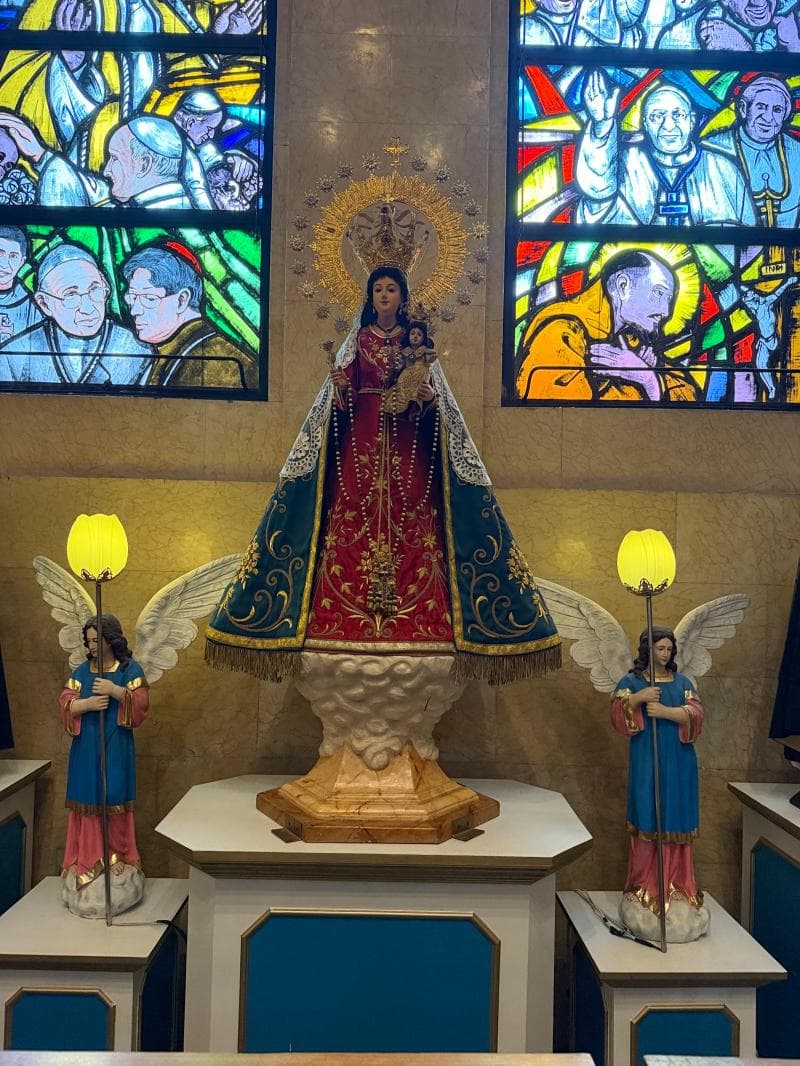
Explore the Procession Routes of the Black Nazarene at Quiapo Church, Manila, Philippines. Discover the history and cultural significance of this iconic spiritual journey.
Overview
The 'Procession Routes' within and around Quiapo Church in Manila, Philippines, primarily refer to the solemn and fervent paths taken during the annual Traslacion of the Black Nazarene. This monumental religious event, celebrated every January 9, is one of the largest Catholic gatherings in the world, drawing millions of devotees to the streets of Manila. The procession is a reenactment of the transfer of the revered Black Nazarene image, a life-sized dark wooden statue of Jesus Christ carrying the cross, from its historical origins to its present home in Quiapo Church. More than just a parade, it is a profound expression of faith, cultural heritage, and deep-seated devotion that transforms the urban landscape into a sea of maroon and yellow, reflecting the passion and humility of its participants.
Starting traditionally from the Quirino Grandstand in Rizal Park, the route snakes through approximately 6.5 kilometers of Manila's bustling thoroughfares, culminating at the Minor Basilica and National Shrine of Jesus Nazareno, more commonly known as Quiapo Church. This journey, steeped in centuries of tradition, can last for many arduous hours, sometimes extending over 20 hours, as devotees guide the sacred image on its carriage through the immense crowd.
History & Cultural Background
The story of the Black Nazarene began in 1606 when Augustinian Recollect missionaries brought the statue from Mexico to the Philippines. Carved from dark wood, the image depicts Jesus Christ burdened by the cross, a powerful representation that deeply resonates with the struggles and resilience of the Filipino people. Local lore suggests its dark complexion is either due to the original wood or that it miraculously survived a fire during its sea voyage to Manila, further solidifying its mystical significance among believers.
The term 'Traslacion' itself, derived from the Spanish word for 'transfer' or 'movement,' commemorates the historic relocation of the image. The first official transfer to Quiapo Church occurred between 1767 and 1787, making the image more accessible to the burgeoning number of devotees. Over the centuries, devotion to the Black Nazarene grew exponentially, with the Catholic Church, under Pope Innocent X, recognizing the 'cofradia' (brotherhood) dedicated to it as early as 1650. The modern extensive procession route, starting from Quirino Grandstand, was established in 2006 to mark the 400th anniversary of the image's arrival, symbolically retracing its journey from Bagumbayan (now part of Rizal Park) to Intramuros and finally to Quiapo.
What Makes It Special
The Procession Routes of the Black Nazarene are unique due to the unparalleled fervor and massive scale of participation. Millions of devotees, many walking barefoot, converge to join the 'andas,' the carriage bearing the statue, believing in its miraculous powers to heal and grant petitions. This act of walking barefoot symbolizes humility and penance, allowing participants to share in Christ's suffering.
A central, defining ritual is the attempt to touch the image directly, or to wipe it with a cloth or towel. Devotees often throw handkerchiefs to the 'Hijos del Señor Nazareno' (Sons of the Black Nazarene), who are marshals on the carriage, to wipe the statue with the cloth before tossing it back to the crowd. It is widely believed that this physical contact imparts blessings, healing, and the miraculous power of the Nazarene. This collective act of faith creates an electrifying atmosphere, transforming the challenging journey into a deeply personal and communal spiritual experience.
Stories, Fun Facts & Local Details
The procession begins early in the morning, often around 4:30 AM, following a midnight High Mass at Quirino Grandstand. The route is meticulously planned, but the sheer volume of people often extends its duration far beyond initial estimates. While winding through Manila's streets, the 'andas' traditionally makes a significant stop at San Sebastian Church. Here, the 'Dungaw' ritual occurs, a poignant moment where the Black Nazarene image 'looks out' to meet the image of Our Lady of Mount Carmel, symbolizing a spiritual encounter.
For many, participation is a 'panata' or sacred vow, often passed down through generations, made in gratitude for answered prayers or in hope of future blessings. The Black Nazarene image is typically enshrined above the main altar of Quiapo Church and is brought out for public veneration three times a year: for the January 9 Traslacion, on Good Friday, and on December 31 to commence the novena leading to the feast day. The longest Traslacion in recent memory lasted a staggering 30 hours in 2026, a testament to the unwavering devotion and sheer numbers of participants.
Visitor Perspective
For any curious traveler, observing the Procession Routes of the Black Nazarene offers an unparalleled window into the heart of Filipino spirituality and cultural identity. While the experience is undoubtedly intense and can be overwhelming due to the massive crowds, it provides profound insight into a faith that endures and thrives. Witnessing the palpable devotion, the cries of 'Viva Señor!' (Long live Lord!), and the collective suffering and triumph of the devotees is a moving spectacle unlike any other. It's a powerful reminder of how faith can unify millions, creating a shared experience of hope, gratitude, and communal resilience in the face of life's challenges. Even for those who do not share the same beliefs, the sheer human drama and cultural significance of the Traslacion are undeniably impactful.
Coordinates: 120.9837, 14.5988
View on Google Maps💬 How Travelers Describe This Place
Based on community votes
Photogenic
989Must See
791Interesting
613Beautiful
514Unique
207
Traveler Stories
Discover memorable experiences shared by travelers who have visited this place.
No traveler stories yet.
Be the first traveler to share what made this place memorable.

Tour
By
Spot
Discover amazing places around the world. Your journey starts here.
Explore
© 2026 TourBySpot. All rights reserved.