Black Nazarene Shrine
Manila, Philippines
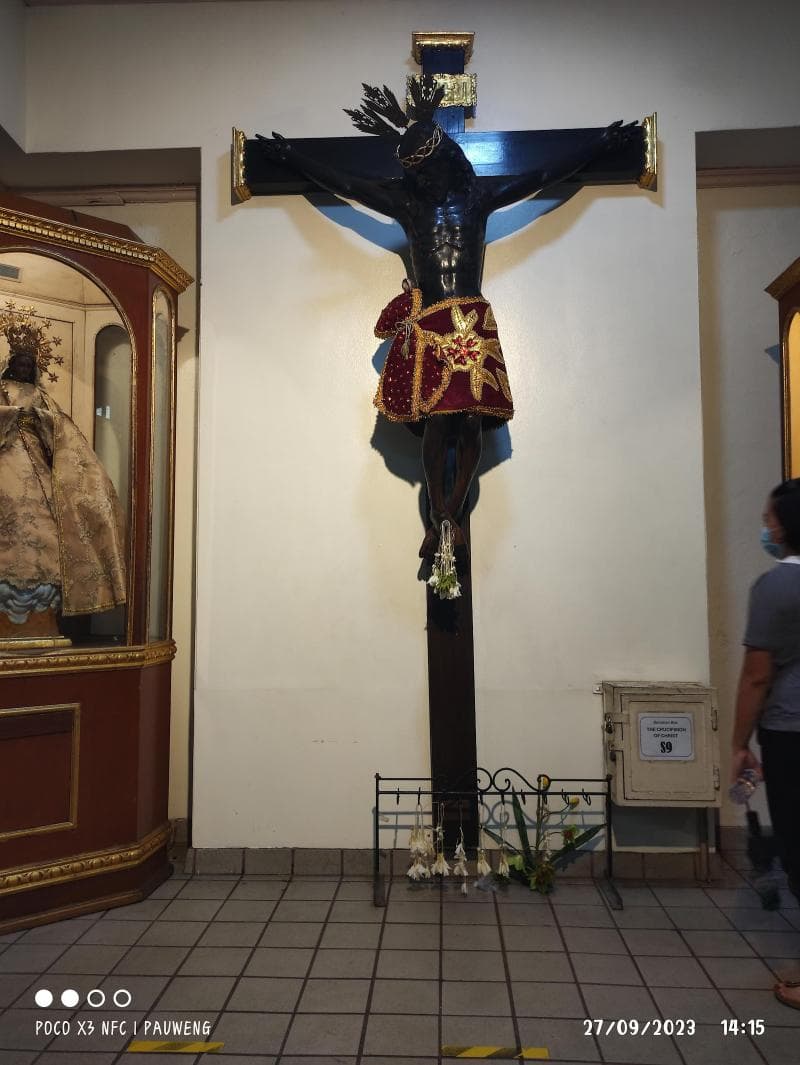
Discover the Black Nazarene Shrine inside Quiapo Church, Manila, Philippines – a powerful symbol of faith, history, and miracles. Learn about its origins and the annual Traslación.
Overview
Deep within the bustling heart of Manila, Philippines, stands the revered Black Nazarene Shrine, nestled within the historic Quiapo Church, officially known as the Minor Basilica and National Shrine of Jesus Nazareno. This sacred space is home to the profoundly venerated image of the Black Nazarene, a life-sized, dark-skinned statue of Jesus Christ carrying the cross. It serves as a spiritual beacon, drawing millions of devotees from across the archipelago and beyond, particularly during its renowned annual procession.
The shrine is not merely a place of worship; it is a vibrant center of Filipino Catholic faith, where centuries-old traditions intertwine with the daily lives of the city. Visitors will encounter an atmosphere charged with fervent devotion, especially on Fridays, which are considered special days for prayers and novenas. The Black Nazarene embodies a unique blend of historical significance, cultural identity, and profound spirituality, offering a compelling glimpse into the soul of the Filipino people.
History & Cultural Background
The journey of the Black Nazarene image to the Philippines began on May 31, 1606, when it arrived in Manila from Acapulco, Mexico, brought by Augustinian Recollect friars. Carved by an anonymous Mexican sculptor, the statue depicts Christ in a maroon robe, one knee on the ground, carrying the cross on his right shoulder, an expression of agony on his face as he looks heavenward.
Its distinctive dark complexion has given rise to several theories. Some believe it was carved from naturally dark mesquite wood. Others suggest the image was charred black in a ship fire during its voyage across the Pacific, a miraculous survival that only deepened its mystique and reputation for miracles. The image has endured numerous calamities, including fires, earthquakes, and the destruction of World War II, further solidifying its sacred status among devotees.
Initially enshrined in the Church of San Juan Bautista in Bagumbayan (now Rizal Park), the image was transferred to Quiapo Church in 1787 at the request of then-Archbishop Basilio Sancho de Santa Justa. This historic transfer is commemorated annually through the grand procession known as the Traslación.
What Makes It Special
The Black Nazarene Shrine stands out due to the extraordinary and passionate devotion it inspires. The image itself, Nuestro Padre Jesus Nazareno, is revered by millions of Filipinos who believe it possesses miraculous healing powers and can grant prayers. This belief fosters a deep personal connection, where Christ's suffering, as depicted in the statue, resonates profoundly with the struggles and endurance characteristic of Filipino life.
The venerated image has survived centuries of natural disasters and conflicts. While the exact condition of the original wood has been subject to various accounts, it is known that in the 1990s, the original head of the image was preserved and permanently enshrined on the basilica's main altar. The body used for processions is the original body, refurbished with a replica of the head, ensuring the continuity of the physical representation for public veneration.
The cultural significance extends beyond religious piety, blending Spanish colonial Catholic traditions with indigenous Filipino practices. The Black Nazarene has become a powerful symbol of hope and resilience, embodying the enduring faith of a nation.
Stories, Fun Facts & Local Details
The Feast of the Black Nazarene on January 9th is arguably the largest and most intense religious event in the Philippines, drawing millions of barefoot devotees in the Traslación procession. Participants, many wearing maroon and yellow, will brave immense crowds, attempting to touch the ropes of the carriage (andas) or the image itself with handkerchiefs, believing this act transfers blessings and facilitates miracles.
This arduous procession can last for many hours, sometimes extending over 20 hours, as it navigates the streets from Quirino Grandstand to Quiapo Church. It is a powerful display of 'panata,' a sacred vow or devotion often made in petition for healing, blessings, or in thanksgiving for prayers answered.
Beyond the annual feast, Fridays, especially the first Fridays of each month, see hundreds of thousands flock to Quiapo Church for special masses and novenas. The surrounding Quiapo district itself offers a vibrant tapestry of Filipino street life, with vendors selling herbal remedies, religious items, and amulets, reflecting the unique blend of Catholic and folk beliefs present in the local culture.
Visitor Perspective
For a curious traveler, visiting the Black Nazarene Shrine within Quiapo Church offers an unparalleled cultural experience. The church's architecture, though rebuilt multiple times due to past calamities, retains a historical charm, with its cream-colored façade, two belfries, and a grand dome. Inside, the atmosphere is intensely devotional, often filled with candlelight, quiet prayers, and a palpable sense of faith.
To truly appreciate the essence of the shrine, consider visiting on a Friday morning, which is a significant day for devotees but typically less crowded than the afternoon. While direct access to the main image might be limited for non-devotees, witnessing the profound acts of worship and observing the constant activity provides deep insight into Filipino spirituality. Exploring the vibrant Quiapo market nearby can further enrich your visit, offering a sensory overload of local sights, sounds, and flavors.
Coordinates: 120.9838, 14.5988
View on Google Maps💬 How Travelers Describe This Place
Based on community votes
Beautiful
934Must See
741Unique
276Interesting
30Photogenic
16
Traveler Stories
Discover memorable experiences shared by travelers who have visited this place.
No traveler stories yet.
Be the first traveler to share what made this place memorable.

Tour
By
Spot
Discover amazing places around the world. Your journey starts here.
Explore
© 2026 TourBySpot. All rights reserved.