Religious Souvenir Market
Manila, Philippines
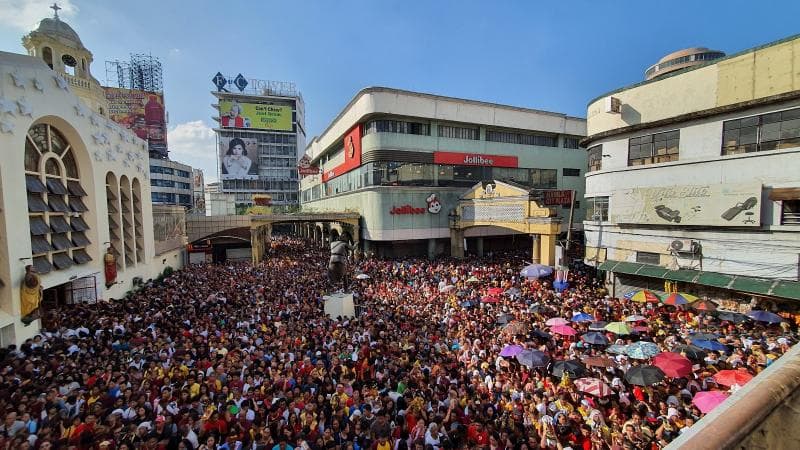
Explore the vibrant Religious Souvenir Market at Quiapo Church in Manila, Philippines. Discover its unique history, cultural significance, and diverse religious artifacts.
Overview
Nestled in the bustling heart of Manila, Philippines, the Religious Souvenir Market around Quiapo Church is more than just a place of commerce; it's a vibrant extension of Filipino spirituality and daily life. This multicolored marketplace thrives directly outside the Quiapo Church, officially known as the Minor Basilica of the Black Nazarene, a revered sanctuary that houses a life-sized image of Christ carrying the cross. The market presents a sensory journey, brimming with an array of religious artifacts, traditional herbal remedies, and local delicacies. It serves as a crucial hub where devout pilgrims and curious travelers alike can find spiritual accoutrements and a glimpse into the profound faith that permeates the district.
The market's energetic atmosphere is characterized by a dynamic exchange between vendors and customers, creating an unforgettable cultural tapestry. It’s a place where the sacred and the mundane seamlessly intertwine, offering everything from rosaries and medallions to statues of popular saints, reflecting the deep-rooted Catholic traditions of the Philippines.
History & Cultural Background
The district of Quiapo itself boasts a rich history, once a thriving fishing village named after the 'kiapo' or water lily abundant in its rivers. By the latter part of the 16th century, Quiapo had evolved into a bustling center of trade and commerce. A pivotal moment in its transformation was the permanent enshrinement of the Black Nazarene in Quiapo Church, an image brought to the country by Recollect Friars in the early 1600s. This iconic image rapidly became a focal point of intense devotion, significantly contributing to the area's economic growth and establishing it as a spiritual magnet.
The Quiapo Church building has undergone several reconstructions throughout its history due to devastating fires and earthquakes, with its current cream-colored structure dating back to 1933. Despite these challenges, the church has remained a steadfast beacon of faith and hope. The surrounding market, too, has grown organically over centuries, reflecting Manila's diverse heritage where Catholic traditions coexist with influences from Muslim and Chinese communities, underscoring its long-standing role as a trading hub. The profound devotion to the Black Nazarene directly fuels the demand for the religious articles sold here, creating a unique synergy between faith and commerce.
What Makes It Special
What truly sets the Religious Souvenir Market of Quiapo Church apart is its authentic convergence of fervent religiosity and lively commerce. It offers a unique window into Filipino spiritual practices, particularly the deep devotion surrounding the Black Nazarene. Many devotees visit the market before or after attending mass, purchasing items that they then have blessed by the officiating priest, integrating these articles into their personal spiritual journeys.
The market showcases an extensive collection of religious items, including various types of rosaries, intricately designed medallions, novena booklets, holy pictures, and plaster images or statues of revered figures like the Black Nazarene and the Santo Niño. These items are not merely souvenirs but are seen as tangible symbols of faith and channels for divine grace. The market exemplifies how the commodification of religious items in this context does not diminish their sacred value; instead, it actively contributes to and sustains lived Catholic piety among the faithful.
Stories, Fun Facts & Local Details
The market is steeped in local stories and traditions. A particularly significant event is the annual Feast of the Black Nazarene on January 9th, which draws millions of devotees from across the Philippines to Quiapo, transforming the area into an enormous pilgrimage site. Fridays are also highly significant, with thousands of faithful flocking to the church and its surrounding plaza for the Black Nazarene novena, often engaging in acts of devotion such as walking on their knees towards the altar.
Visitors will observe vendors passionately displaying their wares and engaging in good-natured competition to attract buyers. The act of bargaining is not just expected but is an integral part of the shopping experience here. Beyond religious items, the market also features stalls offering traditional herbal remedies, alternative therapies, and even the services of fortune-tellers and faith healers, adding to its mystical aura. Many items purchased, such as medallions or handkerchiefs bearing the image of the Black Nazarene, are considered particularly potent after being blessed by a priest, becoming cherished personal talismans.
Visitor Perspective
For any traveler exploring Manila, a visit to the Religious Souvenir Market and Quiapo Church is considered a must. It offers an unparalleled opportunity to experience the 'heart and soul' of Manila and gain insight into the deep spiritual and cultural fabric of the Filipino people.
While the area is easily accessible via public transportation like jeepneys or the MRT, visitors should be prepared for heavy traffic, especially during peak hours, and remain vigilant about their belongings in crowded spaces. To best navigate the bustling market and enjoy a more relaxed experience, it is often recommended to visit early on weekday mornings, typically between 8 to 10 AM, when crowds are thinner and vendors are fully stocked. When entering Quiapo Church, modest dress is encouraged as a sign of respect for the sacred space. The market's narrow alleyways and uneven surfaces can present accessibility challenges, so planning a visit during less crowded times might also benefit those with mobility concerns. Ultimately, this destination promises a raw, authentic, and profoundly immersive cultural experience.
Coordinates: 120.9837, 14.5988
View on Google Maps💬 How Travelers Describe This Place
Based on community votes
Interesting
879Photogenic
741Beautiful
482Unique
396Must See
274
Traveler Stories
Discover memorable experiences shared by travelers who have visited this place.
No traveler stories yet.
Be the first traveler to share what made this place memorable.

Tour
By
Spot
Discover amazing places around the world. Your journey starts here.
Explore
© 2026 TourBySpot. All rights reserved.