Devotional Candle Area
Manila, Philippines
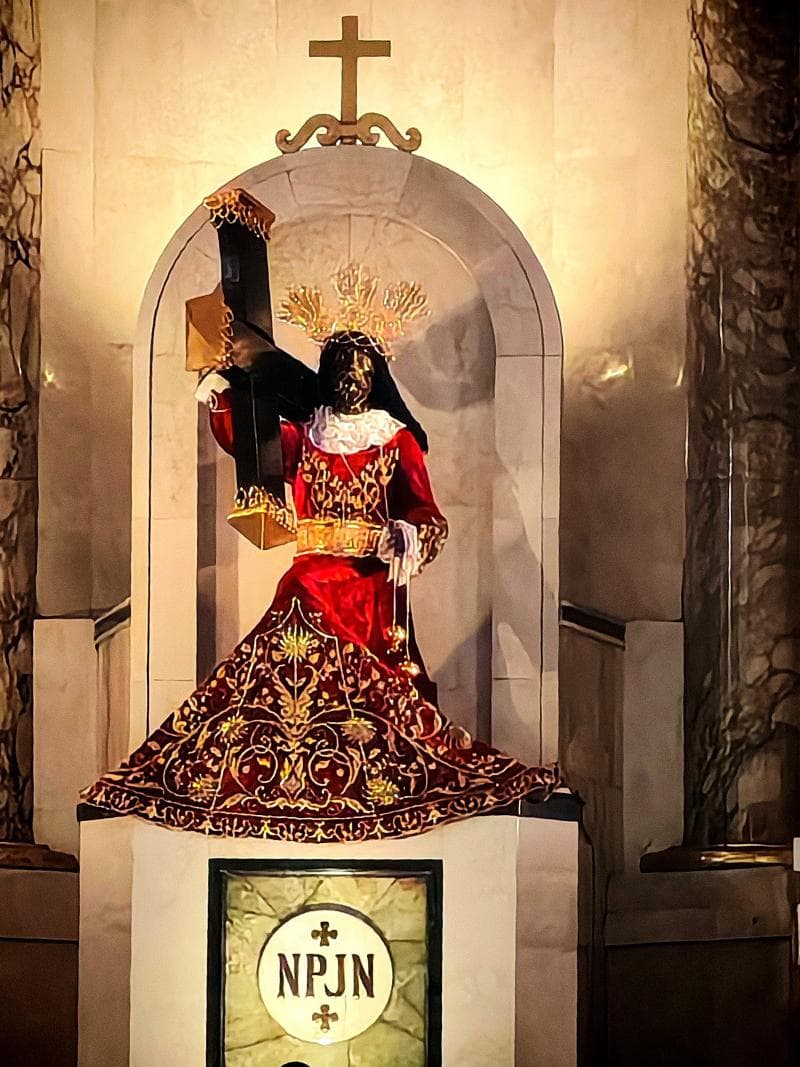
Discover the Devotional Candle Area at Quiapo Church in Manila, Philippines. Explore the cultural significance of colored candles and the fervent faith of devotees.
Overview
Nestled in the bustling heart of Manila, within the revered Quiapo Church, lies the Devotional Candle Area, a vibrant and deeply spiritual space. This area is more than just a place to light candles; it is a profound expression of Filipino folk Catholicism, where faith, hope, and tradition converge. Devotees flock here daily, seeking solace, offering prayers, and expressing their heartfelt petitions through the ancient ritual of lighting colored candles. The atmosphere is charged with earnest devotion, a testament to the enduring spiritual fervor that defines Quiapo Church as a major pilgrimage destination in the Philippines.
The Devotional Candle Area is typically found just outside the main church structure, often along the bustling Carriedo street-side or within Plaza Miranda, making it easily accessible to visitors before or after they enter the Minor Basilica. Here, an array of vendors, known locally as 'tagatirik ng kandila', offer a spectrum of candles, each color imbued with specific meanings and intentions. This colorful display is a powerful visual representation of the diverse hopes and prayers carried by the faithful who come from all walks of life to seek divine intervention and blessings from the miraculous Black Nazarene.
History & Cultural Background
Quiapo Church, officially known as the Minor Basilica and National Shrine of Jesus Nazareno, holds a rich history dating back to its founding in 1588. Initially built with humble materials like bamboo and nipa, it was dedicated to Saint John the Baptist. Over centuries, the church faced numerous trials, including fires, earthquakes, and invasions, necessitating multiple reconstructions. Its most significant transformation came with the enshrinement of the Black Nazarene, a dark-skinned, life-sized wooden sculpture of Jesus Christ carrying the cross, brought from Mexico in 1606. This revered image, believed to possess miraculous powers, cemented Quiapo Church's status as a central hub of Catholic devotion in the Philippines.
The practice of lighting candles as a form of prayer and offering has deep roots within Catholic and Orthodox traditions, symbolizing light in the darkness and the illumination of the spirit. In the context of Quiapo, this tradition has evolved to incorporate local cultural nuances, particularly with the use of multi-colored candles for specific intentions. This fusion of traditional Catholic customs with indigenous practices reflects the unique character of Filipino religiosity, where expressions of faith are often tangible and deeply personal.
What Makes It Special
What sets the Devotional Candle Area apart is its profound blend of personal piety and communal expression. Unlike quiet, solemn candle stations found in some churches, this area is a dynamic space where the collective hopes and anxieties of a community are openly displayed. The array of colored candles, each selected with a specific prayer in mind, transforms a simple act into a deeply symbolic ritual. A devotee might light a green candle for prosperity, a pink one for love or health, or a blue one for career advancement and safe travels.
The vibrant energy is palpable, as supplicants engage in quiet prayer or heartfelt pleas, believing that the flickering flame extends their petitions and carries them heavenward. The presence of vendors who are knowledgeable about the meanings of each color adds to the unique experience, creating an interactive spiritual marketplace. It is a powerful example of how faith becomes a living, breathing part of daily life, intertwining with the city's pulse and providing a tangible outlet for spiritual aspirations.
Stories, Fun Facts & Local Details
One fascinating aspect of the Devotional Candle Area is the nuanced interpretation of candle colors. While red candles are commonly lit for good luck or family well-being, and green for financial matters, some less common colors carry intriguing specificities. For instance, a brown candle might be lit for good fortune, a peach one for success in studies or exams, and a violet one for material wealth.
Perhaps the most intriguing is the black candle, which some devotees light with the intention of 'knocking on someone's conscience.' While such practices might raise eyebrows, they highlight the diverse beliefs and the deeply personal nature of devotion found here, reflecting a rich tapestry of faith and folk tradition. The vendors themselves are an integral part of this landscape, often described as good-natured and ready to assist devotees in choosing the right candle for their needs.
The tradition of candle lighting in Quiapo is also linked to the Feast of Our Lady of the Candle, or La Candelaria, celebrated every February 2nd, where Catholics bring candles to be blessed by a priest. This historical connection underscores the long-standing significance of candles in Filipino Catholic practice.
Visitor Perspective
For visitors, approaching the Devotional Candle Area offers a truly immersive cultural and spiritual experience. It's an opportunity to witness a profound expression of faith that is both ancient and intensely contemporary. While the area is bustling, especially on Fridays—considered 'Quiapo Day' in honor of the Black Nazarene—and during the annual Traslación procession in January, weekdays and early mornings offer a calmer atmosphere for reflection.
Observing the faithful as they light their chosen candles, whisper prayers, and engage in this deeply personal ritual provides a unique window into the spiritual heart of Manila. It is recommended to approach the area with respect and an open mind, appreciating it as a sacred space for millions of Filipinos. While photography is generally allowed in public areas, it's always courteous to be mindful of those in prayer. Engaging with a candle vendor might also offer deeper insights into the specific meanings and stories behind the vibrant flames that dance outside the revered Quiapo Church.
Coordinates: 120.983699, 14.598838
View on Google Maps💬 How Travelers Describe This Place
Based on community votes
Interesting
791Photogenic
514Unique
457Beautiful
252Must See
19
Traveler Stories
Discover memorable experiences shared by travelers who have visited this place.
No traveler stories yet.
Be the first traveler to share what made this place memorable.

Tour
By
Spot
Discover amazing places around the world. Your journey starts here.
Explore
© 2026 TourBySpot. All rights reserved.