Prague Castle
Prague, Czech Republic
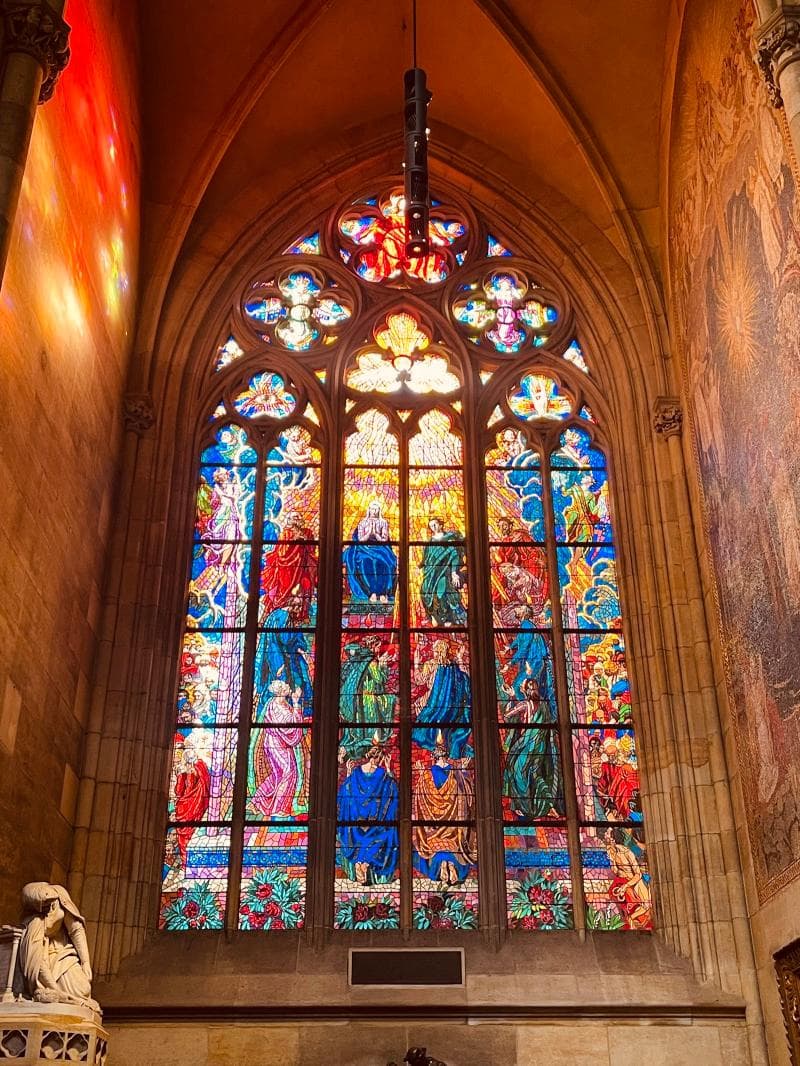
Explore Prague Castle, a UNESCO World Heritage site and the world's largest ancient castle complex in Prague, Czech Republic. Discover its history, architecture, and cultural significance.
Overview
Perched majestically above the Vltava River, Prague Castle in Prague, Czech Republic, stands as a sprawling complex of palaces, churches, gardens, and defensive towers. It is not merely a single building, but a monumental ensemble of architectural styles that chronicles over a millennium of history. Recognized by the Guinness Book of World Records as the largest coherent castle complex globally, it spans nearly 70,000 square meters, making it a truly immense and captivating destination. This UNESCO World Heritage site has served as the seat of power for Bohemian kings, Holy Roman emperors, Czechoslovakian presidents, and now the President of the Czech Republic. Visitors can explore its vast grounds, which are freely accessible, while numerous historical buildings within the complex require a ticket for entry.
History & Cultural Background
The origins of Prague Castle date back to around 880 AD, when Prince Bořivoj of the Přemyslid Dynasty laid its foundations. Over the centuries, it has continually evolved, reflecting the changing fortunes and artistic tastes of various rulers. The 10th century saw the construction of the first stone building, the Church of the Virgin Mary, and later the Romanesque Basilica of St. George. Emperor Charles IV, in the 14th century, transformed the castle into a magnificent Gothic residence, initiating the construction of the iconic St. Vitus Cathedral, a project that would span nearly six centuries. The 16th century brought Renaissance renovations under the Habsburg dynasty, followed by Baroque reconstructions in the 17th century after the Thirty Years' War. Significant renovations also occurred in the early 20th century under Slovenian architect Josip Plečnik during the First Republic, and further restorations have continued since the Velvet Revolution. Prague Castle has been a silent witness to pivotal moments in Czech history, including the Third Defenestration of Prague in 1618, which ignited the Thirty Years' War, and the Velvet Revolution in 1989.
What Makes It Special
Prague Castle's uniqueness lies in its extraordinary architectural tapestry, a blend of Romanesque, Gothic, Renaissance, and Baroque styles, showcasing a continuous evolution over more than a thousand years. It is a living monument where history is etched into every stone. The sheer scale and variety of its components are remarkable, integrating palaces, ecclesiastical buildings, gardens, and defense structures within one coherent complex. Unlike many other European castles, Prague Castle has maintained its function as a seat of power from medieval times to the present, making it a 'living heritage' site. Dominating the complex is St. Vitus Cathedral, a Gothic masterpiece featuring intricate stained glass windows, including the notable Art Nouveau window by Alphonse Mucha, and housing the tombs of Bohemian kings and saints. Another special feature is the Bohemian Crown Jewels, guarded in a hidden room within the castle, rarely displayed to the public.
Stories, Fun Facts & Local Details
Beyond its grand history, Prague Castle is rich in fascinating stories and local charm. One intriguing detail is the Golden Lane, a picturesque street of tiny, brightly colored houses once inhabited by goldsmiths, and famously, for a period, by Franz Kafka. These houses now host small shops and museums, offering a glimpse into a bygone era. The massive Vladislav Hall, part of the Old Royal Palace, was so vast that it was used for jousting tournaments and even allowed mounted knights to enter. The Changing of the Guard ceremony, a colorful spectacle with music, takes place daily at noon in the first courtyard, drawing crowds of visitors. The castle's gardens, particularly the South Gardens, offer breathtaking panoramic views of Prague, providing a tranquil escape. The Lobkowicz Palace, the only private family-owned palace within the complex, boasts an impressive art collection and offers musical concerts.
Visitor Perspective
Visiting Prague Castle is an immersive experience that requires ample time to truly appreciate its vastness and intricate details. While the castle grounds, courtyards, and some gardens are free to enter, accessing the interiors of key buildings like St. Vitus Cathedral, the Old Royal Palace, St. George's Basilica, and Golden Lane requires a ticket. It is highly recommended to allocate at least 3-5 hours for a comprehensive visit, or even a full day to explore thoroughly. To avoid the largest crowds, arriving early in the morning, right at opening time, or later in the afternoon is advisable. Spring and autumn offer pleasant weather and fewer visitors. Guided tours are available, offering deeper insights into the castle's history and architecture. The castle is easily accessible by public transport, including trams, with various entry points.
Coordinates: 14.4007, 50.0901
View on Google Maps💬 How Travelers Describe This Place
Based on community votes
Must See
996Unique
673Photogenic
186Beautiful
143Interesting
80
Traveler Stories
Discover memorable experiences shared by travelers who have visited this place.
No traveler stories yet.
Be the first traveler to share what made this place memorable.
Things to see at Prague Castle



Tour
By
Spot
Discover amazing places around the world. Your journey starts here.
Explore
© 2026 TourBySpot. All rights reserved.