Royal Gardens
Prague, Czech Republic
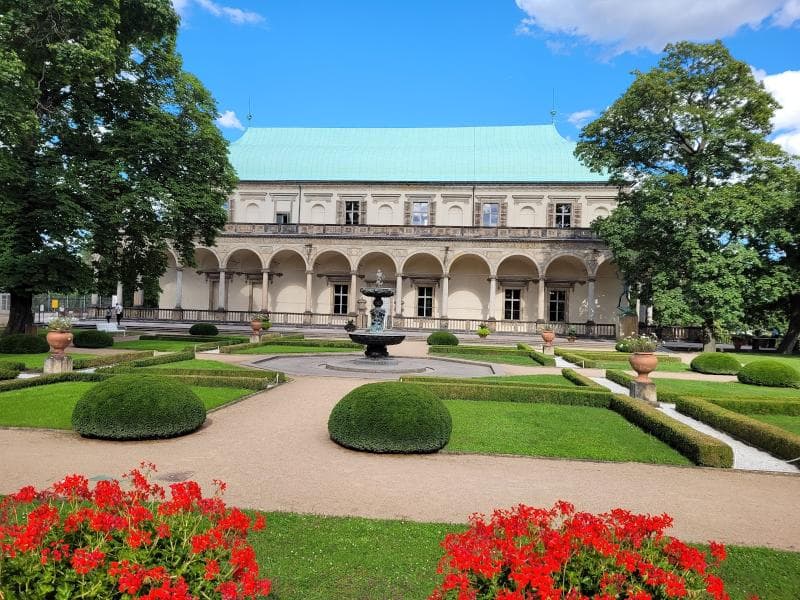
Explore the historic Royal Gardens of Prague Castle, Czech Republic. Discover Renaissance architecture, exotic plants, and serene pathways.
Overview
Nestled within the grand complex of Prague Castle, the Royal Garden, or Královská zahrada in Czech, offers a serene and historically rich escape in Prague, Czech Republic. This expansive green space, stretching along the northern side of the castle, provides a tranquil contrast to the bustling inner courtyards. It's a place where history intertwines with nature, featuring meticulously maintained lawns, vibrant flowerbeds, and significant architectural gems. Visitors can discover the elegance of the Queen Anne's Summer Palace, the intriguing Ball Game Hall, and the unique Singing Fountain, all set within a landscape that has evolved through Renaissance, Baroque, and English garden styles. It serves as a peaceful haven for leisurely strolls and quiet contemplation, inviting travelers to step back in time and appreciate centuries of royal cultivation.
History & Cultural Background
The story of the Royal Garden begins in 1534, when Emperor Ferdinand I of Habsburg initiated its creation. He systematically acquired medieval vineyards situated beyond the Brusnice stream to establish a magnificent Renaissance garden for the royal court. Inspired by Italian models, this early design aimed to showcase botanical rarities and exotic plants from distant lands, a true marvel for its time in Central Europe.
Over the centuries, the garden underwent several transformations, reflecting prevailing artistic and horticultural trends. While retaining elements of its Renaissance and Baroque past, its current form largely follows an English-style park design, introduced in the mid-19th century. This evolution has resulted in a harmonious blend of structured elegance and naturalistic beauty, making it a living testament to various historical periods. From its inception, the garden was conceived not just as a botanical collection, but also as a venue for courtly entertainment, housing structures like the Ball Game Hall and the exquisite Queen Anne's Summer Palace.
What Makes It Special
What truly sets the Royal Garden apart is its extraordinary blend of historical significance, architectural splendor, and horticultural diversity. It was one of the earliest Renaissance gardens north of the Alps, pioneering the introduction of exotic species to Bohemia, including the first tulips in Europe, gifted by the Ottoman sultan in 1554.
The Queen Anne's Summer Palace, also known as the Belvedere, stands as a prime example of Renaissance architecture, commissioned by Ferdinand I for his beloved wife. Its elegant design and intricate sgraffito decorations are a sight to behold. Nearby, the Ball Game Hall, originally built for courtly sports, captivates with its striking sgraffito allegories depicting the four elements, virtues, and sciences. Another enchanting feature is the Singing Fountain, a Renaissance masterpiece whose bronze basin, crafted by Tomáš Jaroš, produces a melodic sound as water droplets fall upon it, hence its poetic name. This combination of art, history, and nature creates a uniquely captivating atmosphere.
Stories, Fun Facts & Local Details
The Royal Garden holds many intriguing stories. Emperor Ferdinand I's dedication to his wife, Queen Anne Jagiellon, is palpable in the beautiful Summer Palace built in her honor, though sadly, she passed away before its completion. The garden also played a pivotal role in introducing new plant species to the region; maples, chestnut trees, and notably, the tulip, all made their debut in Bohemia within these royal grounds.
The Ball Game Hall's facade, adorned with detailed sgraffito, is a continuous work of art, requiring renewal approximately every twenty years to maintain its intricate beauty. Its varied history, serving as a riding school and even a military storehouse over time, adds layers to its story. The 'singing' quality of the fountain, an auditory delight, is a testament to the ingenious craftsmanship of its Renaissance creators. Perhaps one of the most significant modern-day details is that this beautiful garden, once exclusively a royal retreat and later part of the presidential residence, was only opened to the general public after 1990 under President Václav Havel, making it a more accessible treasure today.
Visitor Perspective
For the curious traveler, the Royal Garden offers a remarkably peaceful experience within the bustling Prague Castle complex. It's an ideal spot for a leisurely stroll, providing a quiet respite from the crowds and an opportunity to immerse oneself in beauty and history. The best time to visit is during spring and summer, when the garden bursts into full bloom, showcasing vibrant flowerbeds and lush greenery.
Entry to the Royal Garden is typically free, making it an accessible highlight for all visitors to Prague Castle. While exploring, you'll be treated to stunning views of the castle itself and the surrounding Hradčany district. The garden is seasonally open, usually from April 1 to October 31, so planning your visit accordingly is advisable to fully enjoy its charm and botanical displays. It's a place where you can wander along manicured pathways, discover hidden corners, and simply soak in the tranquil atmosphere that has enchanted royalty and visitors for centuries.
Coordinates: 14.3984, 50.0897
View on Google Maps💬 How Travelers Describe This Place
Based on community votes
Unique
551Beautiful
547Must See
336Interesting
298Photogenic
212
Traveler Stories
Discover memorable experiences shared by travelers who have visited this place.
No traveler stories yet.
Be the first traveler to share what made this place memorable.

Tour
By
Spot
Discover amazing places around the world. Your journey starts here.
Explore
© 2026 TourBySpot. All rights reserved.