Golden Lane
Prague, Czech Republic
Explore Golden Lane, a picturesque street of colorful miniature houses within Prague Castle, Czech Republic, rich in history, legends, and famous residents like Franz Kafka.
Overview
Tucked away within the majestic Prague Castle complex in Prague, Czech Republic, lies the enchanting Golden Lane, or 'Zlatá ulička' in Czech. This picturesque street, renowned for its row of miniature, brightly colored houses, offers a captivating journey back in time. It is a place where history whispers from every cobblestone and a fairytale-like charm permeates the air. Originally constructed in the 15th and 16th centuries, Golden Lane served various purposes throughout its long history, from housing royal guards and skilled artisans to sheltering some of Prague's less fortunate residents. Today, it stands as a unique open-air museum, inviting curious travelers to explore its tiny dwellings, which have been meticulously restored to showcase the lives of its past inhabitants, featuring historical exhibitions, artisan workshops, and charming souvenir shops.
History & Cultural Background
The origins of Golden Lane trace back to the late 15th century, following the construction of new northern fortifications for Prague Castle. It was in the 16th century, during the reign of Emperor Rudolf II, that the characteristic small houses began to take shape. These dwellings were initially built into the arches of the castle's defensive wall to accommodate the castle guards, particularly archers or marksmen, who were tasked with protecting the royal residence.
The lane's enduring name, 'Golden Lane,' is often linked to legends of alchemists attempting to transmute base metals into gold for Emperor Rudolf II. However, historical records suggest a more grounded origin: the street was more accurately known as 'Zlatnická ulička,' or 'Goldsmith's Lane,' due to the concentration of goldsmiths who resided and worked there in the 17th century.
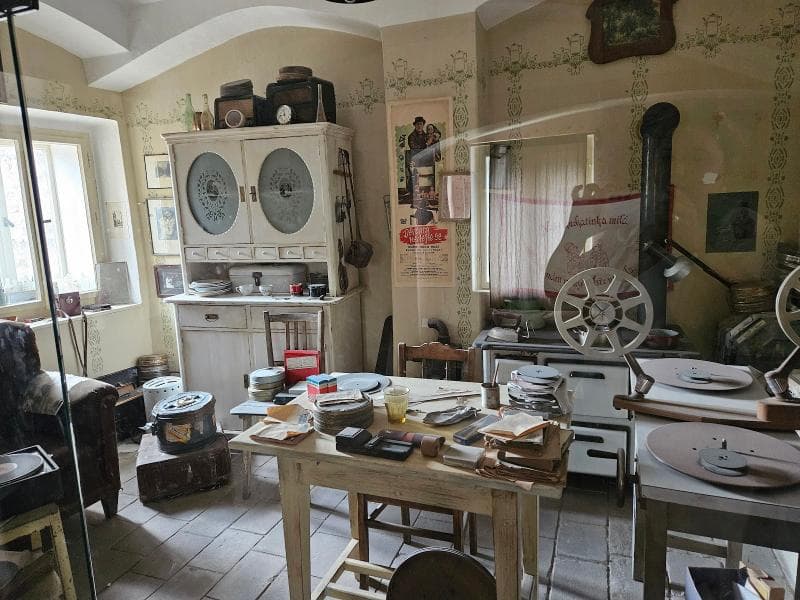
Over centuries, the demographics of Golden Lane evolved. After the initial castle guards and goldsmiths, the tiny homes became refuge for various artisans, servants, and eventually, some of Prague's poorer residents, who continued to live there until the mid-20th century. By the 19th century, houses on one side of the street were demolished, further shaping its current appearance. The last residents moved out in 1953, and a significant restoration project in the 1950s, guided by artist Jiří Trnka's designs, gave the houses their vibrant, pastel-colored facades that visitors admire today.
What Makes It Special
What truly sets Golden Lane apart is its unparalleled atmosphere, a whimsical blend of history and charm. The street's diminutive, brightly painted houses create a scene reminiscent of a storybook, making it one of Prague's most picturesque spots. Its unique architectural style, with homes built directly into the ancient castle walls, provides a tangible link to medieval life. Walking through this narrow alley, visitors gain an intimate understanding of how various social strata lived within the protective embrace of the castle complex.
The lane's ability to transport visitors back in time is enhanced by the meticulous historical exhibitions found within many of the houses. These displays vividly portray the daily lives, crafts, and professions of its former inhabitants, from humble artisans to castle employees. As an integral part of the larger Prague Castle complex, which is a UNESCO World Heritage Site, Golden Lane offers not just a visual treat, but a deep dive into the cultural and historical tapestry of the Czech Republic.
Stories, Fun Facts & Local Details
- The Alchemist Myth: While a romantic legend suggests alchemists once toiled here trying to turn lead into gold, and even the mystical art of alchemy was reportedly practiced during Rudolf II's reign, historians largely agree that goldsmiths were the primary residents, lending the lane its 'golden' name.
- Franz Kafka's Retreat: One of Golden Lane's most famous temporary residents was the renowned writer Franz Kafka. He lived in House No. 22, his sister's home, from 1916 to 1917, finding a quiet retreat where he worked on some of his short stories.
- Madame de Thebes, the Clairvoyant: House No. 14 was home to Matylda Průšová, also known as Madame de Thebes, a celebrated fortune teller before World War II. Tragically, she was arrested and killed by the Gestapo after reportedly predicting Adolf Hitler's demise.
- The Smallest Dwelling: You'll encounter incredibly compact houses, with one, often cited as House No. 12 or another, being considered one of Prague's smallest residential buildings, showcasing the ingenious use of space within the castle walls.
- Jiří Trnka's Touch: The iconic colorful facades of the houses today are not their original medieval hues, but rather a result of artistic designs by Czech puppeteer and illustrator Jiří Trnka during a renovation in the 1950s.
- Dalibor Tower: At the end of Golden Lane stands the formidable Daliborka Tower, which served as a prison, adding another layer of historical intrigue to the area. Its first famous prisoner was the knight Dalibor from Kozojed in 1498.
Visitor Perspective
A visit to Golden Lane is an essential part of the Prague Castle experience. To explore the lane and its captivating exhibitions during daytime operating hours, you will need a Prague Castle ticket. This ticket typically grants access to other significant sites within the complex, such as St. Vitus Cathedral and the Old Royal Palace.
For those seeking a more tranquil experience, consider visiting in the early morning or late evening. While the houses' interiors and shops may be closed, the street itself often offers free entry after the main castle interiors close, allowing for a quieter stroll and better photo opportunities away from the crowds. Inside the houses, you'll discover a variety of offerings, from authentic historical displays depicting medieval life and craftsmanship to modern souvenir shops selling traditional Czech goods. Don't miss the opportunity to explore the defensive wall above the lane, which houses exhibitions of medieval armor and weapons, and even a historic torture chamber.
Coordinates: 14.4038, 50.0918
View on Google Maps💬 How Travelers Describe This Place
Based on community votes
Unique
623Photogenic
545Interesting
343Beautiful
302Must See
88
Traveler Stories
Discover memorable experiences shared by travelers who have visited this place.
No traveler stories yet.
Be the first traveler to share what made this place memorable.

Tour
By
Spot
Discover amazing places around the world. Your journey starts here.
Explore
© 2026 TourBySpot. All rights reserved.