Panathenaic Stadium
Athens, Greece
Overview
The Panathenaic Stadium, known locally as Kallimarmaro, meaning 'beautiful marble,' is a monumental landmark situated in the heart of Athens, Greece. It stands as the sole stadium in the world constructed entirely from white Pentelic marble, the same illustrious stone used for the Parthenon. This iconic venue has witnessed centuries of history, from ancient athletic contests to the revival of the Modern Olympic Games. It is nestled between the verdant hills of Agra and Ardittos, east of the National Gardens, making it a prominent feature of Athens's cityscape.
Today, the Panathenaic Stadium is not merely an archaeological site but a vibrant, active monument. It continues to host significant events, including the ceremonial handover of the Olympic Flame to host nations and serving as the triumphant finish line for the annual Athens Classic Marathon. Visitors are welcomed to explore its historic grounds, run on the sacred track, and absorb the atmosphere of a place where athletic legends were born, bridging ancient Greek glory with contemporary sporting traditions.
History & Cultural Background
The origins of the Panathenaic Stadium trace back to a natural ravine where a simple racecourse existed as early as the 6th century BC. Around 330 BC, the Athenian statesman Lycurgus initiated the construction of a more formal stadium for the Panathenaic Games, a grand athletic and religious festival held every four years in honor of the goddess Athena. This early stadium had a rectangular shape typical of ancient Greek venues, with spectators sitting on earthen slopes.
A significant transformation occurred during the Roman era, between 140 and 144 AD. Herodes Atticus, a wealthy Athenian Roman senator, funded a lavish reconstruction, converting the stadium into a horseshoe shape and adorning it entirely with shimmering white Pentelic marble. This renovation vastly increased its capacity to approximately 50,000 spectators. Following the rise of Christianity and the banning of pagan festivals in the 4th century AD, the stadium was largely abandoned and fell into disuse. Its marble was even repurposed for other constructions.
Centuries later, archaeological excavations in the mid-19th century unearthed its ancient foundations. This revival culminated in the stadium's full restoration to host the inaugural Modern Olympic Games in 1896. This monumental effort was largely financed by the Greek benefactor George Averoff, whose statue now stands proudly at the entrance. Architects Anastasios Metaxas and Ernst Ziller oversaw the reconstruction, meticulously recreating the ancient monument while expanding its seating to accommodate up to 80,000 people.
What Makes It Special
The Panathenaic Stadium holds a truly unique place in history as the only stadium in the world built entirely from white Pentelic marble. Its glistening stands and track offer a breathtaking visual experience, unlike any other sporting arena. Beyond its material composition, its legacy as the venue for the first Modern Olympic Games in 1896 imbues it with unparalleled historical significance.
The stadium also boasts the distinction of being the oldest operating stadium globally, with its origins dating back over 2,352 years. It stands as a powerful symbol of the continuity of athletic ideals from antiquity to the present day. Its horseshoe design, a feature introduced during the Roman reconstruction, distinguishes it from the more rectangular shapes of earlier Greek stadia. Furthermore, its ongoing role in the Olympic Flame handover ceremony connects every subsequent Olympic Games to its ancient Greek roots, making it an indispensable part of the Olympic tradition.
Stories, Fun Facts & Local Details
Imagine the roar of 80,000 spectators as the first modern Olympians competed here in 1896, including the legendary Spyridon Louis crossing the finish line to win the marathon. The stadium's capacity reached 60,000 for those games, a testament to the grand scale of the event. Interestingly, this stadium also holds a world record for the largest attendance at a basketball game, with 70,000 fans watching a Greek team win a Cup Winners' Cup in 1968.
Hidden beneath the stands is a vaulted passageway, known as the 'diodos,' that dates back to antiquity. This tunnel was once used by ancient athletes and even gladiators in Roman times. It is believed to be the only original part of the ancient stadium preserved to this day, offering a fascinating glimpse into the past. Legend has it that the area around the stadium, particularly the natural ravine between the hills of Agra and Ardittos, was once home to the sacred Ilissos River, which flowed in front of the stadium until only a few decades ago. Today, visitors can experience a piece of this history by jogging on the track during designated morning hours.
Visitor Perspective
A visit to the Panathenaic Stadium offers a truly immersive journey through time. Upon entry, visitors receive an audio guide, available in multiple languages, which provides a comprehensive account of the stadium's rich history, from its ancient origins to its modern-day significance. This guided experience helps unlock the full story of the site, transforming seemingly simple marble benches into storied relics.
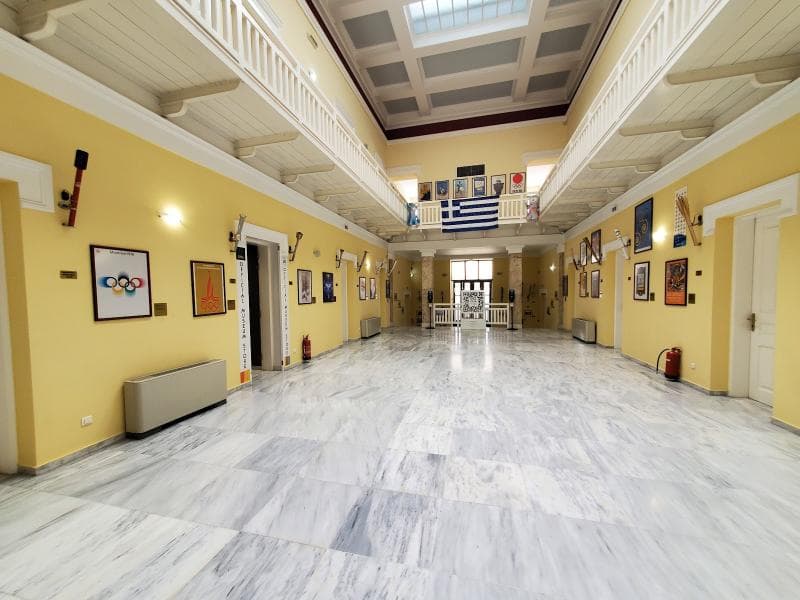
Travelers can walk onto the track where ancient and modern champions once ran, and even ascend the marble stands to take in panoramic views of the stadium and the surrounding Athens landscape. Don't miss the opportunity to stand on the winner's podium, recreating an iconic Olympic moment for a memorable photograph. Within the stadium, there is also a small museum showcasing a collection of Olympic torches and memorabilia from various Games throughout history. The stadium is conveniently located in downtown Athens, easily accessible by public transport or a short walk from key city landmarks. Visiting in the morning or late afternoon during warmer months is recommended to avoid the midday heat.
Coordinates: 23.740976, 37.968334
View on Google Maps💬 How Travelers Describe This Place
Based on community votes
Must See
872Beautiful
684Unique
363Interesting
250Photogenic
88
Traveler Stories
Discover memorable experiences shared by travelers who have visited this place.
No traveler stories yet.
Be the first traveler to share what made this place memorable.
Things to see at Panathenaic Stadium



Tour
By
Spot
Discover amazing places around the world. Your journey starts here.
Explore
© 2026 TourBySpot. All rights reserved.